Government & Public Sector Roofing in Salem, OR
Industries We ServeServing Salem and the central Willamette Valley
Request a Roof Assessment
Commercial roofing in Salem, Oregon
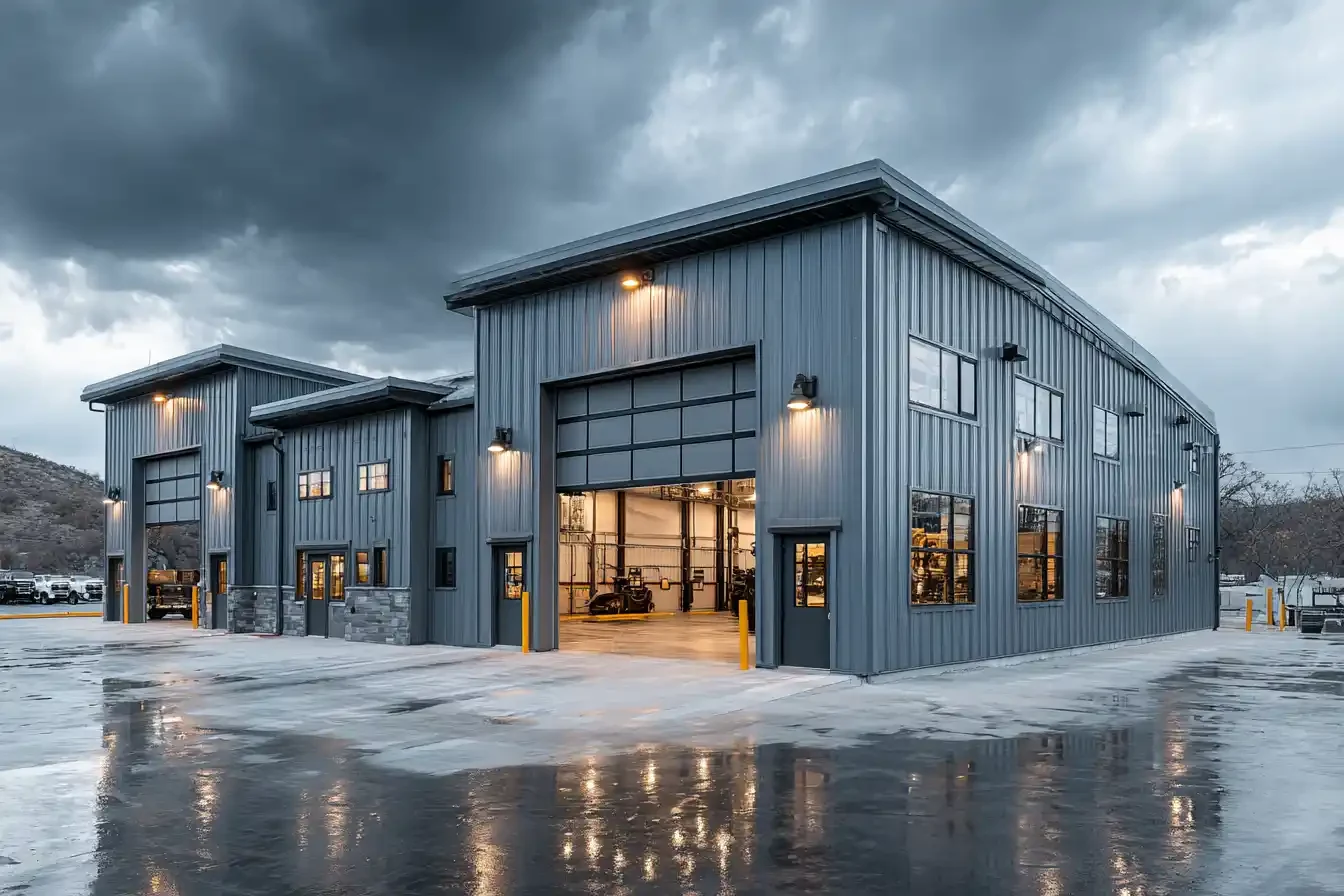

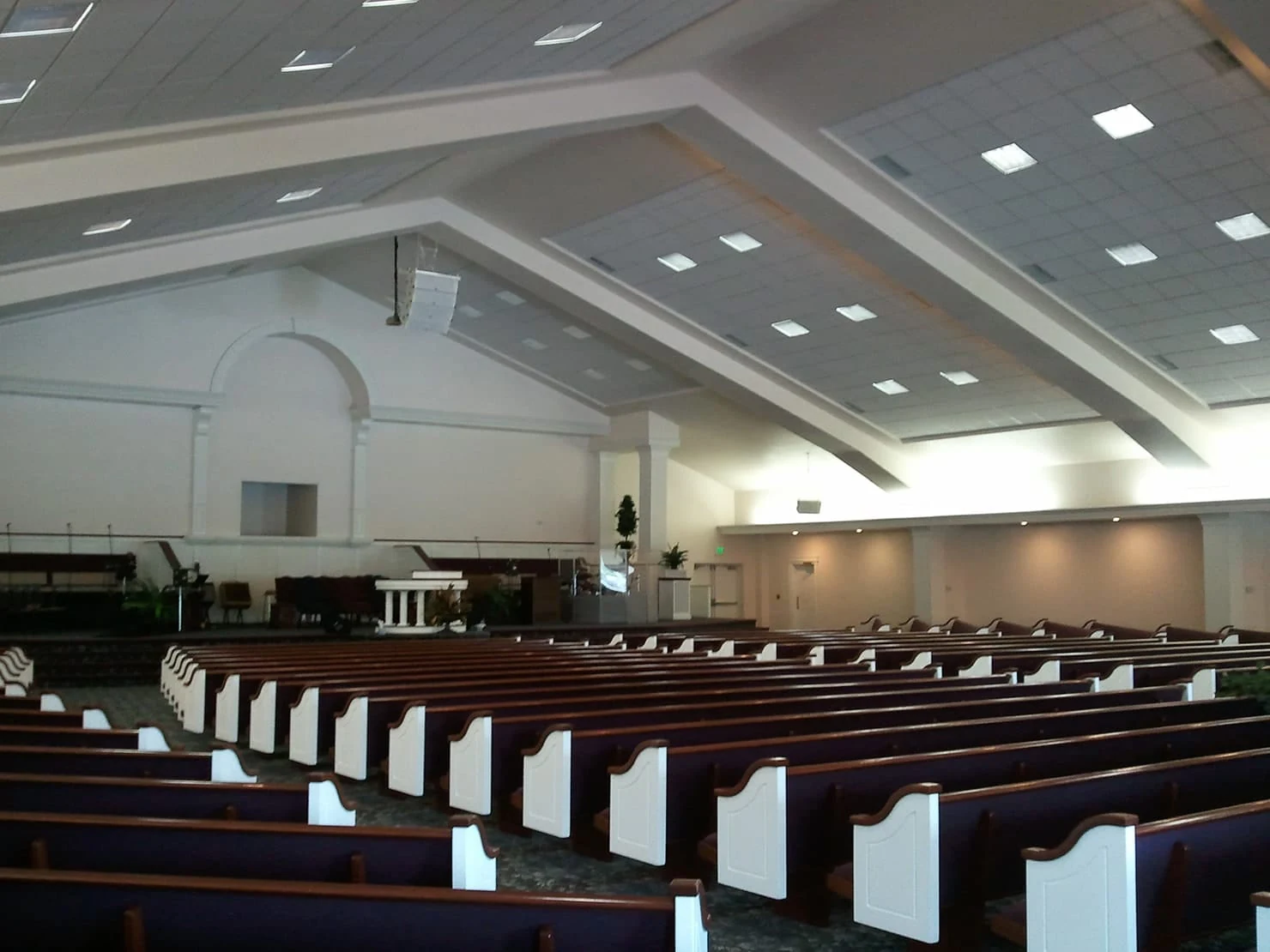
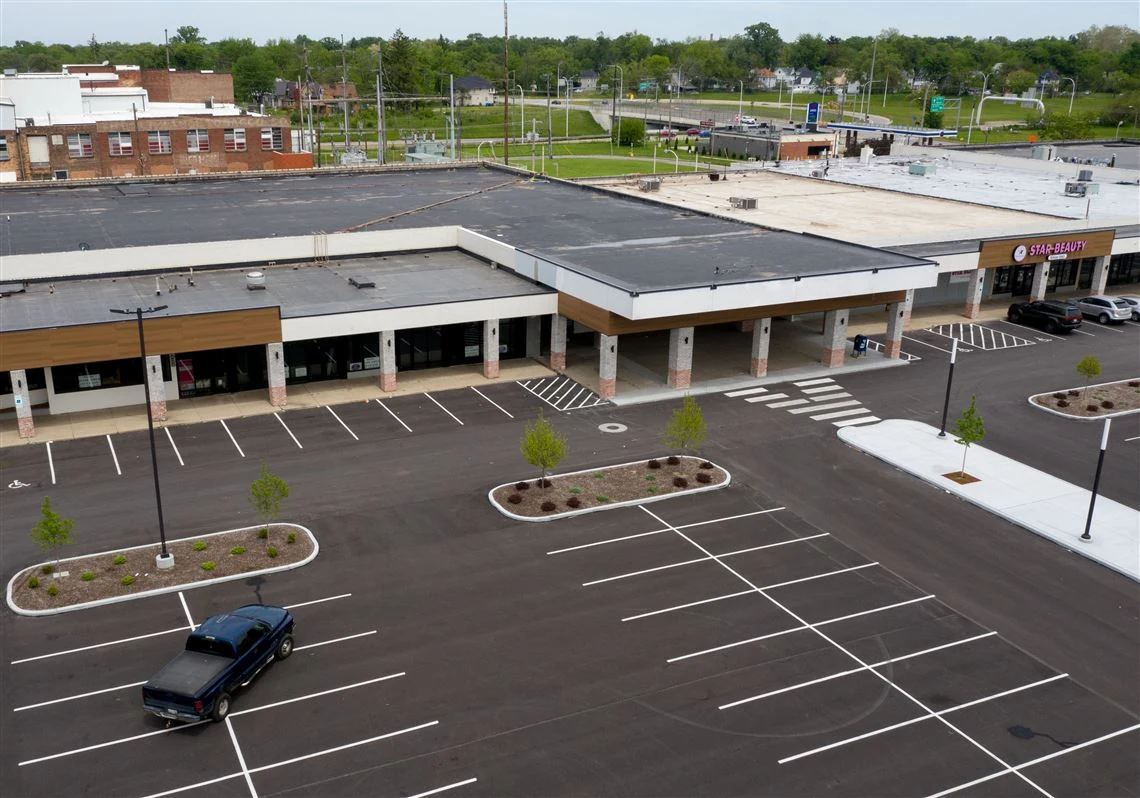
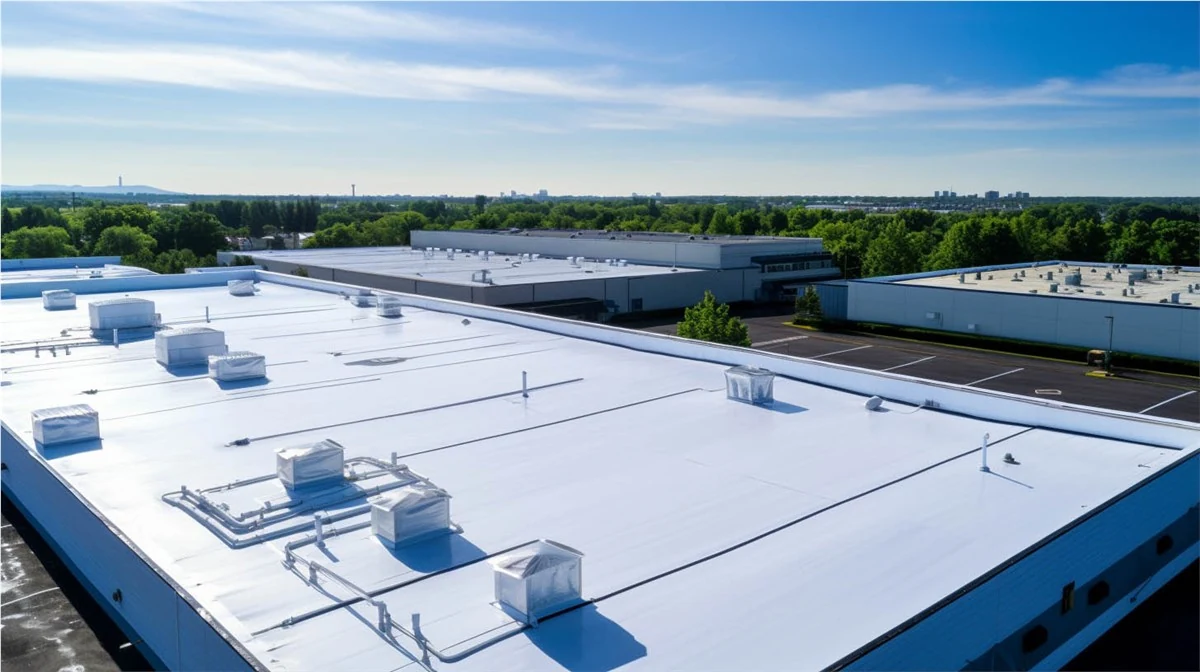
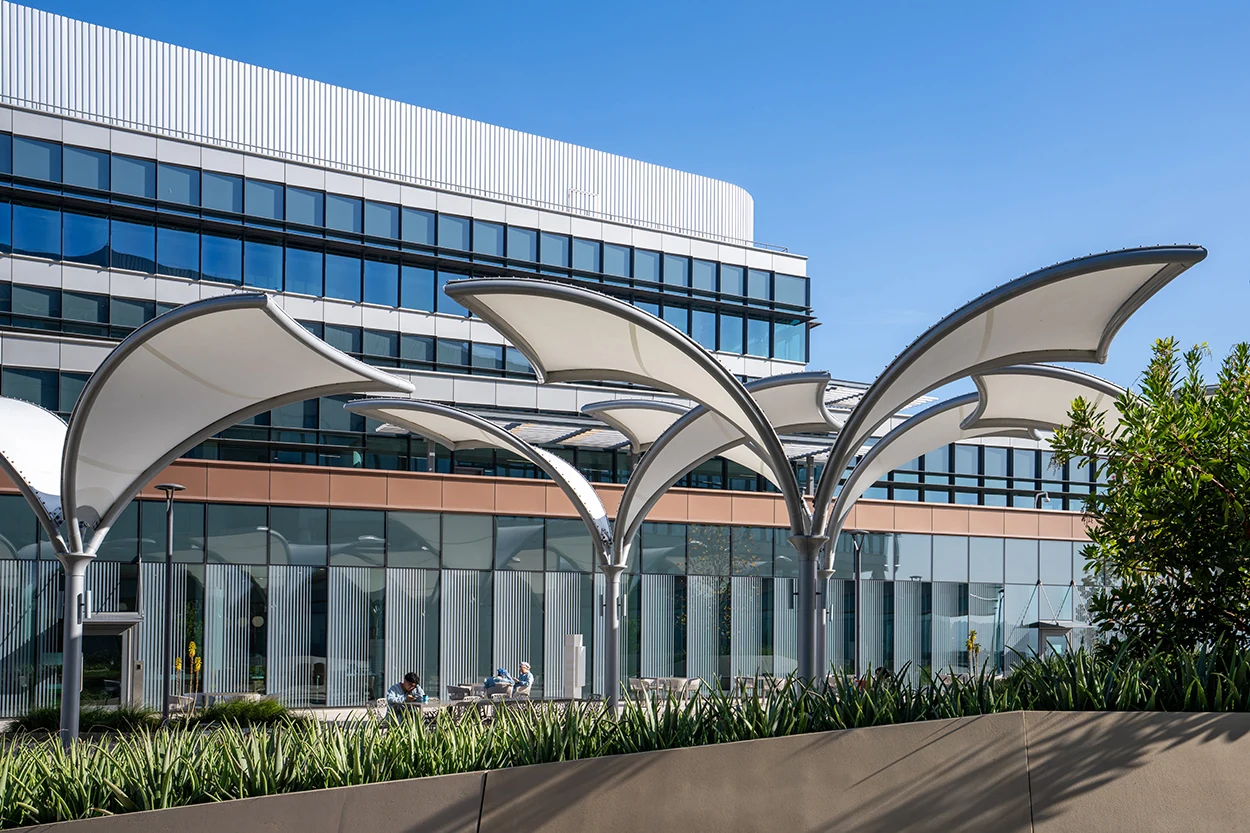
Roofing for Salem state agency buildings, county facilities, and courthouses, planned around procurement rules and public-sector budget cycles.
Commercial Roofing Assessment Framework
Document
Membrane and seams
Trace
Drainage and water paths
Review
Flashings and penetrations
Compare
Repair, recover, coating, replacement
Plan
Access, staging, weather protection
Protect
Occupants, equipment, and operations
Close Out
Photos, details, records, priorities
Government & Public Sector Roofing in Salem, OR: Roofing Detail
Roofing Decisions for State and County Buildings Near the Capitol
Salem's public building stock runs from Capitol campus office towers to county courthouses, DMV field offices, and agency warehouses strung along Center Street and Commercial Street SE. Facility managers in this world answer to budget committees and procurement rules that private landlords never deal with. We work inside that system rather than asking you to work around it.
Buildings Built for a Different Era
A lot of the agency and county roofs around downtown Salem are built-up or modified bitumen systems installed decades ago, patched repeatedly when capital budgets came up short of a full replacement. Some carry three or four layers of tar and gravel that nobody has fully documented. Before we recommend anything, we open the roof up in test areas and find out what is actually up there, not what the last work order says.
That matters for a public building because a wrong guess does not only cost money, it costs a budget cycle. If we spec a recover system over a deck that cannot support the added dead load, or miss a section of wet insulation under a low-slope EPDM field, the failure shows up in a council chamber or a courtroom, not a break room.
Older agency roofs around the Capitol campus also carry a mix of skylights, smoke hatches, and antenna mounts added piecemeal over the years by different tenants of the same building. Each addition is a separate flashing detail that may or may not have been done to code at the time, and we catalog every one during an assessment rather than assuming the original drawings still match what is on the roof today.
Capital Planning and the Procurement Calendar
State and county roof work usually moves on a biennium or fiscal-year budget, not a homeowner's timeline. We write our condition assessments and scope documents so they hold up in an RFP or a capital improvement plan, with enough detail on membrane type, insulation R-value, and drainage deficiencies that a purchasing office can act on them without a second consultant.
We have seen roof replacements get pushed a full cycle because the original scope was too vague for the bid to compare apples to apples. A clear scope with measured square footage, defined tear-off limits, and a stated warranty term saves a facilities director from re-bidding the job six months later.
Nine Wet Months Change the Maintenance Math
Willamette Valley rain runs from October through May most years, with the valley fog adding damp mornings even between storms. On a flat agency roof, that means membrane seams stay wet longer, drains clog with fir needles and cottonwood seed faster, and any standing water sits for days instead of evaporating off in an afternoon. Algae and moss growth on north-facing low-slope sections is common on buildings that go a few years between inspections.
Public buildings often defer roof maintenance because the money competes with staffing and other line items. The problem is that a roof deferred through two or three wet seasons stops being a maintenance item and becomes a capital emergency, usually discovered when water shows up in a records room or a server closet.
What a Facility Condition Report Should Actually Tell You
A useful roof report for a public building does more than say pass or fail. We build ours to answer the questions a budget committee will ask:
- Remaining service life in years, not only a condition score
- Which sections need immediate repair versus scheduled replacement
- Drainage deficiencies and their contribution to interior moisture complaints
- Rooftop equipment penetrations that void warranty coverage if left unaddressed
- A phased cost range tied to realistic bid timing, not a single lump figure
- Code and life-safety items, such as walkway pads to rooftop mechanical units
That format lets a facilities director hand the report straight to procurement or a bond committee without translation.
Scheduling Around Public Access and Operations
A courthouse in session, a DMV lobby with a line out the door, or an agency call center running through lunch cannot pause for roof work the way a warehouse can. We plan tear-off and material staging around public hours, keep loading and dumpster placement away from entrances people actually use, and contain dust and debris over occupied lobbies with the same seriousness we would use over a hospital corridor.
Noise matters too. Hot-applied modified bitumen work and mechanical fastening both carry sound into adjacent offices, so we sequence loud phases for times that do not collide with hearings, public meetings, or testing windows when we know about them in advance.
Questions Public Facility Managers Ask Us
Can you write a scope document we can attach directly to an RFP?
Yes. We provide measured drawings, material specifications, and a defined scope of work formatted for public bid packages, so your purchasing office is not left reworking our notes.
Do you work with agencies that require prevailing wage documentation?
We handle the paperwork that comes with public contracts, including certified payroll and compliance documentation your project requires.
How do you handle roofs with unknown layer history?
We cut test sections before writing a final scope, so the replacement plan is based on what the deck and insulation actually look like, not assumptions from old drawings.
Can work happen outside normal business hours?
For loud phases or areas near public-facing offices, we schedule around your operating hours where the project allows it, including early mornings or weekends for sensitive sections.
What happens if you find asbestos-containing roofing materials?
We stop and document the finding rather than proceeding, since older public buildings sometimes carry legacy materials that require a licensed abatement contractor before roof work continues.
Assessment Priorities
Membrane condition, seams, flashings, penetrations, drains, scuppers, edge metal, rooftop equipment, traffic patterns, and visible moisture evidence are reviewed together before a repair, coating, recover, or replacement path is recommended.
Planning Around the Facility
Access, staging, noise, odor, delivery windows, weather protection, occupied spaces, interior protection, and daily dry-in procedures are planned for the way the commercial property must continue operating.
From Findings to a Clear Scope
Observed conditions are documented so building owners and facility teams can compare immediate repairs, maintenance priorities, system options, budget timing, and closeout requirements without losing sight of the building below the deck.
Ready to review the roof scope?
Industries We Serve
1 of 2
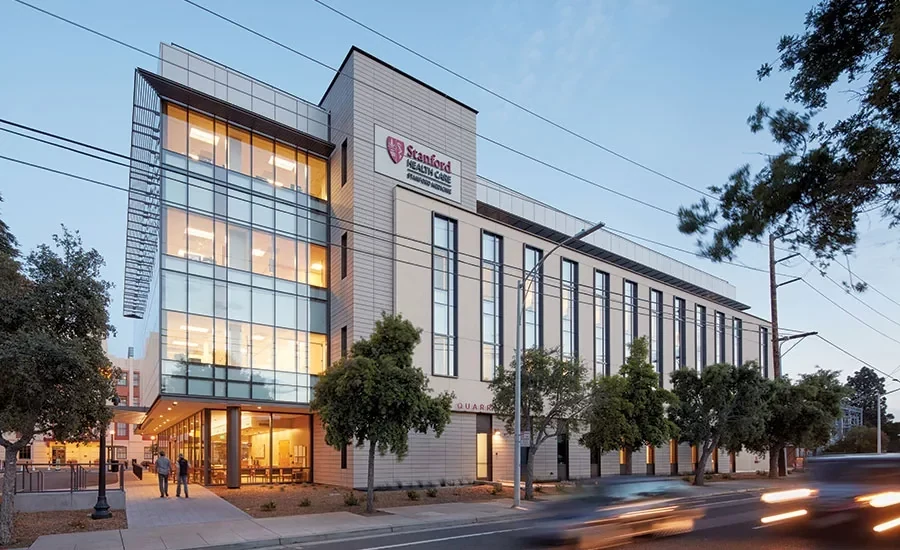
Commercial Roofing Across the Salem Area