Storm Damage & Insurance Roof Documentation in Salem, OR
Industries We ServeServing Salem and the central Willamette Valley
Request a Roof Assessment
Commercial roofing in Salem, Oregon
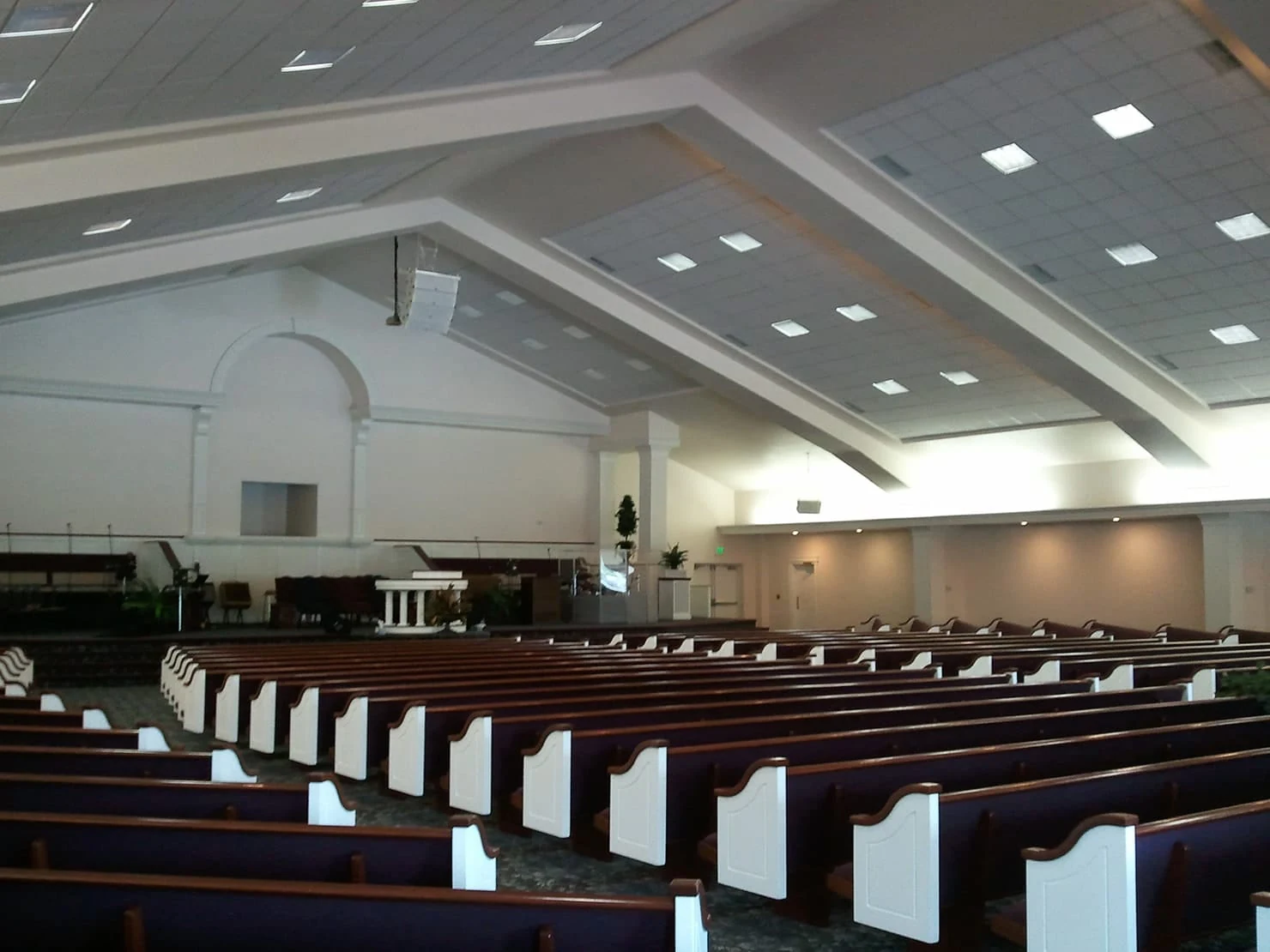
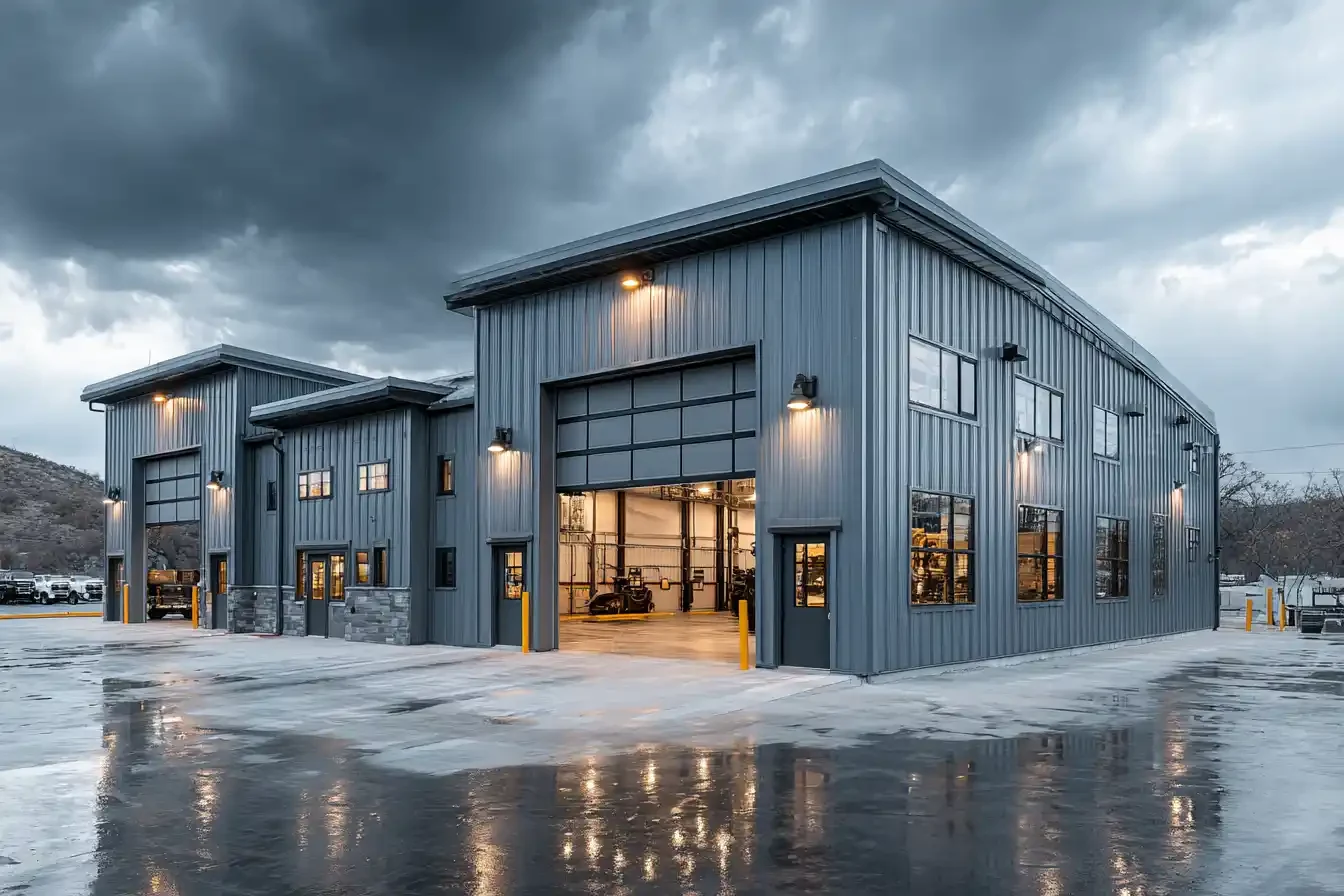
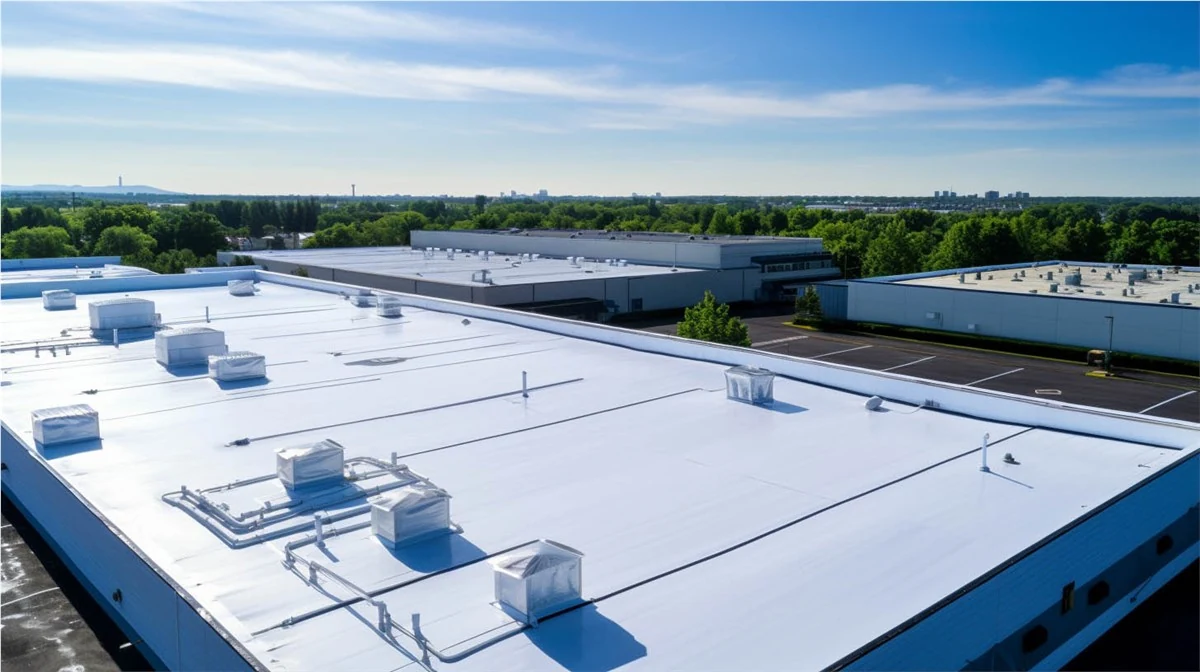
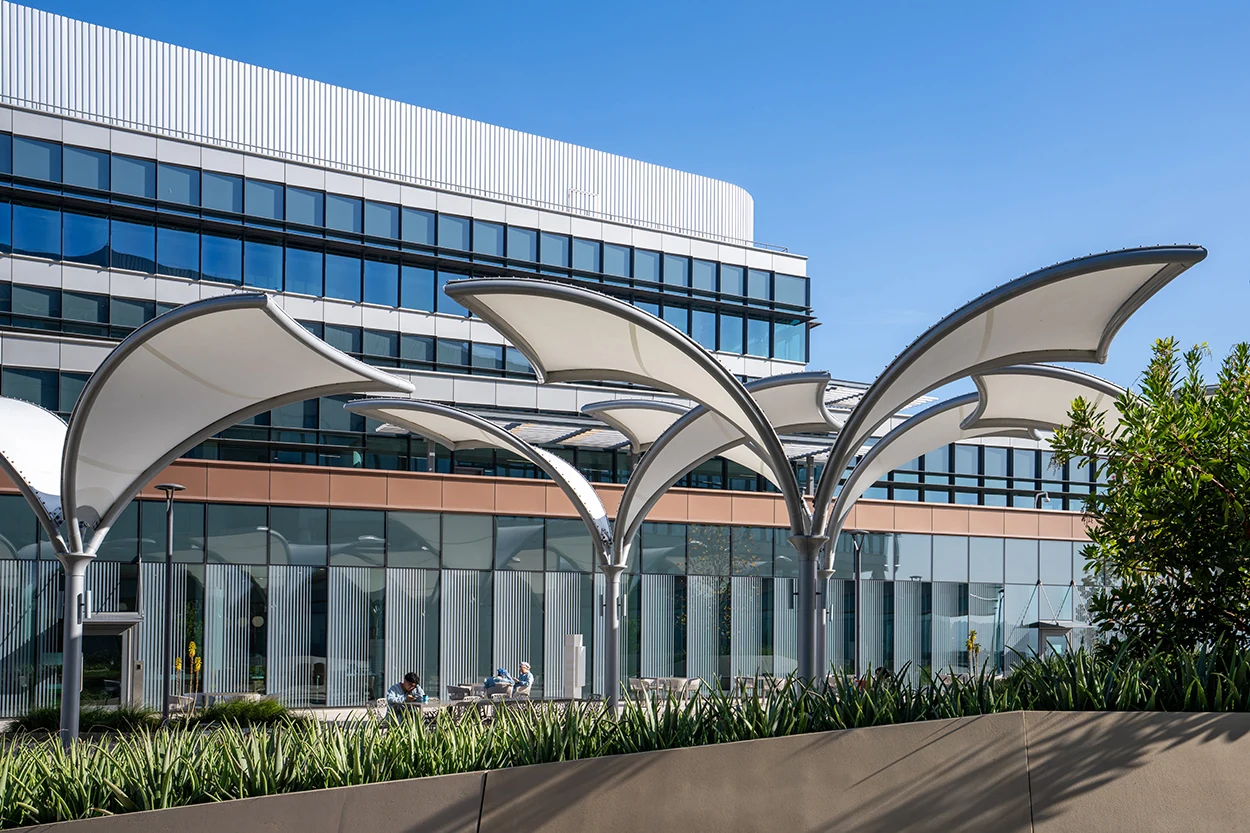
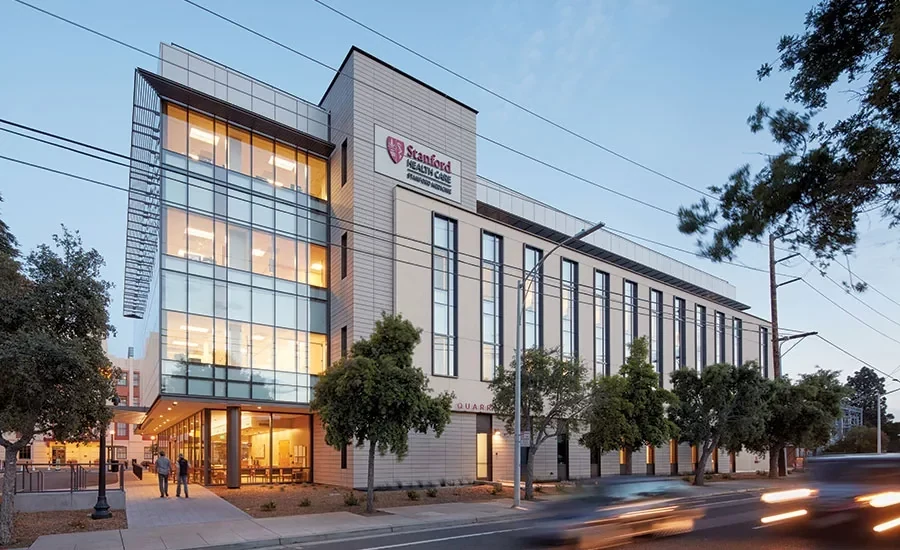
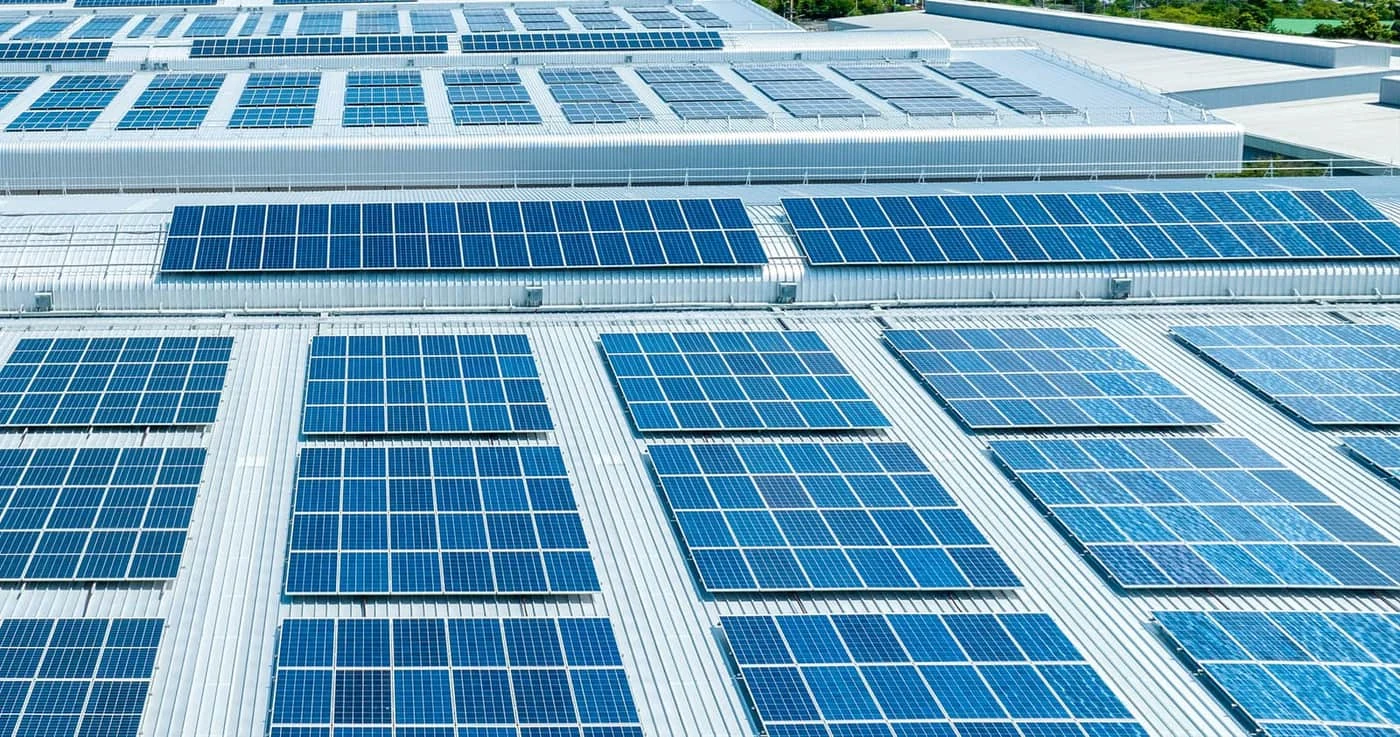
Roof damage assessment and documentation for Salem, Oregon commercial property owners working through windstorm or ice-event insurance claims.
Commercial Roofing Assessment Framework
Document
Membrane and seams
Trace
Drainage and water paths
Review
Flashings and penetrations
Compare
Repair, recover, coating, replacement
Plan
Access, staging, weather protection
Protect
Occupants, equipment, and operations
Close Out
Photos, details, records, priorities
Storm Damage & Insurance Roof Documentation in Salem, OR: Roofing Detail
Documenting Roof Damage the Way an Adjuster Can Actually Use
Windstorms and the occasional ice event through the Willamette Valley damage commercial roofs differently than the wear-and-tear that shows up over years of valley rain. When a property owner is filing a claim, the roof report matters as much as the repair itself, because a vague or incomplete assessment slows everything down. We build our documentation to hold up under adjuster review, not only to describe damage in general terms.
Telling Storm Damage Apart From Ordinary Wear
Insurance policies cover sudden, identifiable events, not the gradual membrane fatigue that comes from nine wet months a year for a decade. Part of our job is separating the two clearly. A blow-off section of TPO membrane, a punctured roof from wind-driven debris, or metal panel damage from an ice load event are storm-related. Ponding from a clogged drain that has been ignored for two years is not, and pretending otherwise on a claim only creates problems for the property owner later.
We document both categories honestly. A clear line between storm damage and pre-existing maintenance issues gives your claim more credibility with an adjuster than an assessment that tries to fold everything into one story.
Wind events through the valley tend to concentrate damage at roof edges, corners, and rooftop equipment where uplift forces are strongest, rather than across an entire field uniformly. We map damage location against those known pressure zones, which helps explain to an adjuster why certain sections show storm impact and adjacent sections do not.
What We Document and How
Our post-storm assessments are assembled around what an insurance file actually needs to move through review efficiently. That includes:
- Dated, geotagged photos of every affected roof section
- Wind speed and event data cross-referenced to the date of loss where available
- Itemized scope of repair broken out by material and labor
- Interior moisture readings where water has migrated below the deck
- A distinction between emergency mitigation work and full permanent repair
That level of detail is what lets an adjuster move a claim forward without a second site visit or a round of clarifying questions.
Emergency Mitigation Comes Before the Claim Conversation
When a storm opens a hole in a commercial roof, stopping water intrusion matters more than paperwork in the first hours. We tarp and temporarily seal exposed sections immediately, then document that mitigation work separately from the permanent repair scope, since most policies expect and cover reasonable steps taken to prevent further damage.
Waiting on an adjuster before doing anything usually makes the damage worse and the eventual repair more expensive, which is not in anyone's interest, including the insurer's.
Working Alongside Your Adjuster, Not Around Them
We do not promise a claim outcome, and any contractor who does is telling you what you want to hear rather than what is true. What we can do is provide a factual, well-documented scope and be available to walk the roof with your adjuster or their engineer to answer technical questions about materials and installation methods. A clear, cooperative process tends to move faster than an adversarial one.
If there is a coverage or scope disagreement between our assessment and the adjuster's estimate, we explain the technical basis for our numbers so your side of the conversation is grounded in specifics, not general pushback.
Repairing to Code, Not Only to Match
Building code sometimes requires more than a like-for-like repair, particularly on older roofs where current code calls for upgraded insulation or drainage that was not required when the roof was originally built. We flag those code-driven cost differences early, since they are frequently a separate coverage conversation with your carrier and better addressed before repair work starts than after.
We put the code citation directly in our scope document rather than a vague reference to upgraded materials, since an adjuster reviewing the claim needs the specific requirement to evaluate whether it applies to your policy's ordinance and law coverage.
This shows up often on older buildings around Salem's industrial corridors, where a roof built decades ago never had the insulation thickness current energy code requires. A carrier's estimate based on a straight like-for-like repair will fall short of what the permit office actually requires, and we flag that gap early so it becomes part of the claim conversation instead of a surprise change order after work has already started.
Questions Property Owners Ask During a Claim
Will you tell my insurance company the damage is worse than it is?
No. We document what is actually there, including damage that is not storm-related, because an inflated or inaccurate report undermines the parts of the claim that are legitimate.
Can you meet my adjuster on site?
Yes, we regularly walk roofs with adjusters and engineers to answer technical questions about the damage and the proposed repair scope directly.
How fast can you tarp a damaged roof after a storm?
Emergency mitigation is typically our first priority after a storm event, ahead of any paperwork or scope discussion, to limit further interior damage.
What if my claim gets denied or reduced?
We can provide additional technical documentation supporting our original assessment if you need it for an appeal, but we do not control or guarantee the outcome of your claim.
Do you handle both the emergency repair and the full restoration?
We can manage the process from initial tarping through final permanent repair, which keeps documentation and scope consistent from the first site visit through completion.
Assessment Priorities
Membrane condition, seams, flashings, penetrations, drains, scuppers, edge metal, rooftop equipment, traffic patterns, and visible moisture evidence are reviewed together before a repair, coating, recover, or replacement path is recommended.
Planning Around the Facility
Access, staging, noise, odor, delivery windows, weather protection, occupied spaces, interior protection, and daily dry-in procedures are planned for the way the commercial property must continue operating.
From Findings to a Clear Scope
Observed conditions are documented so building owners and facility teams can compare immediate repairs, maintenance priorities, system options, budget timing, and closeout requirements without losing sight of the building below the deck.
Ready to review the roof scope?
Industries We Serve
1 of 2
Commercial Roofing Across the Salem Area