Commercial Reroofing in Salem, OR
Commercial Roofing ServicesServing Salem and the central Willamette Valley
Request a Roof Assessment
Commercial roofing in Salem, Oregon
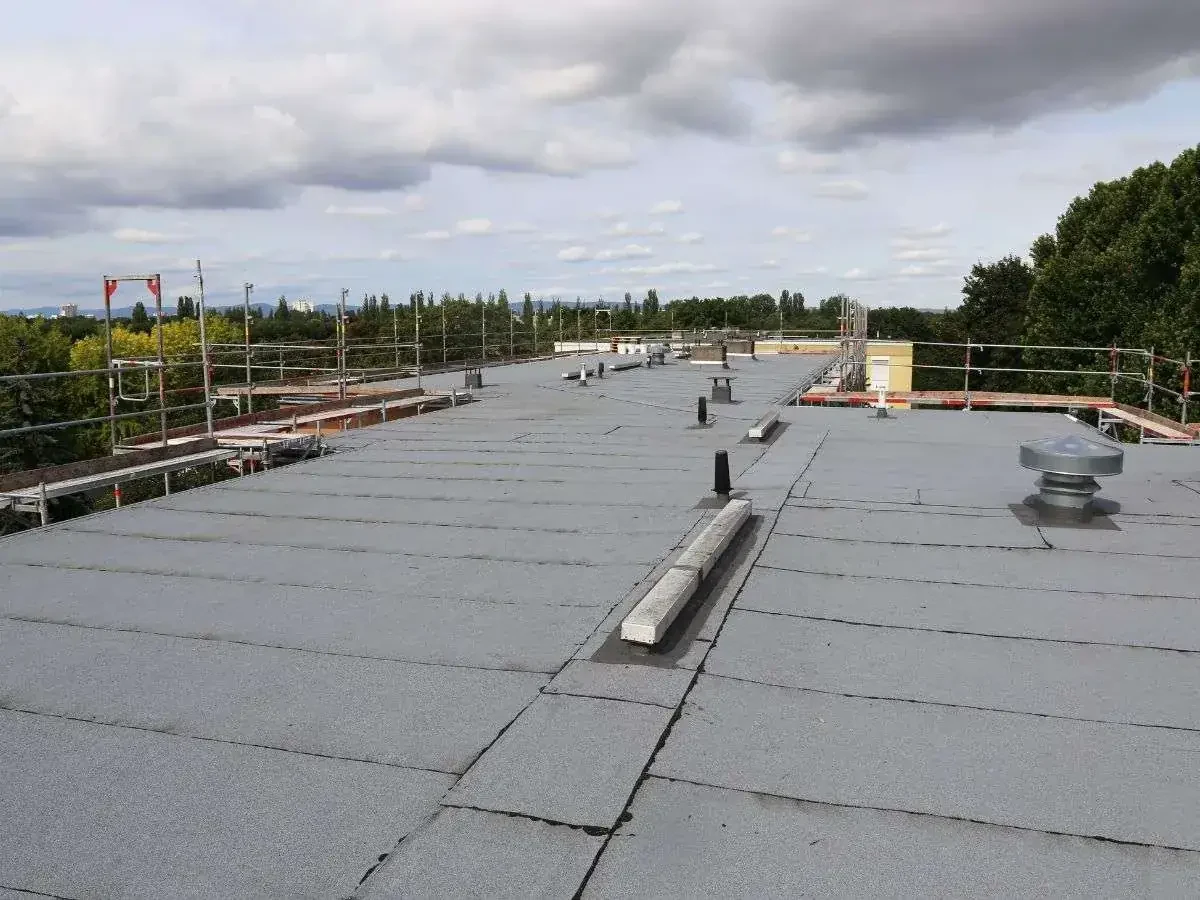
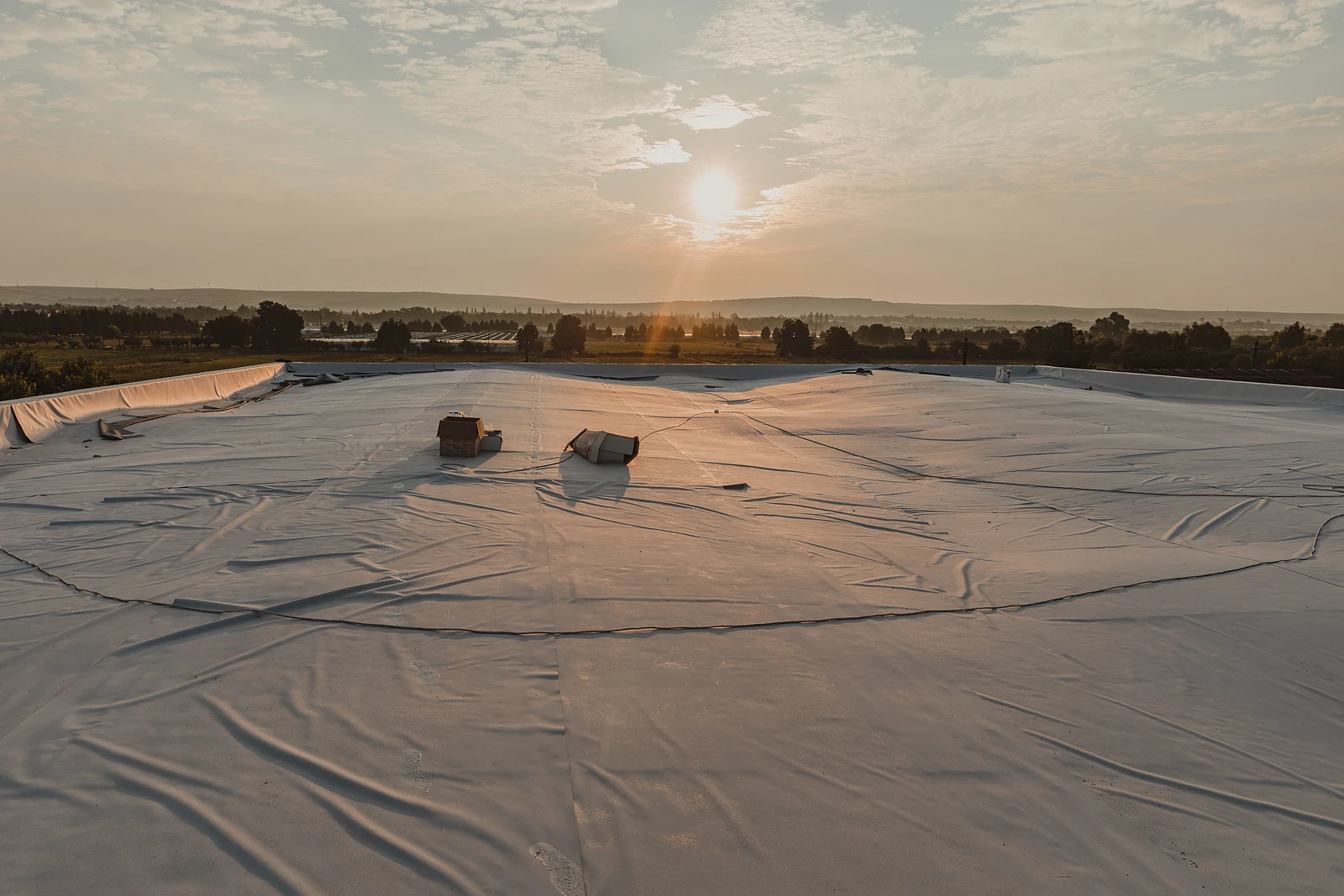
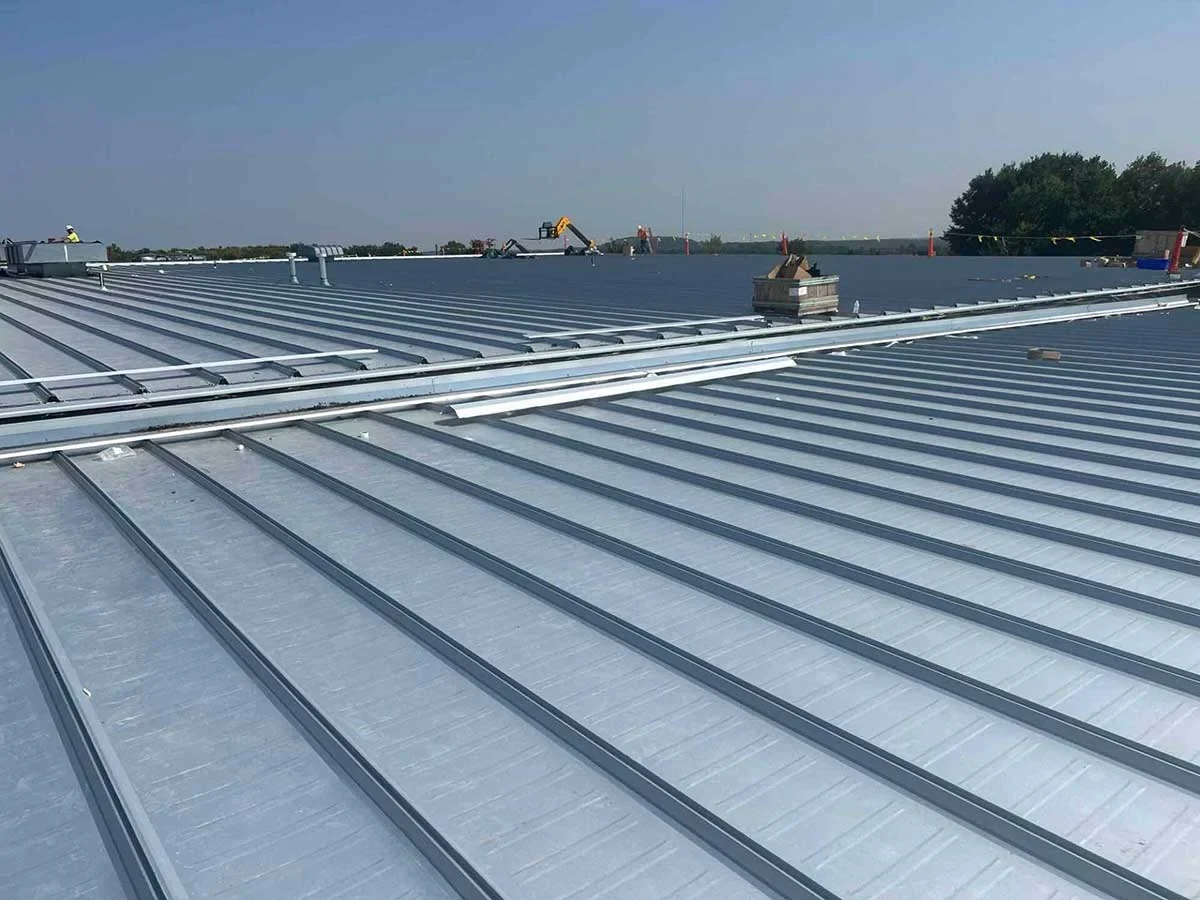
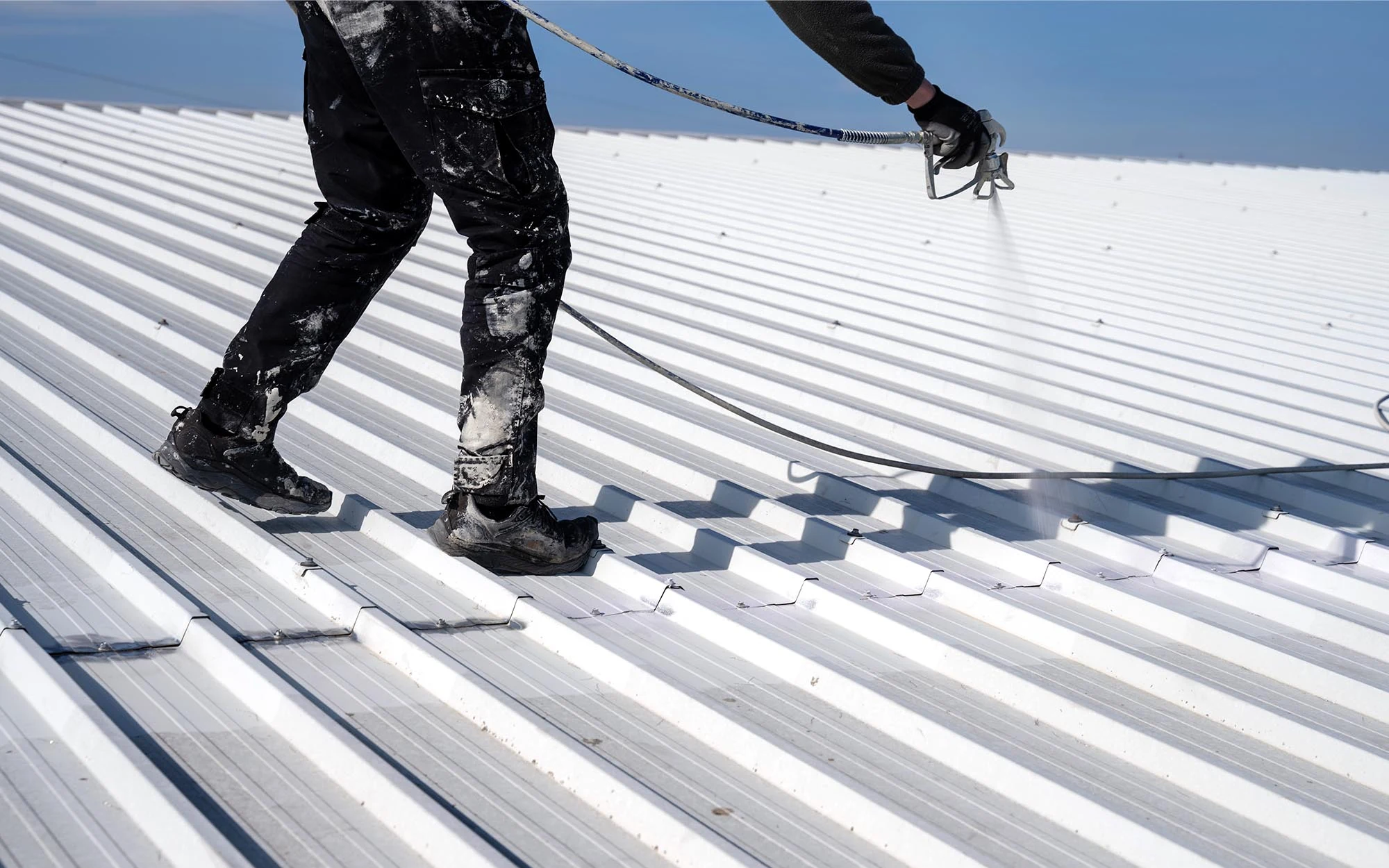
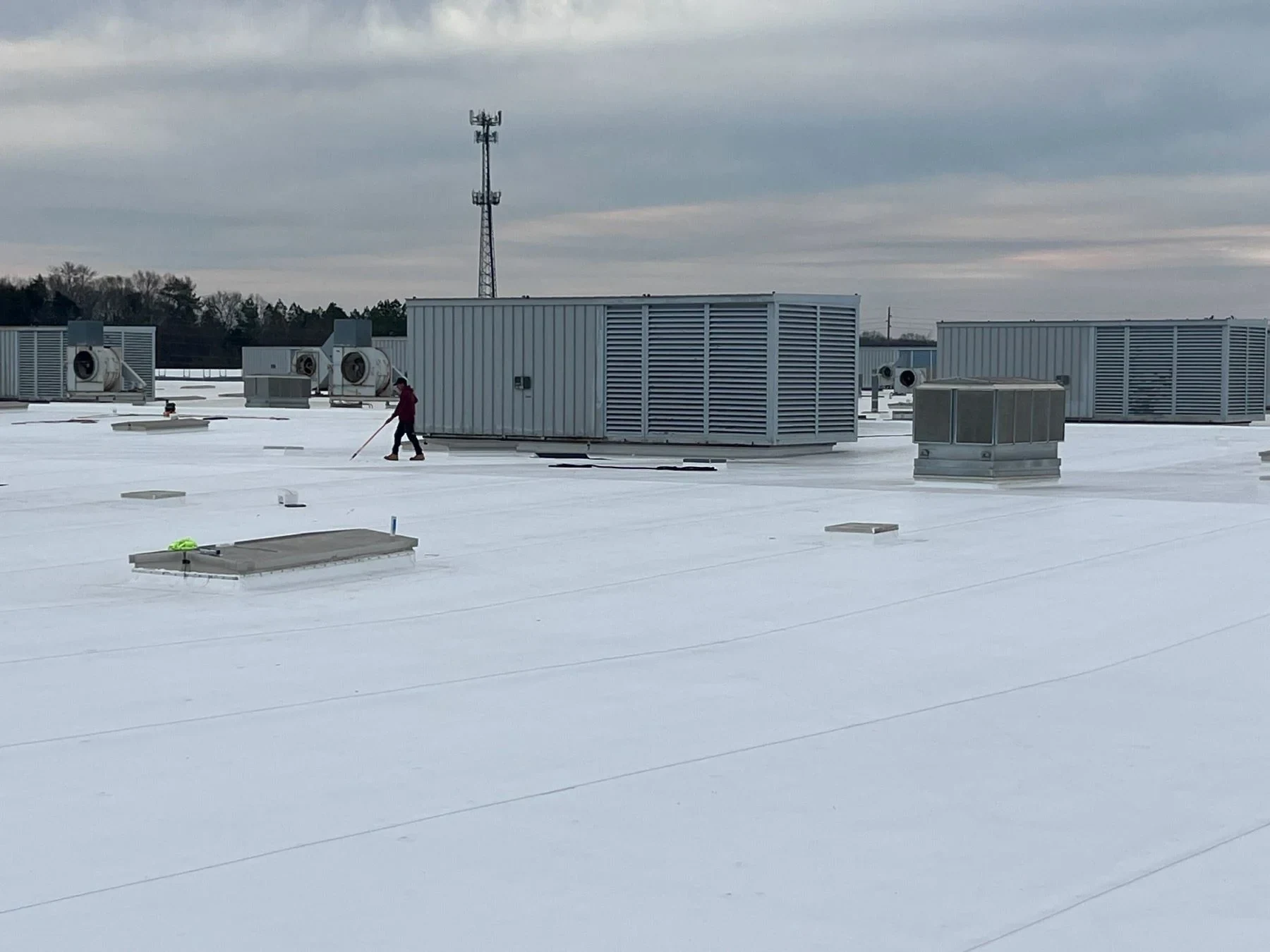
Commercial reroofing in Salem, OR: sequencing a full tear-off around nine wet months and keeping state agency, healthcare, and food-plant roofs dry through the work.
Commercial Roofing Assessment Framework
Document
Membrane and seams
Trace
Drainage and water paths
Review
Flashings and penetrations
Compare
Repair, recover, coating, replacement
Plan
Access, staging, weather protection
Protect
Occupants, equipment, and operations
Close Out
Photos, details, records, priorities
Commercial Reroofing in Salem, OR: Roofing Detail
Deciding When a Salem Roof Is Past Another Repair
Every commercial roof reaches a point where another patch costs more than it saves. In a market that stays wet from October through May, that point tends to arrive earlier than owners expect, because saturated insulation and failed seams don't wait for a dry stretch to cause damage. We help facility managers and ownership groups figure out where that line actually sits before committing to a full reroof.
What Actually Triggers the Reroof Conversation
A handful of signals push a roof from repair territory into replacement territory: the same section generating repeat leak calls across more than one winter, a membrane that's past its expected service life, a lender or insurer flagging roof condition during an inspection, or tenants reporting interior damage that repair crews can't fully resolve. None of these alone is automatic proof of failure, but two or three together usually mean the roof is telling you something the patch history hasn't caught up to yet.
We often find the real evidence during a repair call, not a formal survey. A crew out to fix one leak will pull a core sample nearby and find insulation holding water well beyond the visible wet spot. That's the moment a targeted repair stops making financial sense and a section replacement, or a full reroof, becomes the honest recommendation.
Sequencing a Tear-Off Around the Wet Season
Salem sees meaningful rain roughly nine months of the year, with June through September the only reliably dry stretch. Most reroofs on this schedule are timed to start in that window, and starting late is the single most common mistake we see from owners who chase a lower bid without asking about the contractor's production schedule. A crew that can't finish dry-in before the first fall system moves through the valley leaves a building exposed at exactly the wrong time.
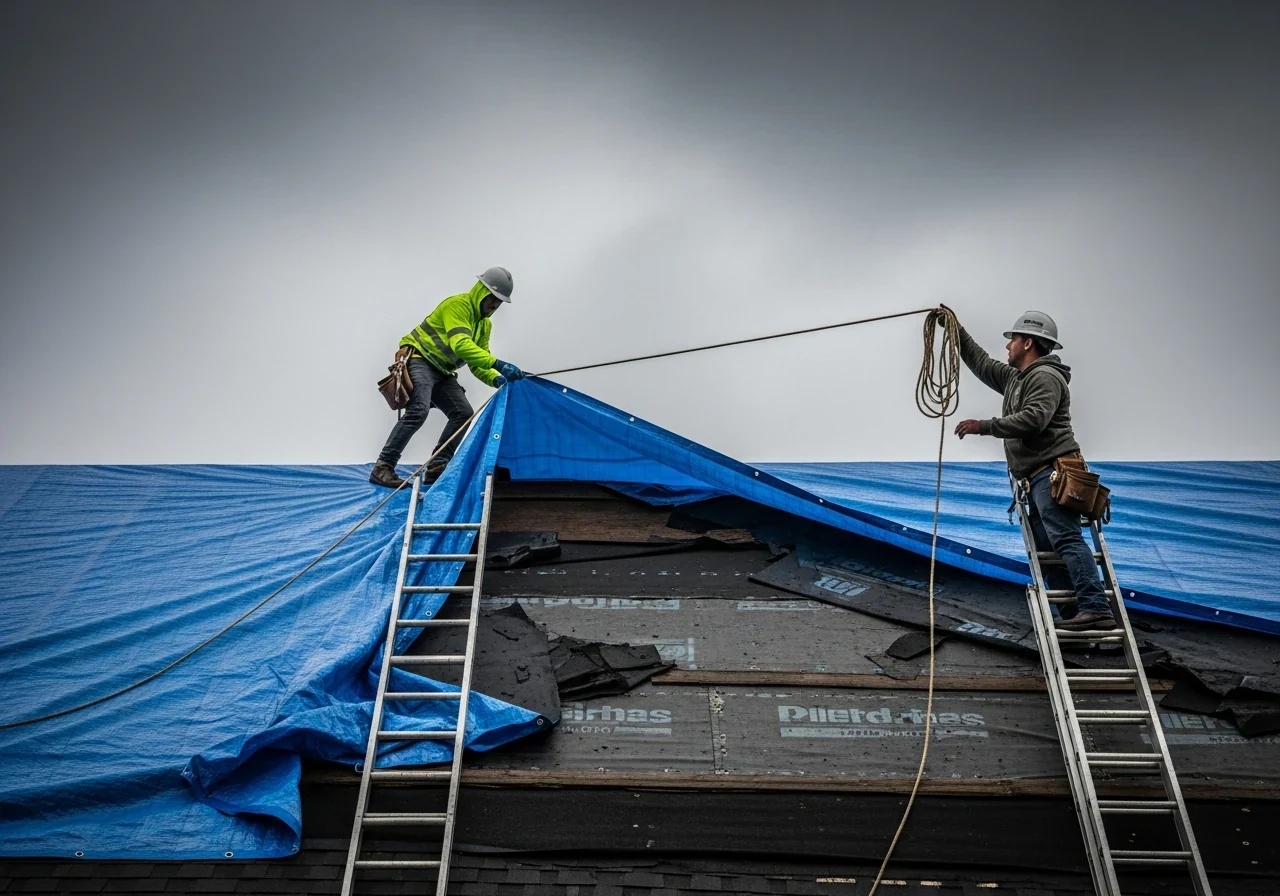
On larger roofs we work in sections, tearing off only what a crew can dry in and tie off before the end of the day. Every open edge gets a temporary night seal if weather is questionable, and we don't leave more deck exposed overnight than the forecast can support. That discipline costs a little schedule efficiency and saves the interior of the building from a surprise.
Keeping Occupied Buildings Running Through the Work
A meaningful share of Salem's commercial roof stock sits over buildings that can't close for construction. State agency offices around the Capitol Mall and the Court Street corridor run on public-facing schedules, and healthcare buildings tied to the Salem Health campus have infection-control and noise constraints that shape when and how loud a crew can work overhead. We plan access, staging, and daily noise windows around those realities instead of asking the building to work around us.
Food-processing tenants along Highway 22 and near the Mill Creek Corporate Center run production shifts that can't tolerate an open roof deck during operating hours. For those buildings we shift tear-off to nights or weekends and coordinate directly with plant operations so a delayed shift isn't a surprise on either side.
System Selection Comes After the Deck Assessment, Not Before
Owners often start the reroof conversation by asking which membrane to choose. We push that question later in the process. Deck condition, existing insulation moisture, drain layout, and code-required R-values all shape which systems are even viable options, and picking a membrane before that assessment is finished is how projects end up with change orders once the old roof comes off.
For public agencies working on a fiscal-year budget cycle, we also flag timing early. A reroof that spans a fiscal year boundary can complicate approvals, so aligning the tear-off schedule with the budget calendar is worth raising in the planning phase rather than discovering it mid-project.
- Core cuts across multiple roof zones to check insulation moisture, well beyond the area with the active leak
- Condition of every drain, scupper, and edge detail on the roof, not only the ones near reported problems
- Deck fastener pattern and any soft spots found during a foot-traffic walk of the field
- Full history of prior patches and repairs, mapped against where new problems keep showing up
- Rooftop equipment curb condition and the remaining service life of major HVAC units on the roof
- Current insulation R-value compared against what current code requires for a full replacement
What a Phased Reroof Actually Costs Beyond the Contract Price
A low bid that skips ahead of the wet season can end up costing more once you count temporary protection, interior repairs from a surprise rain event, or a rushed tie-in that fails within a year. We price the schedule risk into our recommendation alongside the material and labor, because an owner comparing two proposals side by side needs to see that difference to make a fair decision.
We also tell owners directly when a full reroof isn't yet justified. If a targeted section replacement and a tightened maintenance plan can buy several more years of service life at a fraction of the cost, that's the recommendation we make, even though it's a smaller job for us.
Reroofing Questions We Get From Salem Building Owners
How do you decide between more repairs and a full reroof?
We look at repeat leak history, insulation moisture found during core cuts, and remaining membrane life. If two or three of those point the same direction, we recommend replacement. If the damage is isolated, we recommend targeted repair instead.
What time of year should a reroof start in Salem?
June through September gives the most reliable dry-weather window for a full tear-off. Projects starting later need a tighter schedule and a firmer contingency plan for early fall rain.
Can a reroof happen while the building stays occupied?
Yes, on most projects. We section the work, plan access and noise windows around building hours, and coordinate directly with facility staff so operations continue with minimal disruption.
What happens if rain moves in before a section is dried in?
We don't leave more deck open overnight than the forecast supports, and every open edge gets a temporary seal when conditions are uncertain. That's a schedule decision we make daily, not something we leave to chance.
How long does a typical commercial reroof take here?
It depends on roof size and system, but most mid-size commercial reroofs in this market run from two to six weeks once tear-off begins, with the dry-season schedule built in as a buffer against weather delays.
Assessment Priorities
Membrane condition, seams, flashings, penetrations, drains, scuppers, edge metal, rooftop equipment, traffic patterns, and visible moisture evidence are reviewed together before a repair, coating, recover, or replacement path is recommended.
Planning Around the Facility
Access, staging, noise, odor, delivery windows, weather protection, occupied spaces, interior protection, and daily dry-in procedures are planned for the way the commercial property must continue operating.
From Findings to a Clear Scope
Observed conditions are documented so building owners and facility teams can compare immediate repairs, maintenance priorities, system options, budget timing, and closeout requirements without losing sight of the building below the deck.
Ready to review the roof scope?
Commercial Roofing Services
1 of 2

Commercial Roofing Across the Salem Area