Storm Damage Roof Repair in Salem, OR
Commercial Roofing ServicesServing Salem and the central Willamette Valley
Request a Roof Assessment
Commercial roofing in Salem, Oregon
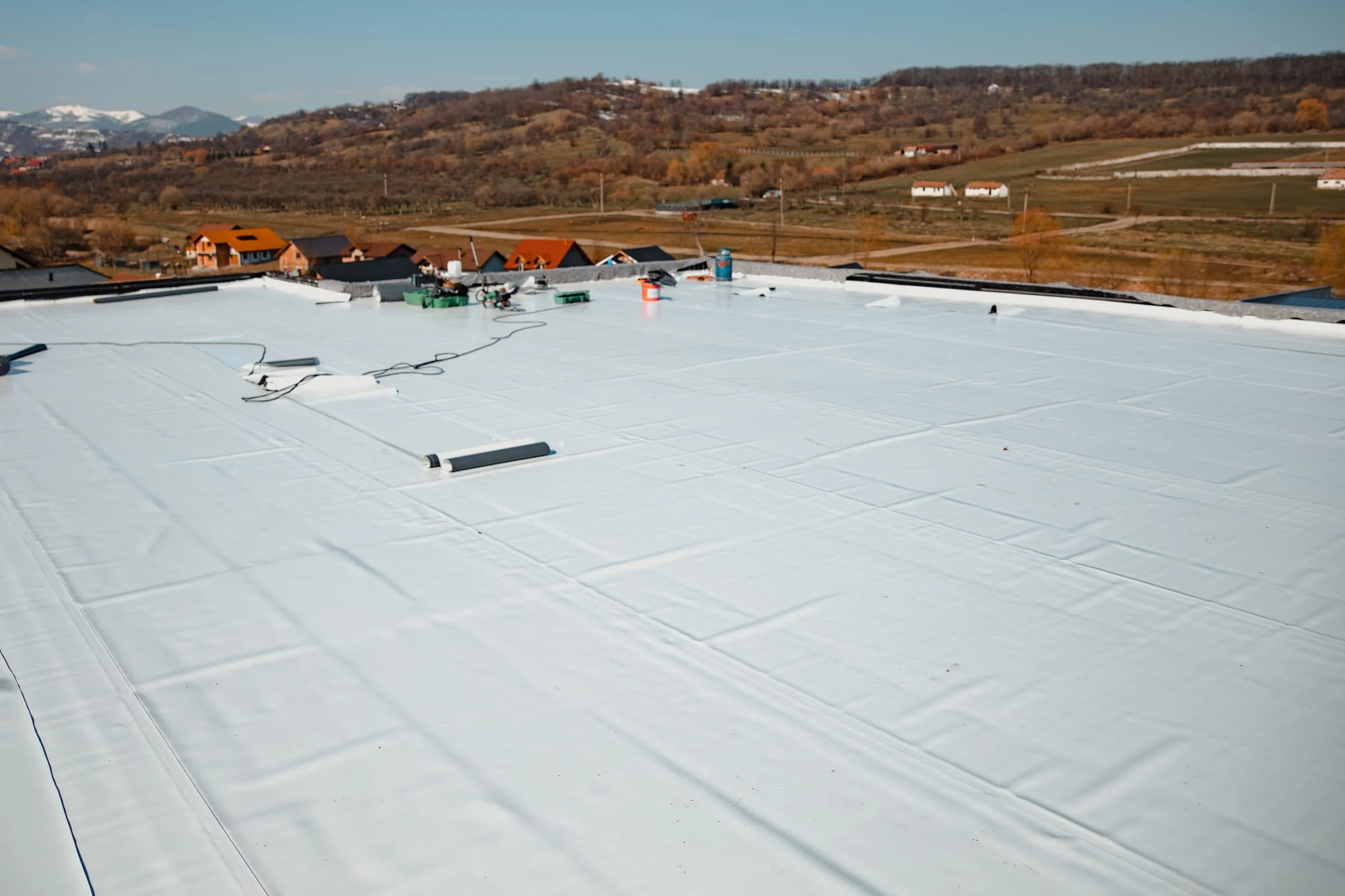
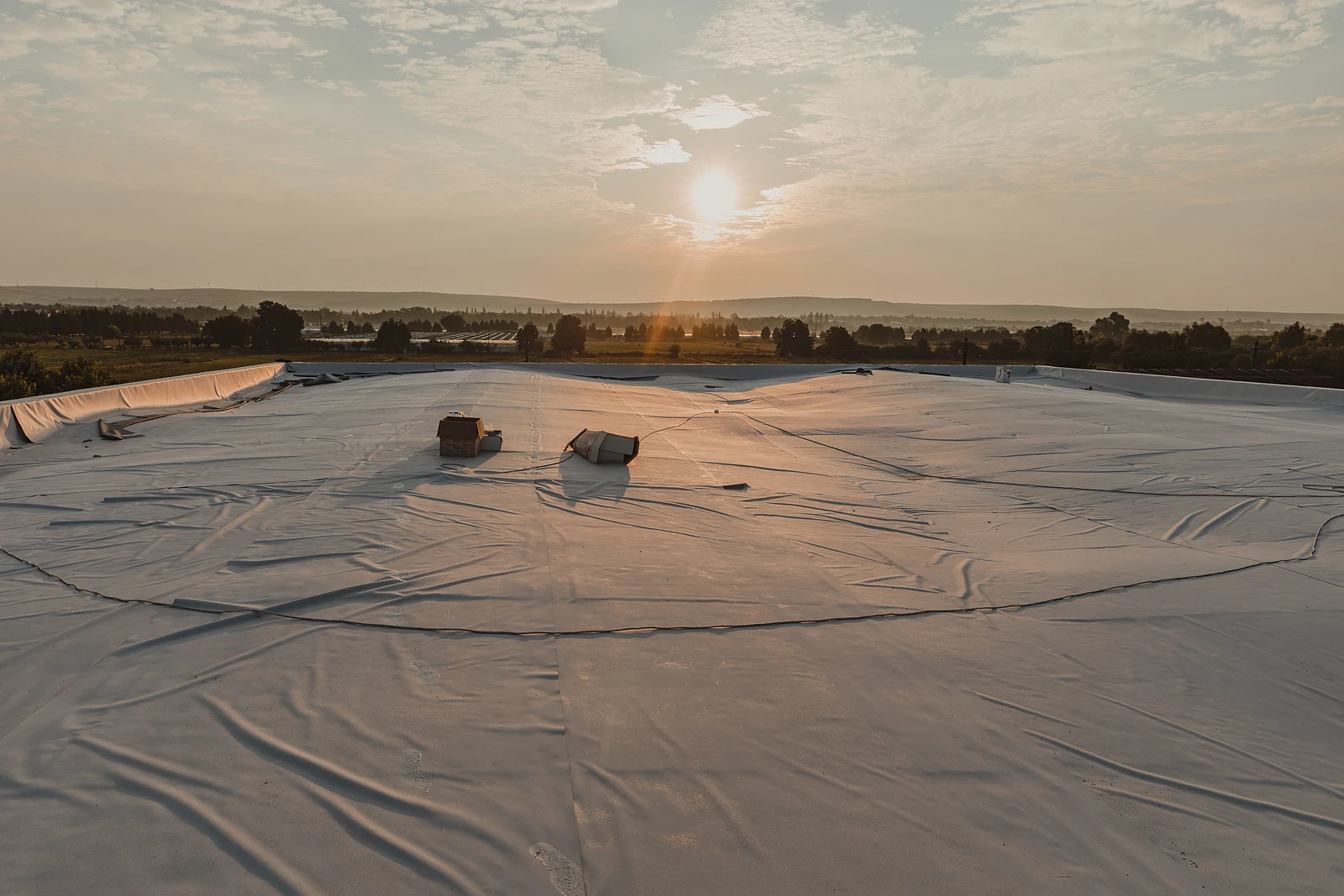
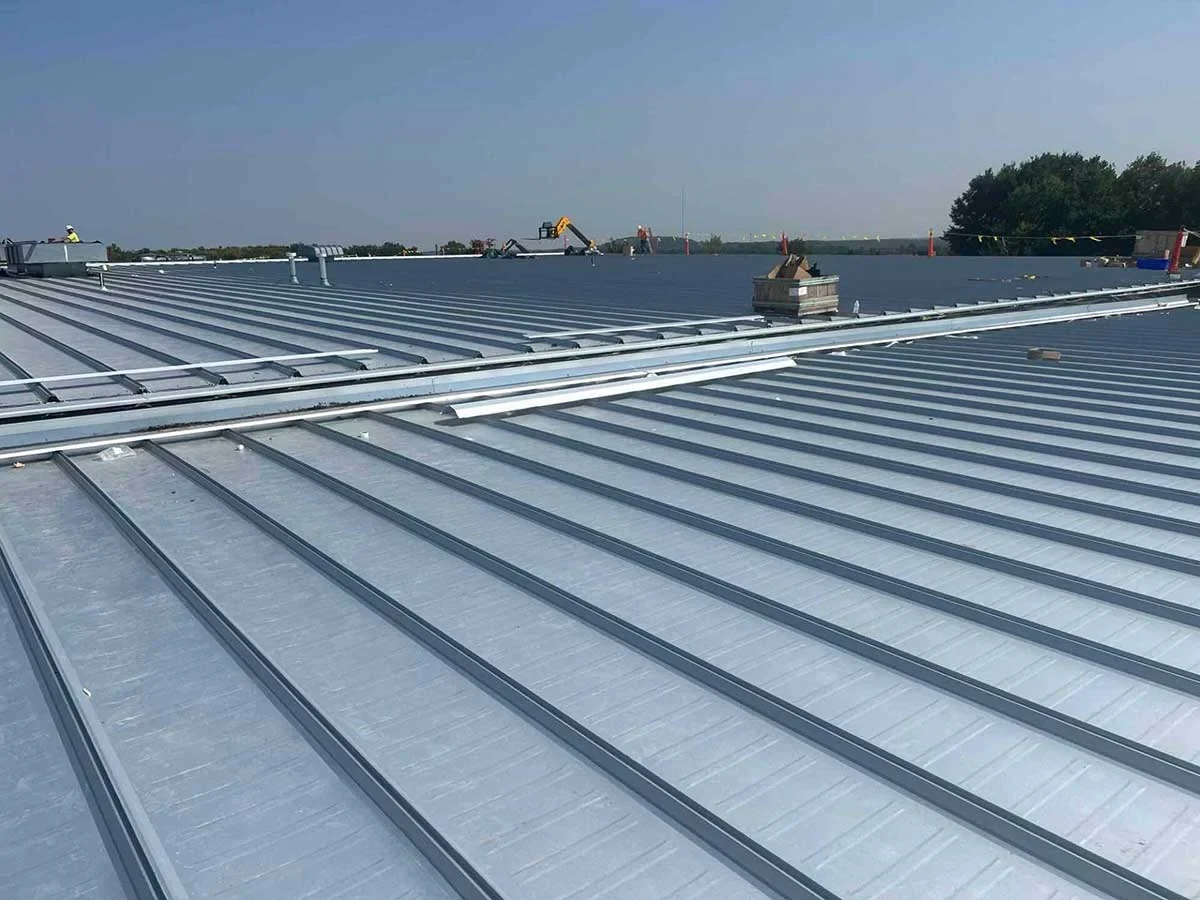
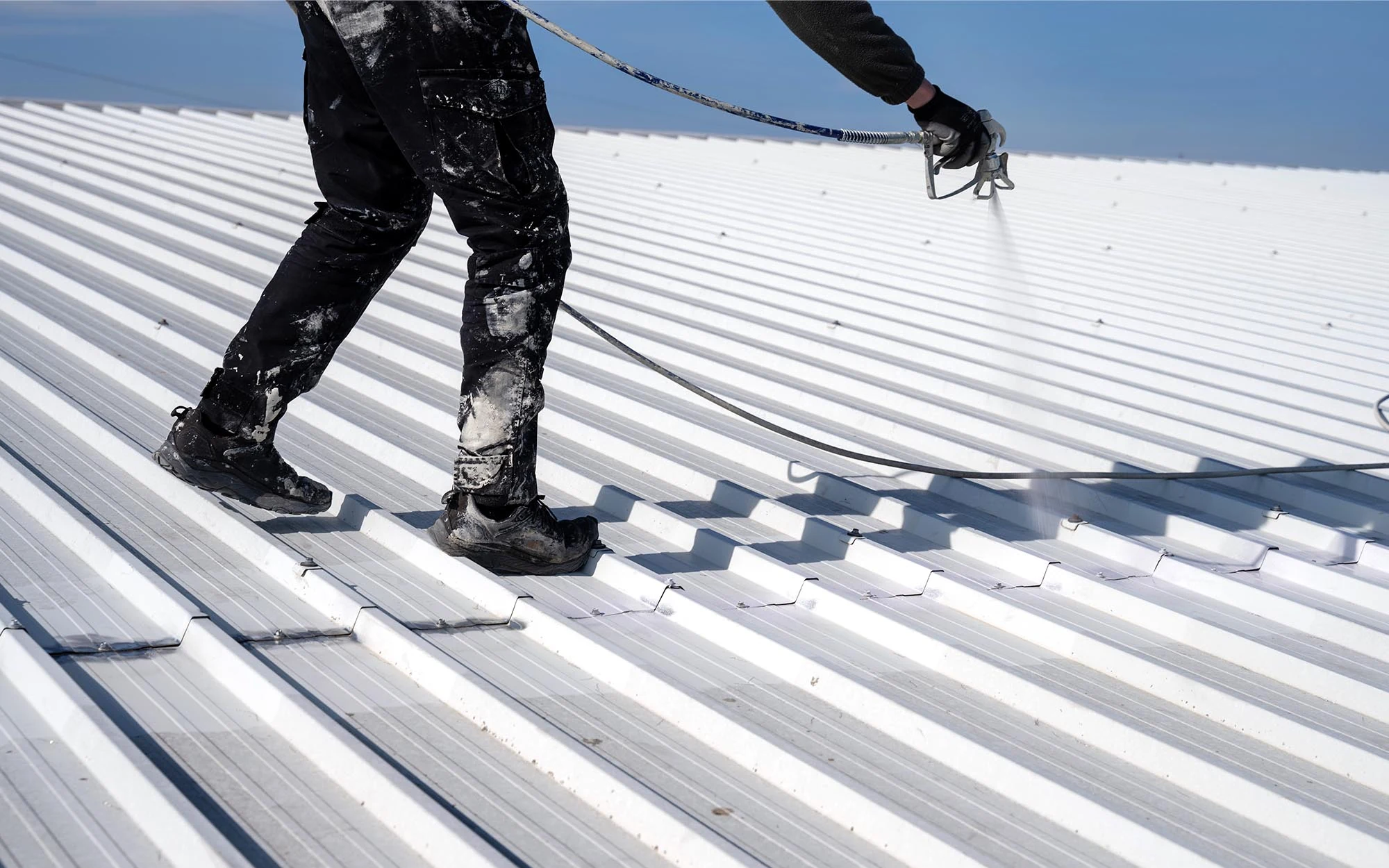
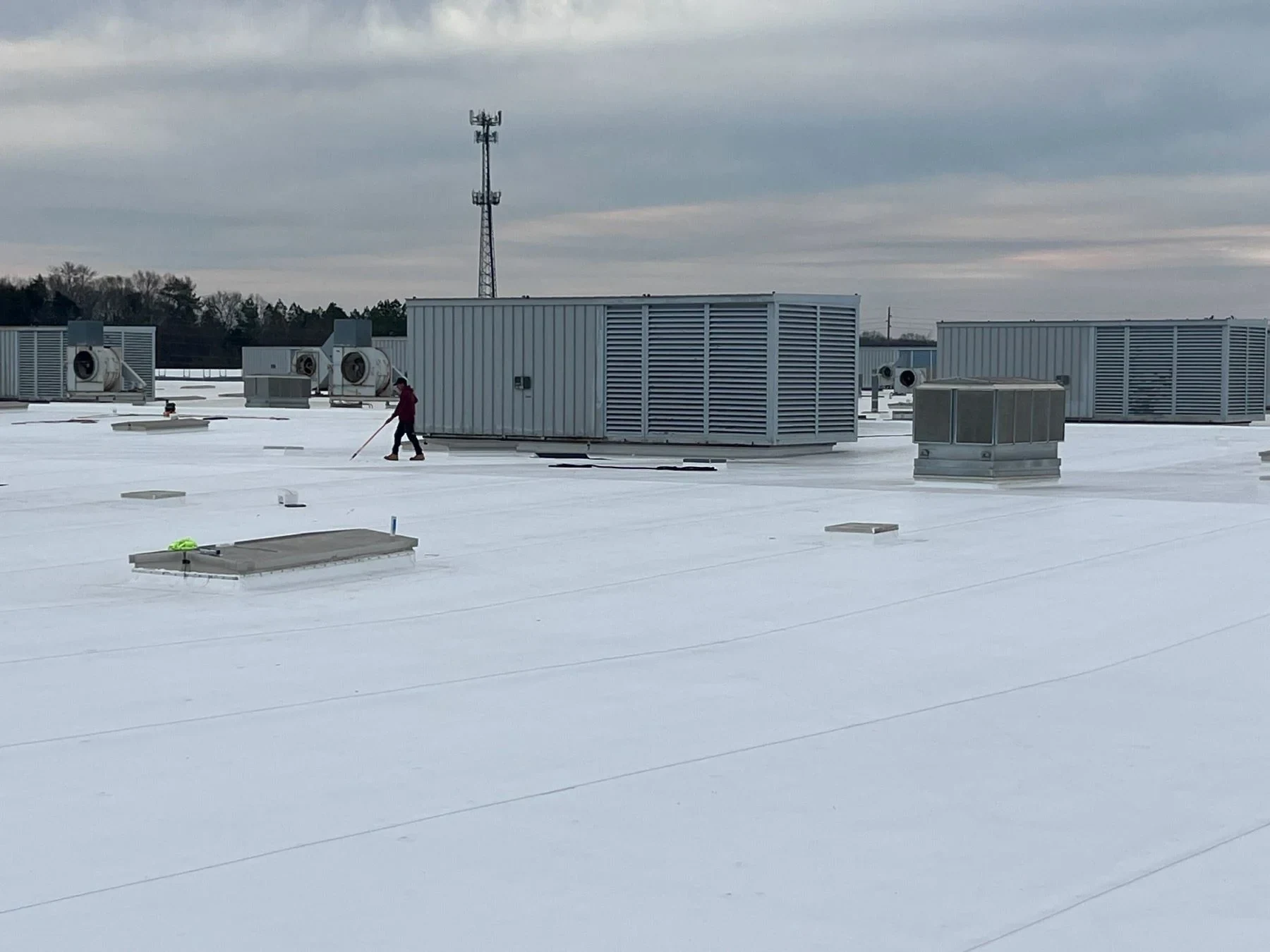
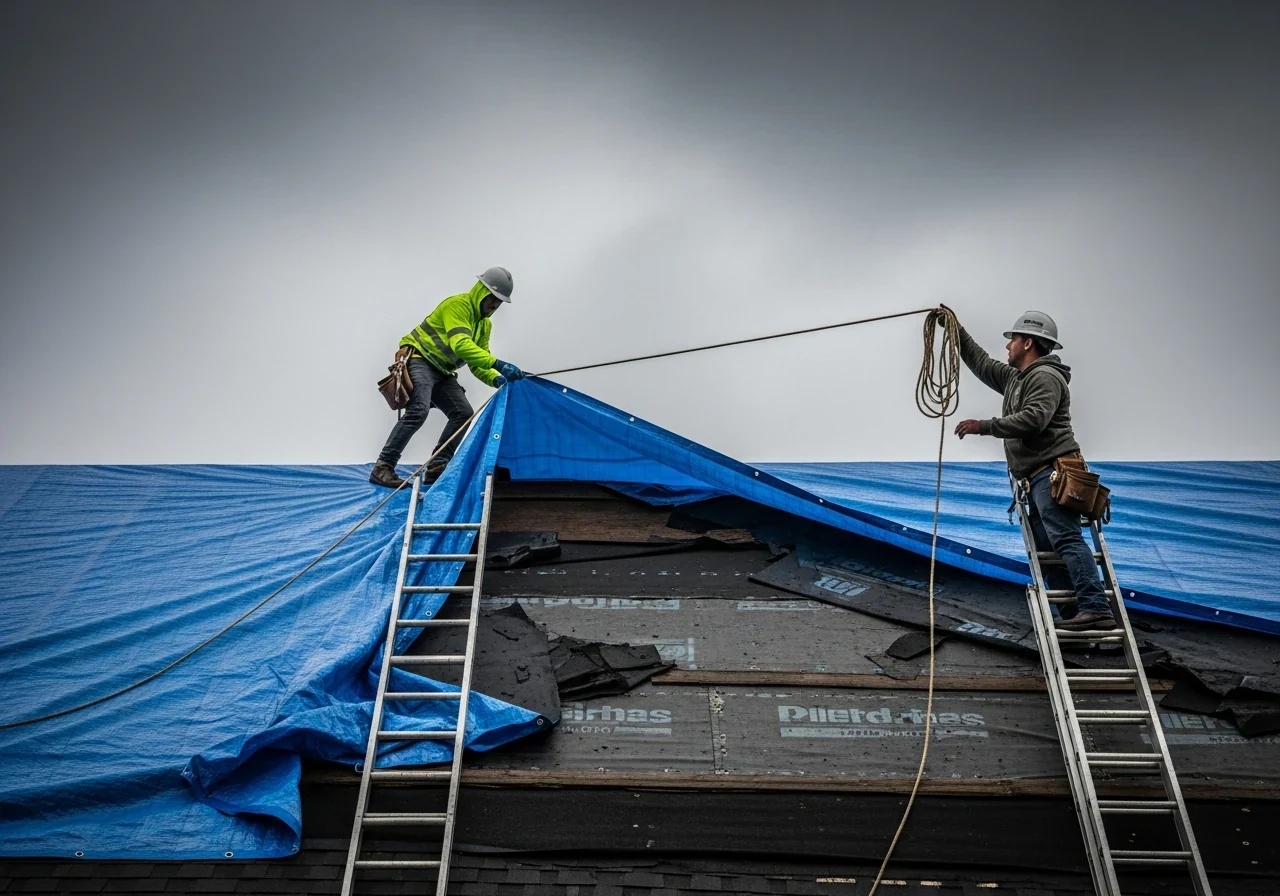
Storm damage roof repair in Salem, OR: wind-driven rain, downed limbs, and ice-storm impact on commercial membranes, assessed and repaired without inflated claims.
Commercial Roofing Assessment Framework
Document
Membrane and seams
Trace
Drainage and water paths
Review
Flashings and penetrations
Compare
Repair, recover, coating, replacement
Plan
Access, staging, weather protection
Protect
Occupants, equipment, and operations
Close Out
Photos, details, records, priorities
Storm Damage Roof Repair in Salem, OR: Roofing Detail
What Wind and Ice Actually Do to a Salem Commercial Roof
Storm damage here follows a narrow, predictable pattern rooted in the valley's own weather, not a generic checklist written for a different climate. Our roofs take wind-driven rain, occasional downed limbs, and every few winters a genuine ice storm heavy enough to load down trees and lines. We assess and repair based on what actually happens here, case by case.
Wind-Driven Rain Is the Most Frequent Storm Damage We See
A strong system moving through the Willamette Valley pushes rain sideways into parapet walls, coping joints, and rooftop unit curbs that were built to shed water falling straight down, not water forced horizontally under a lifted seam. This is the most common form of storm damage we repair, and it's often mistaken for an ordinary leak until the pattern of interior water damage lines up with a specific wind direction from the last storm.
Membrane that's lifted at an edge or fastener during high wind can look fine again once the wind dies down, which is why we check edge and coping fastener spacing specifically after any significant wind event, even when there's no visible leak yet.
Ice Storms Bring a Different Kind of Damage
The Willamette Valley sees a serious ice storm only occasionally, but when one hits, the weight of ice-coated tree limbs and branches becomes the real hazard, not the ice on the roof membrane itself. A limb coming down on a low-slope commercial roof can puncture membrane, crack insulation board, and in worse cases damage the deck underneath, especially on older buildings near mature street trees in Salem's established commercial districts.
We assess ice-storm damage as a structural question first, checking for deck deflection or insulation crushing under the impact point, before treating it as a simple membrane repair. A punctured membrane over sound deck is a different repair than a punctured membrane over compromised structure.
What Storm Damage Repair Actually Involves
We start every storm repair with photo documentation of the damage as found, before touching anything, since that record matters for insurance documentation regardless of what the final repair scope turns out to be. From there we assess whether the damage is isolated to the impact point or whether wind has lifted membrane at other edges and seams that need attention in the same visit.
Repair materials and technique depend on what failed. A lifted seam gets re-adhered and mechanically reinforced at the edge; a punctured membrane over sound deck gets a proper patch tied into the surrounding field; a compromised deck section gets replaced before any membrane work continues over it.
- Photo documentation of storm damage as found, before any repair work begins
- Wind direction and pattern check against interior damage location to confirm entry point
- Edge and coping fastener inspection across the full roof after any significant wind event
- Structural assessment of deck and insulation under any impact point from fallen debris
- Repair method matched to actual failure type, not a blanket patch approach
- Follow-up check after repair once the next weather system has passed
Documentation Without Overpromising an Outcome
We give owners factual, dated documentation of storm damage for their own records and for insurance use. We don't tell an owner what an adjuster will decide or promise a specific claim outcome, because that isn't something a roofing contractor controls. What we do control is giving an honest, well-documented account of what happened to the roof and what it will take to repair it properly.
For buildings with a maintenance history on file with us, storm damage assessment is faster and more precise, since we already have a baseline condition report to compare the new damage against.
Repair Timing Around the Next System
Storm repair scheduling in this valley has to account for the fact that one weather system is often followed by another within days. A temporary seal that would hold indefinitely in a drier climate needs to be treated as genuinely temporary here, with the permanent repair scheduled as soon as materials allow rather than left to sit through an entire wet season. We build that urgency into the proposal timeline instead of quoting a standard repair window that assumes stable weather.
On buildings with multiple damage points from the same event, such as a wind storm that lifted membrane at more than one parapet section, we prioritize repair order by exposure risk, addressing the most vulnerable openings first even if a smaller, less urgent repair has to wait a few extra days.
Storm Damage Questions We Get
What causes most storm damage to commercial roofs in this market?
Wind-driven rain and, on occasion, ice-storm limb impact account for nearly every storm call we take. We plan and repair based on those two causes rather than a generic regional checklist.
How do I know if recent wind actually damaged my roof?
Lifted membrane at an edge or seam can settle back down and look normal after the wind stops, which is why a post-storm inspection matters even without a visible leak. We check fastener spacing and seam condition specifically after significant wind.
What should I do if a tree limb falls on the roof during an ice storm?
Get the area assessed before assuming it's only a surface puncture. Impact from a heavy ice-coated limb can affect insulation and deck as well as the membrane, and that changes the repair scope.
Will you tell me what my insurance claim is worth?
No, that's not our role. We document the damage factually with photos and a written scope, which you or your adjuster can use, but we don't estimate or promise claim outcomes.
How fast do you respond after a storm?
Active damage gets priority scheduling, typically the same or next business day. Non-urgent storm assessment can usually be scheduled within the week.
Assessment Priorities
Membrane condition, seams, flashings, penetrations, drains, scuppers, edge metal, rooftop equipment, traffic patterns, and visible moisture evidence are reviewed together before a repair, coating, recover, or replacement path is recommended.
Planning Around the Facility
Access, staging, noise, odor, delivery windows, weather protection, occupied spaces, interior protection, and daily dry-in procedures are planned for the way the commercial property must continue operating.
From Findings to a Clear Scope
Observed conditions are documented so building owners and facility teams can compare immediate repairs, maintenance priorities, system options, budget timing, and closeout requirements without losing sight of the building below the deck.
Ready to review the roof scope?
Commercial Roofing Services
1 of 2
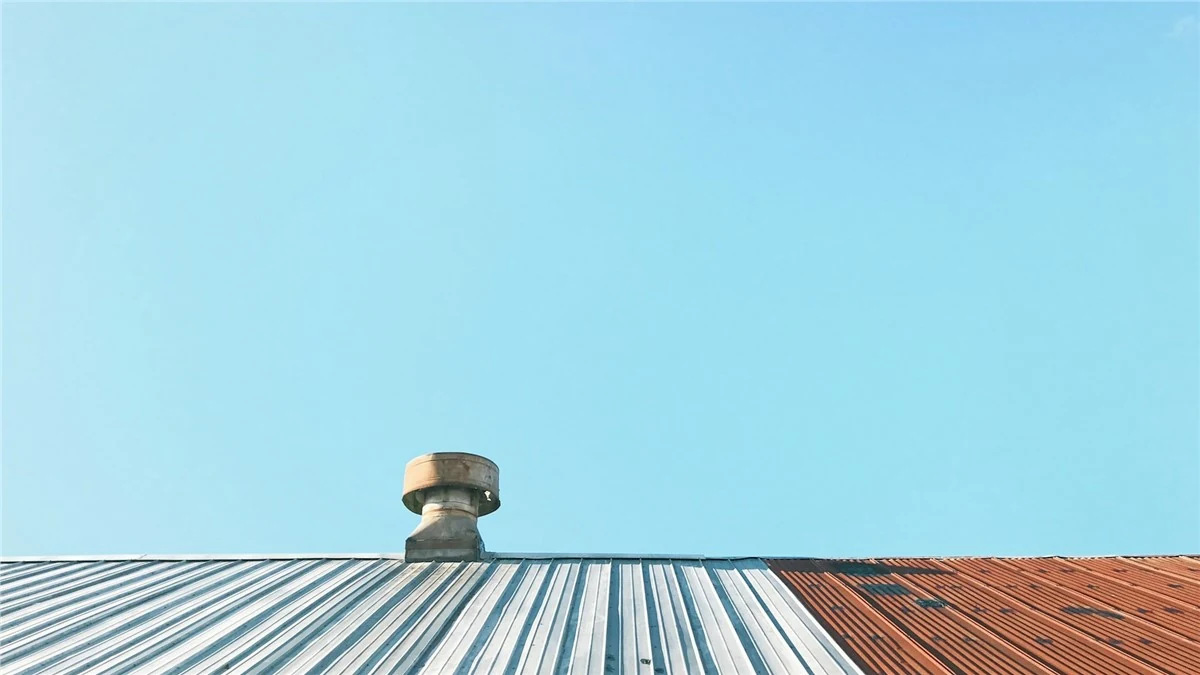
Commercial Roofing Across the Salem Area