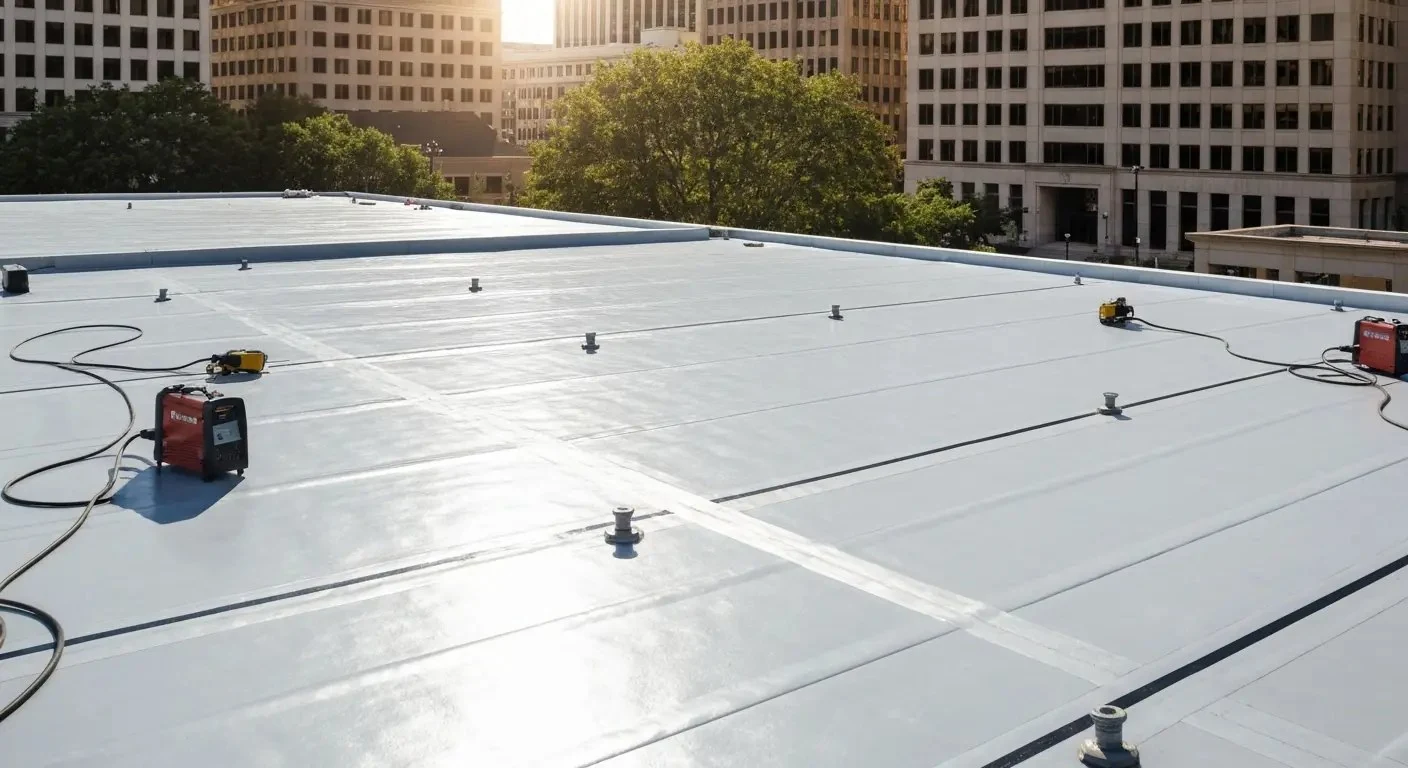
PVC Roofing in Salem, OR
Commercial Roofing ServicesServing Salem and the central Willamette Valley
Request a Roof Assessment
Commercial roofing in Salem, Oregon
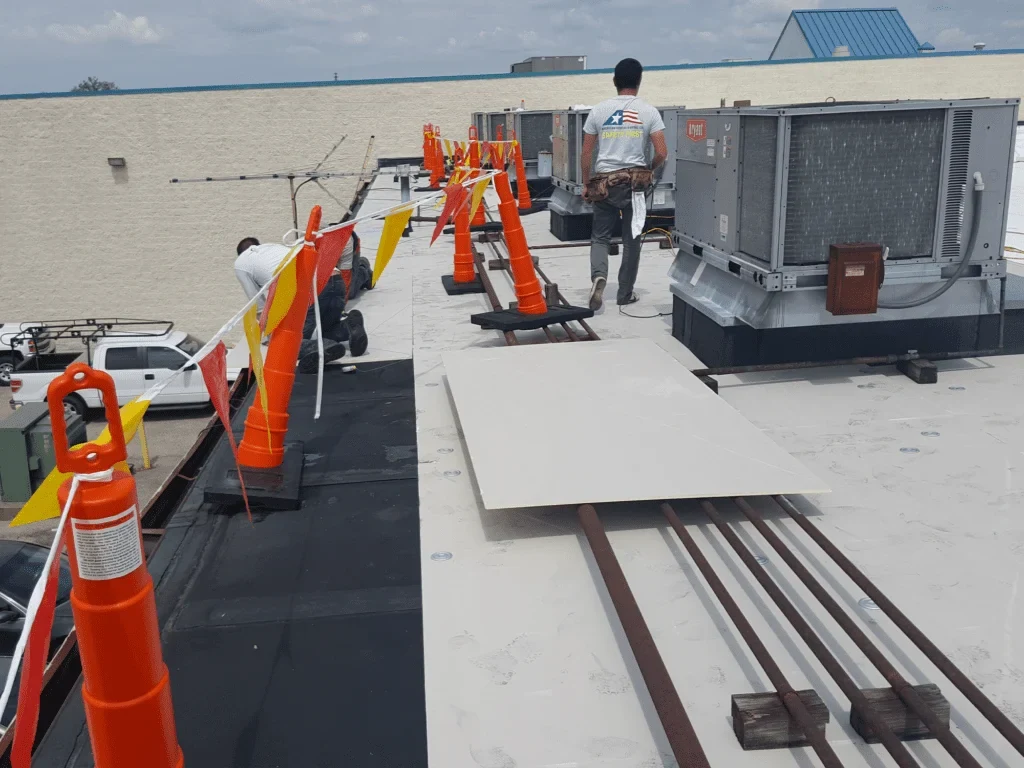
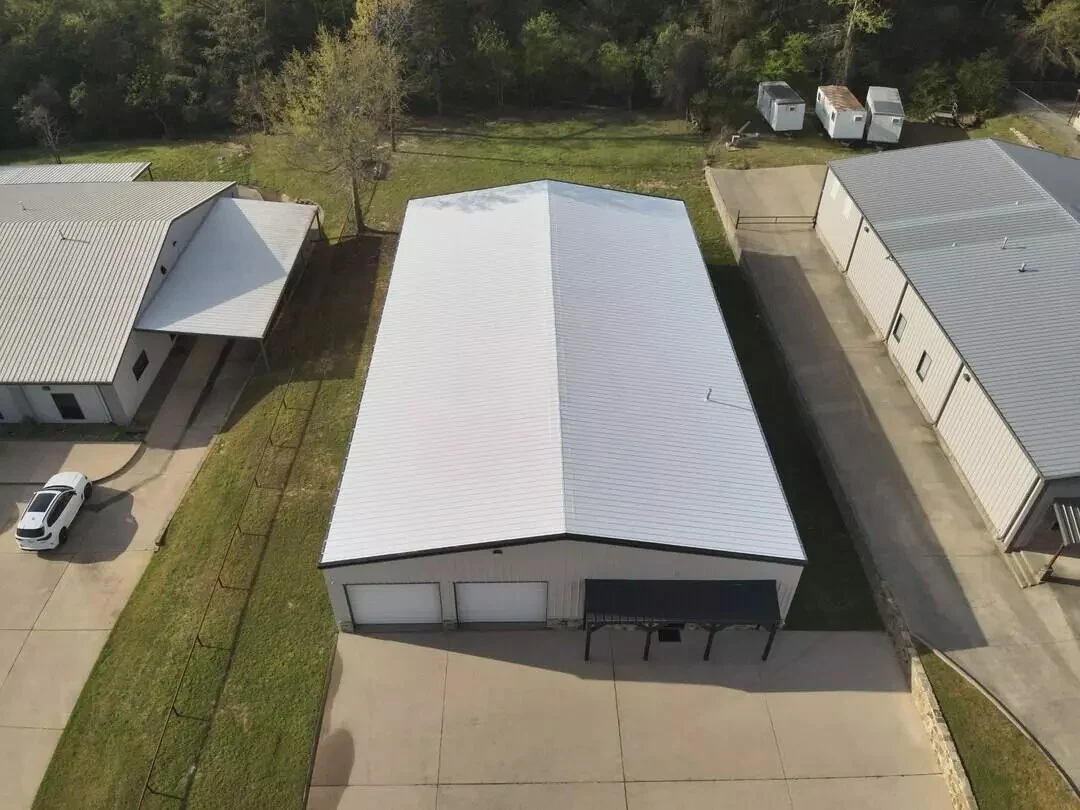
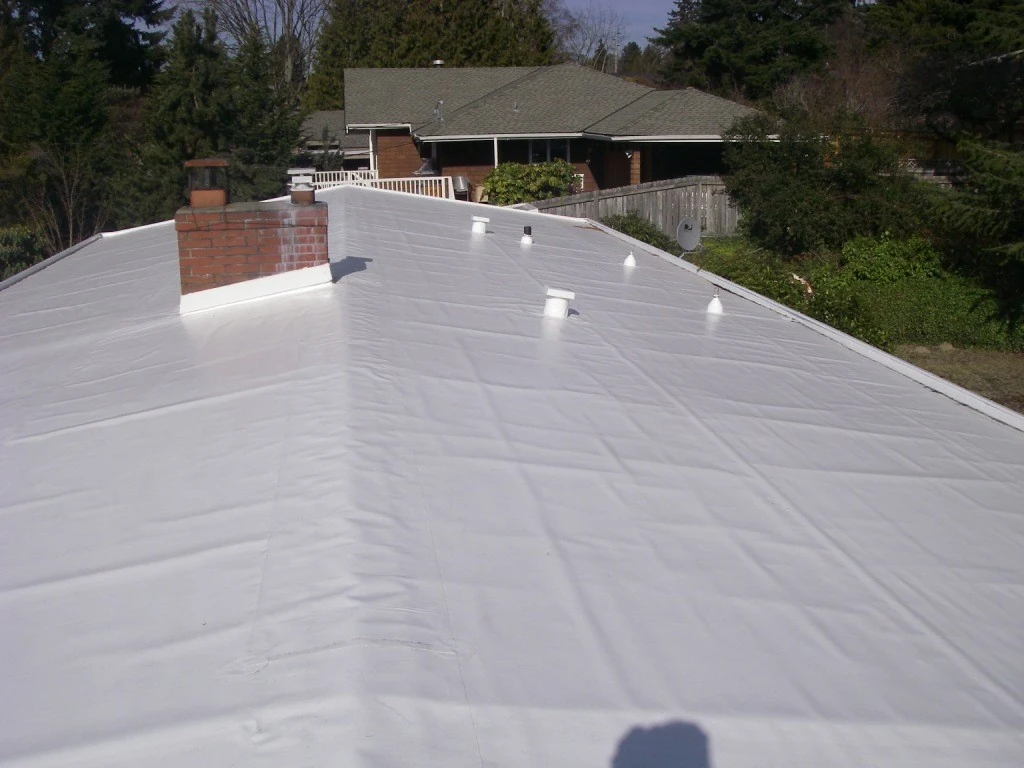
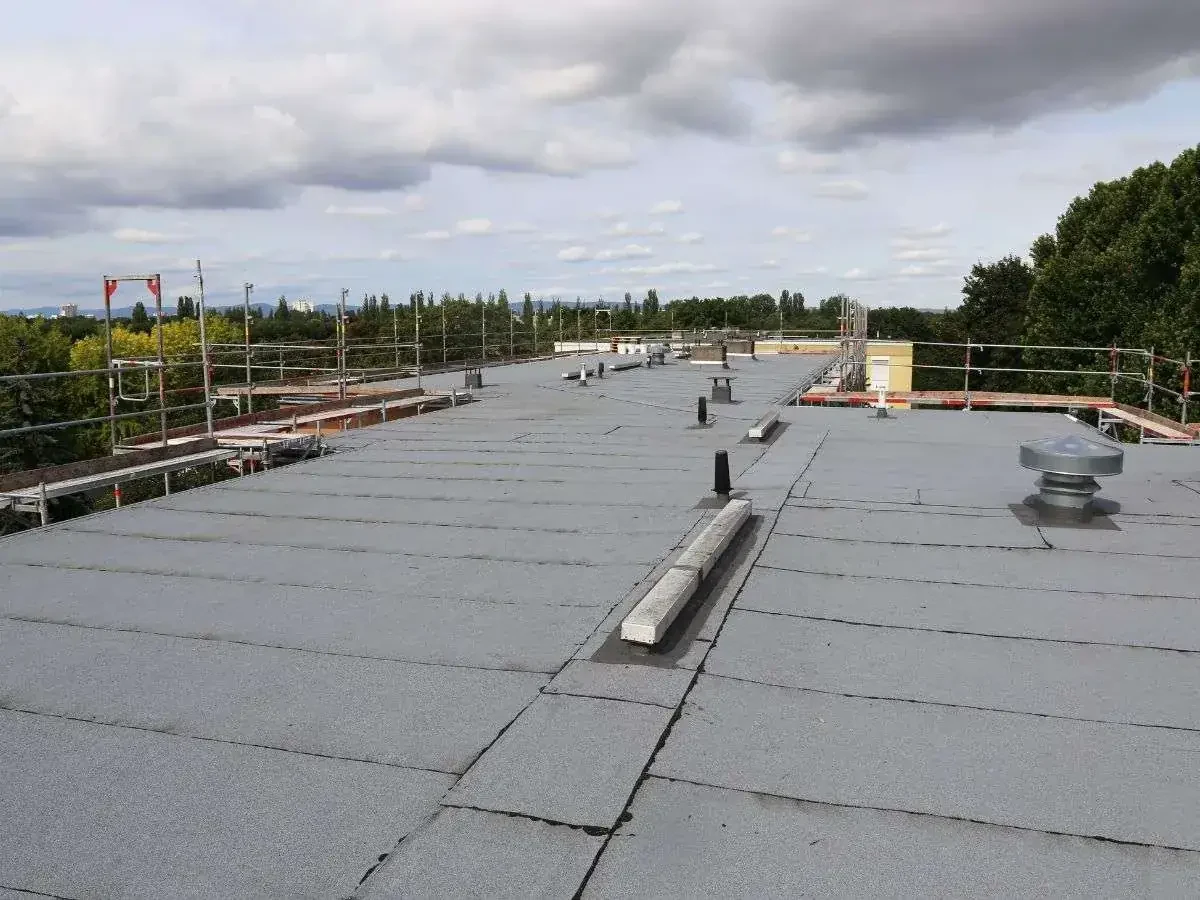
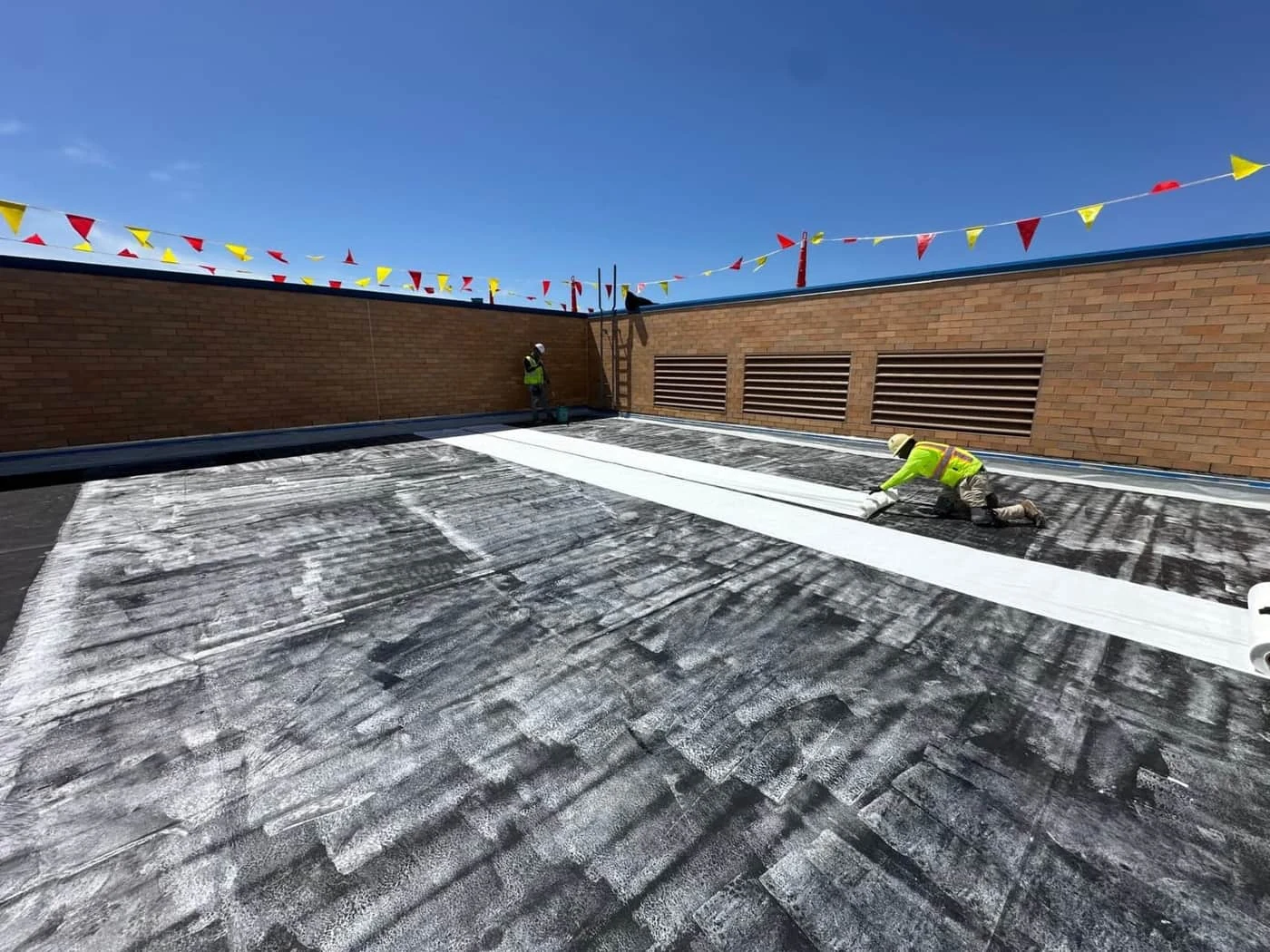
PVC roof systems for Salem food-processing, healthcare, and institutional buildings needing grease, chemical, and fire-classification performance.
Commercial Roofing Assessment Framework
Document
Membrane and seams
Trace
Drainage and water paths
Review
Flashings and penetrations
Compare
Repair, recover, coating, replacement
Plan
Access, staging, weather protection
Protect
Occupants, equipment, and operations
Close Out
Photos, details, records, priorities
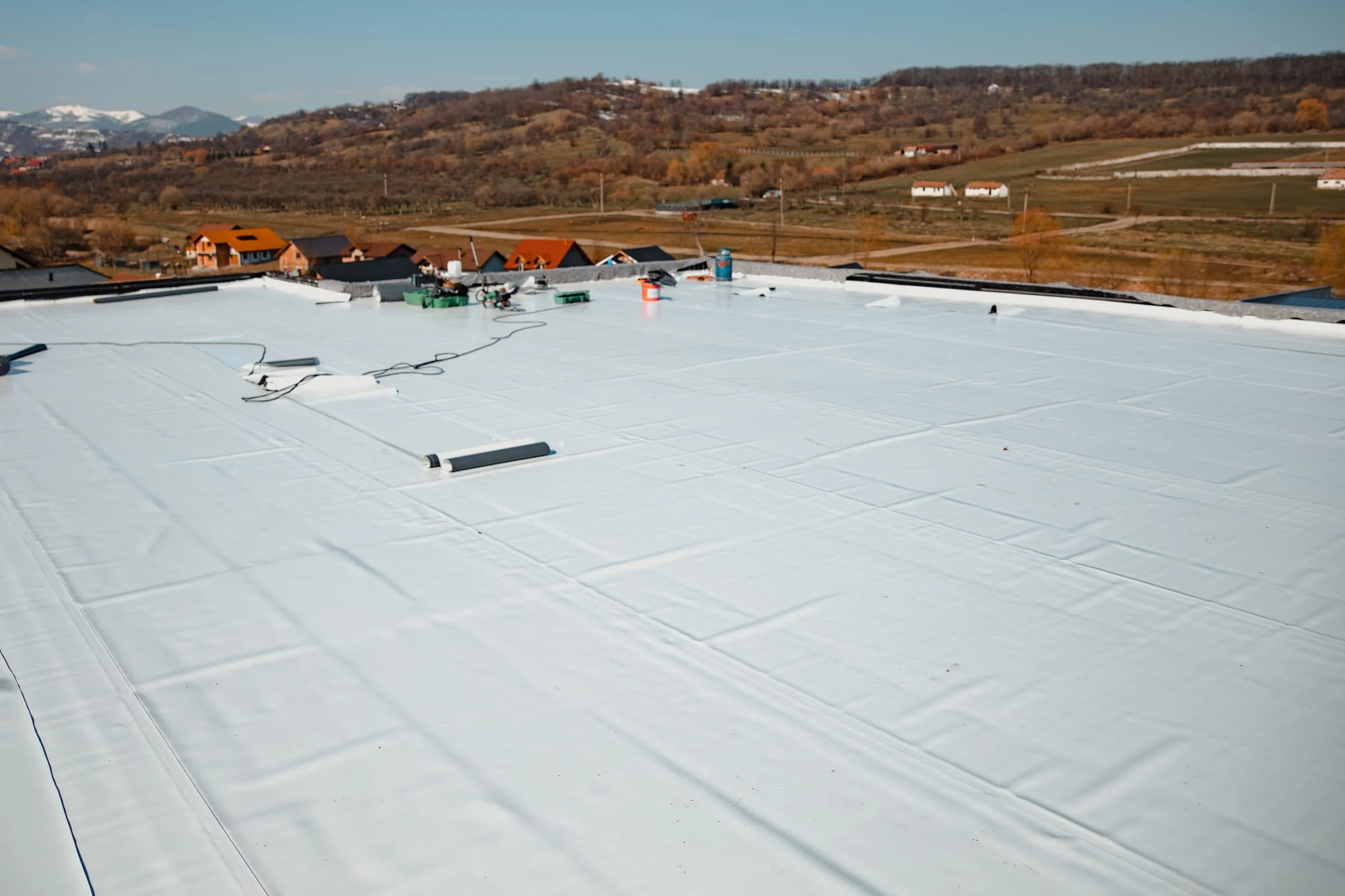
PVC Roofing in Salem, OR: Roofing Detail
PVC Roofing for Grease, Steam, and Chemical Exposure in Salem
PVC is the membrane we recommend when a roof deals with something most single-ply systems weren't built for - grease-laden exhaust from a commercial kitchen, chemical fumes from a processing operation, or oils and solvents that would degrade a standard TPO or EPDM membrane over time.
Chemical and Grease Resistance Owners Actually Need
Salem's food and agricultural processing sector - tied to the valley's hop, berry, mint, and hazelnut crops, plus the frozen and packaged food operations that grew up alongside them - puts roof-mounted exhaust and grease-trap venting on buildings that a standard membrane isn't rated to handle long-term. PVC resists petroleum-based grease and many common processing chemicals far better than TPO, which can soften and degrade under sustained exposure to those same substances.
We see the same exposure issue on a smaller scale at restaurant-anchored retail strips and hospital kitchen facilities, where grease-laden exhaust vents directly onto or near the roof surface. A single rooftop exhaust fan running twelve hours a day can degrade an unprotected membrane in the surrounding few feet years ahead of the rest of the roof, which is why we treat that zone as its own material decision rather than an afterthought of the broader spec.
Processing plants along the valley's ag corridors also deal with steam venting from cooking, blanching, and drying operations, which behaves differently than a simple grease exhaust plume. Sustained steam exposure raises the surface temperature of the membrane around the vent and accelerates aging in that localized area, so we detail those zones with the same care we give a grease-exposed roof section.
High-Frequency Welding for a Cleaner Seam
PVC seams are typically welded with higher heat and frequency settings than TPO, producing a bond that holds up under the kind of chemical exposure that would compromise a lower-grade seam. That matters most around roof penetrations near exhaust fans, where seam integrity gets tested by both moisture and airborne contaminants at the same time, day after day, for as long as the equipment keeps running above it.
Fire Resistance on Institutional Buildings
PVC's inherent fire resistance is a genuine advantage on certain institutional projects - state agency buildings, healthcare facilities, and schools where code requirements around fire classification carry real weight in the material selection process. It's one of the reasons PVC shows up more often on public-sector specifications than a straight cost comparison with TPO would suggest.
We've seen fire classification requirements catch owners off guard mid-project when a design team specified a membrane without checking it against the building's occupancy classification. Confirming that detail before ordering material, rather than after a roof is already scheduled for installation, avoids a costly last-minute substitution.
- Kitchen and processing-exhaust roof zones near grease and oil exposure
- Healthcare and institutional roofs with fire-classification requirements
- Roof areas adjacent to rooftop chemical or fuel storage
- Reinforced PVC for high-traffic mechanical service areas
- Detail work around processing-plant exhaust stacks and hoods
Where PVC Costs More Than It's Worth
PVC isn't the right call for every roof, and we won't sell it as one. On a straightforward warehouse or retail roof with no unusual chemical or grease exposure, the cost premium over TPO rarely pays back a benefit the building will ever actually use. We'll spec PVC specifically for the zones that need it - sometimes that means PVC around exhaust penetrations and TPO across the rest of the same roof - rather than defaulting to the more expensive system across an entire field.
That hybrid approach takes more planning at the transition seams between the two membrane types, since PVC and TPO don't weld to each other directly and need a proper transition strip detail to stay watertight. It's more work up front, but it lets an owner pay for chemical resistance only where the building actually generates that exposure. We map those transition lines on the roof plan before installation begins, so anyone servicing the roof later, whether that's our crew on a repair call or a future contractor entirely, can see exactly where one membrane type stops and the other starts.
Questions About PVC Roofing in Salem
Is PVC worth the extra cost over TPO?
Only where the roof faces grease, chemical, or fire-classification requirements that TPO doesn't handle as well. For a standard low-exposure roof, TPO is usually the better value.
Can PVC and TPO be combined on the same roof?
Yes, though it requires careful transition detailing at the boundary. We do this on processing and kitchen-anchored buildings where only part of the roof sees chemical exposure.
How does PVC hold up in Salem's wet winters?
Well - its welded seams perform similarly to TPO under sustained moisture, and the material itself isn't affected by cold, wet cycling any differently than other quality single-ply membranes.
Does PVC need different maintenance than TPO?
Not fundamentally, though roofs with grease or chemical exposure need more frequent seam and surface inspection regardless of membrane type, since that exposure accelerates wear faster than weather alone, particularly around exhaust hoods and vent stacks.
Is PVC required by code on hospital roofs here?
Not universally, but fire classification requirements on specific institutional projects sometimes point toward PVC. We review the applicable code with the design team before recommending a system, since the answer can vary by occupancy type, roof assembly, and the specific jurisdiction's adopted building code edition.
Assessment Priorities
Membrane condition, seams, flashings, penetrations, drains, scuppers, edge metal, rooftop equipment, traffic patterns, and visible moisture evidence are reviewed together before a repair, coating, recover, or replacement path is recommended.
Planning Around the Facility
Access, staging, noise, odor, delivery windows, weather protection, occupied spaces, interior protection, and daily dry-in procedures are planned for the way the commercial property must continue operating.
From Findings to a Clear Scope
Observed conditions are documented so building owners and facility teams can compare immediate repairs, maintenance priorities, system options, budget timing, and closeout requirements without losing sight of the building below the deck.
Ready to review the roof scope?
Commercial Roofing Services
1 of 2

Commercial Roofing Across the Salem Area