Roof Drains & Scuppers in Salem, OR
Commercial Roofing ServicesServing Salem and the central Willamette Valley
Request a Roof Assessment
Commercial roofing in Salem, Oregon
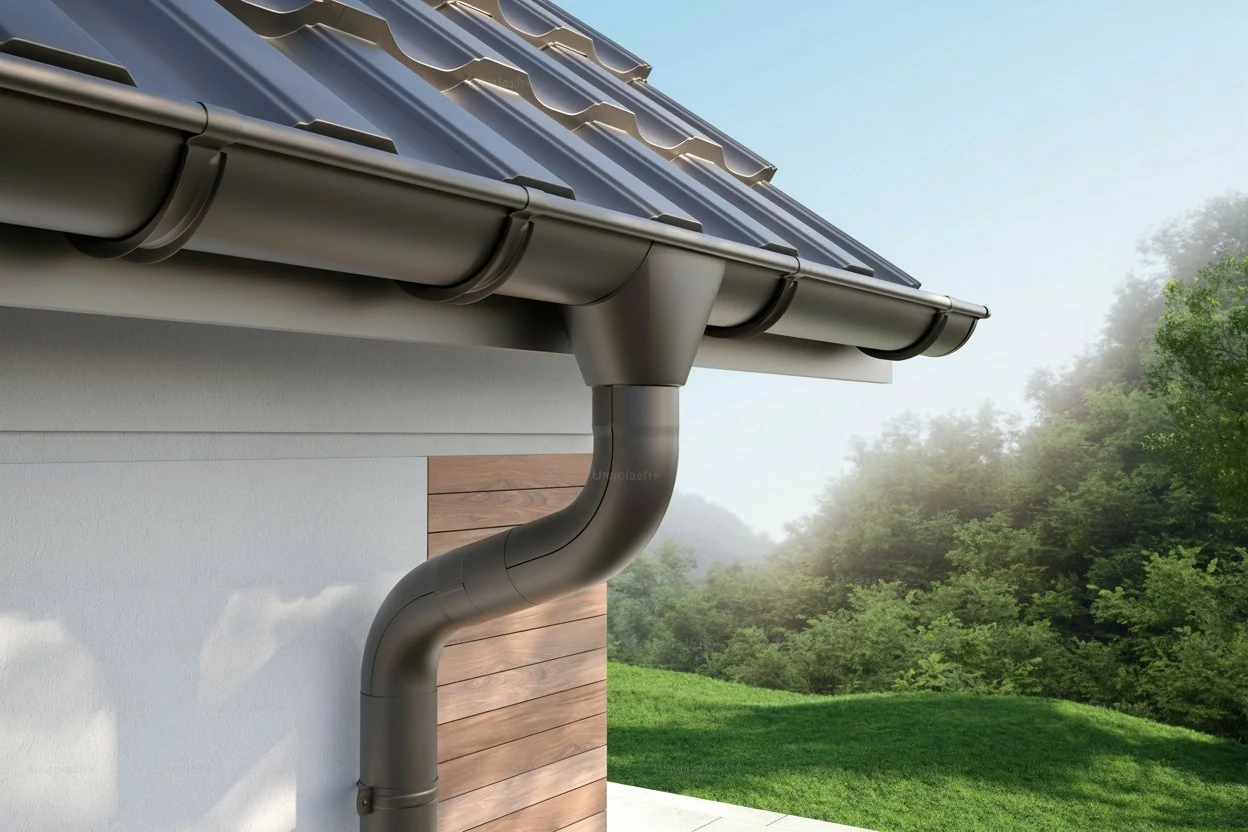
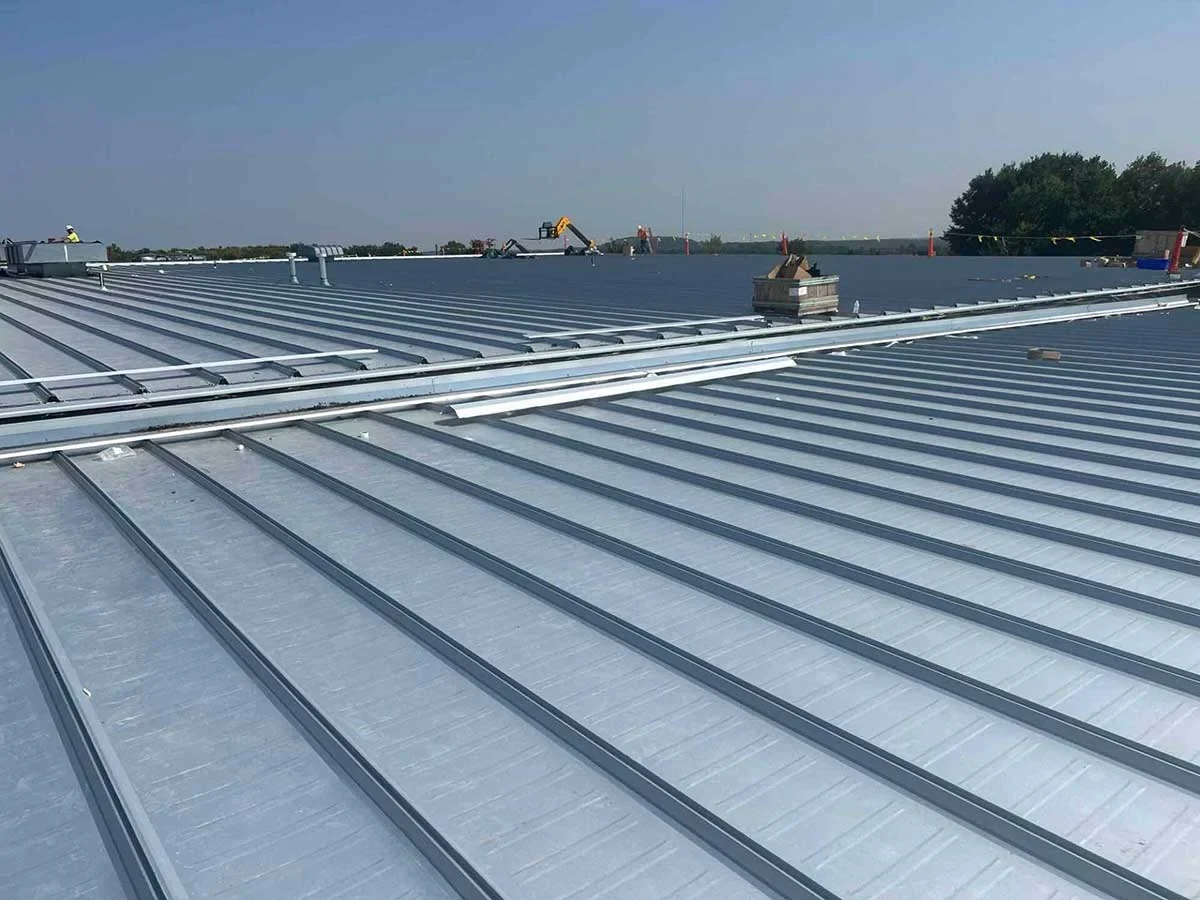
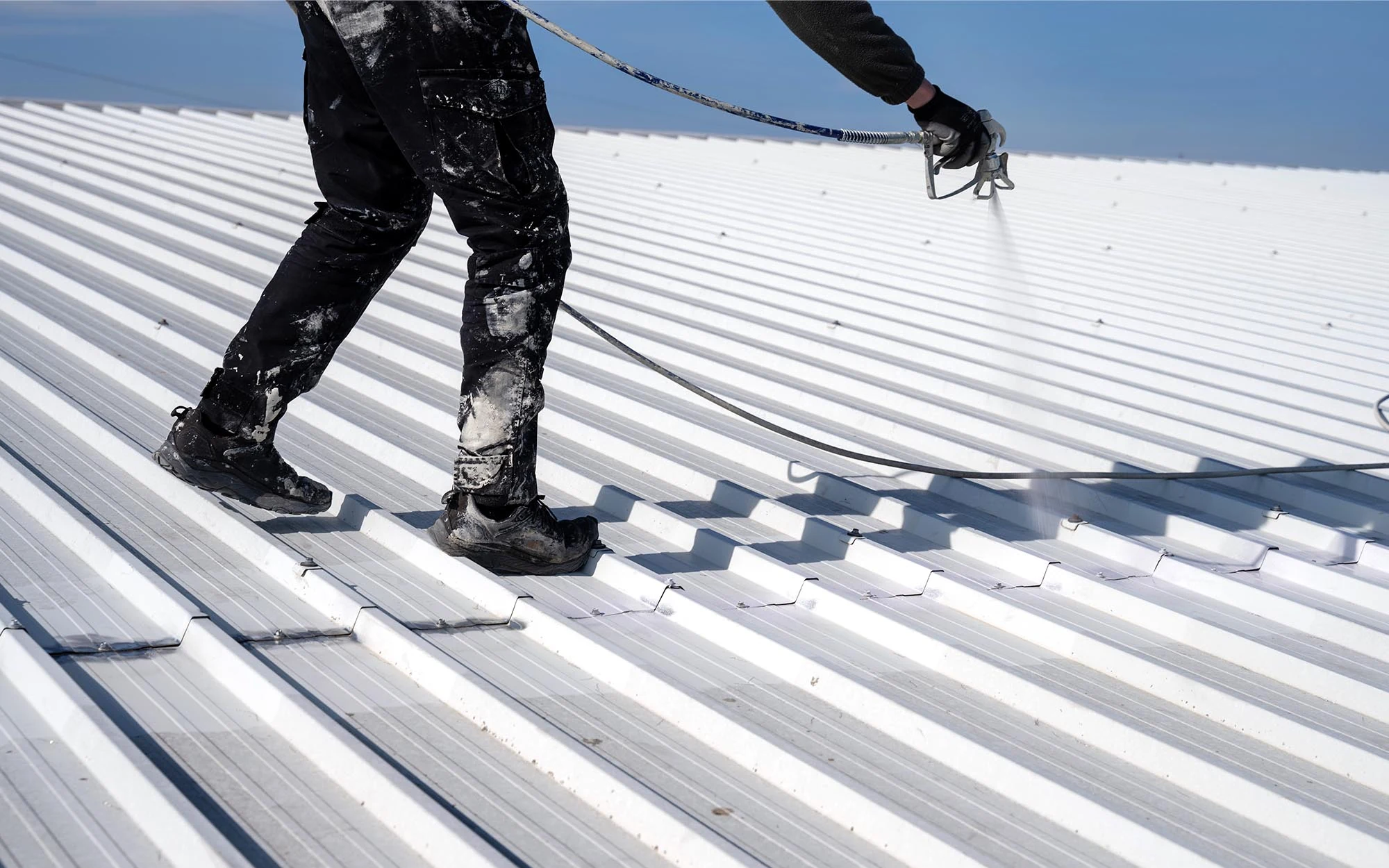
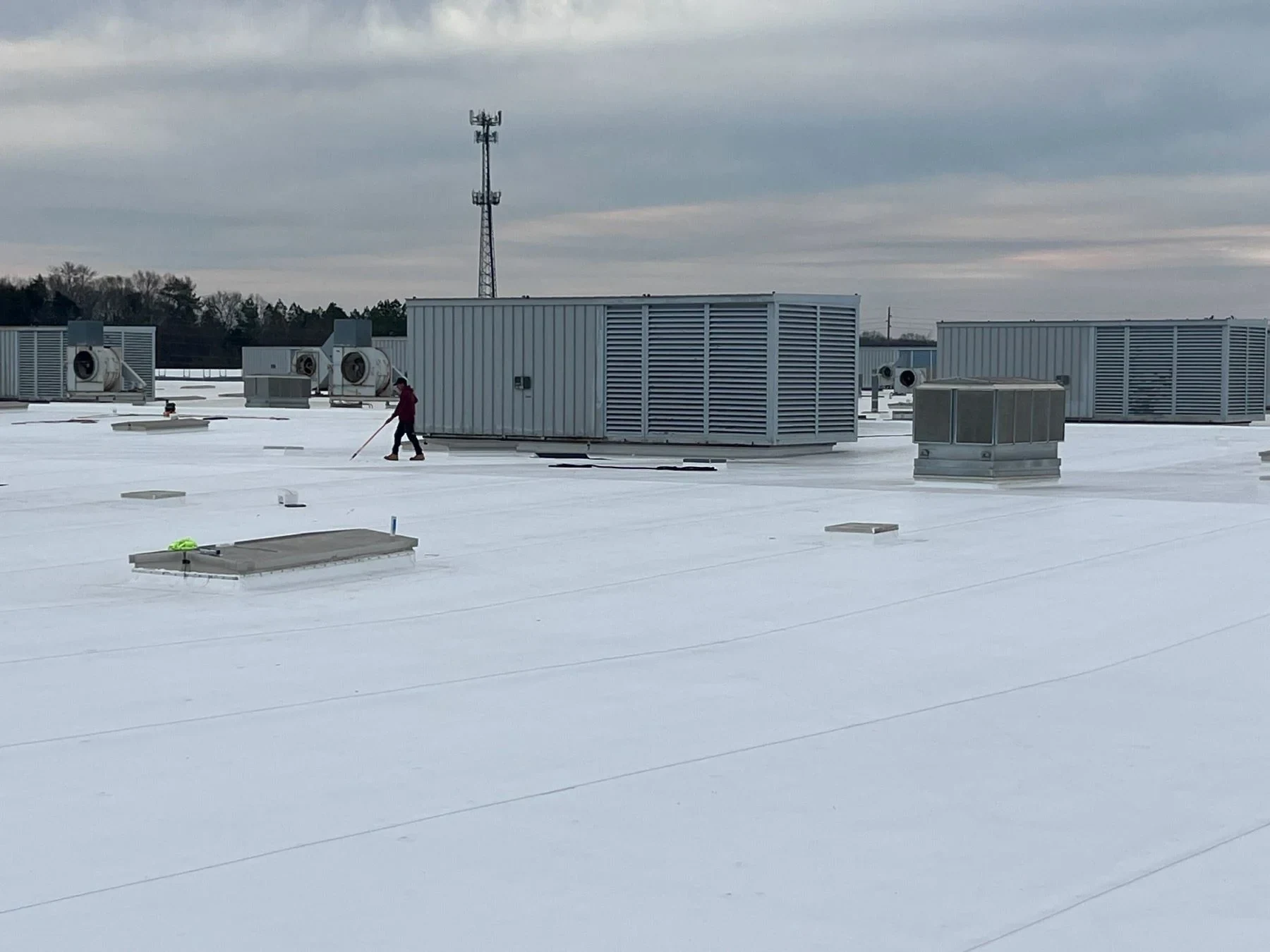
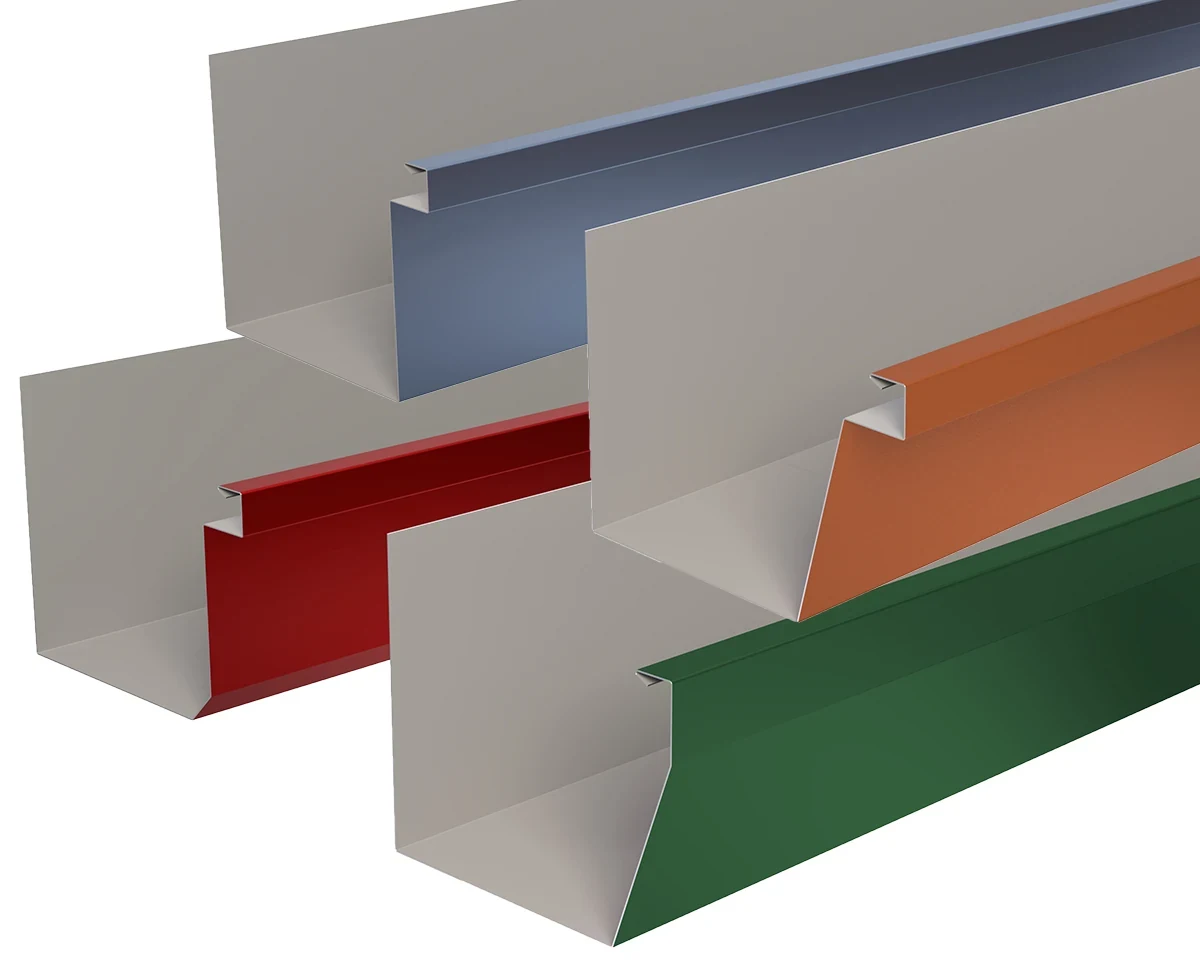
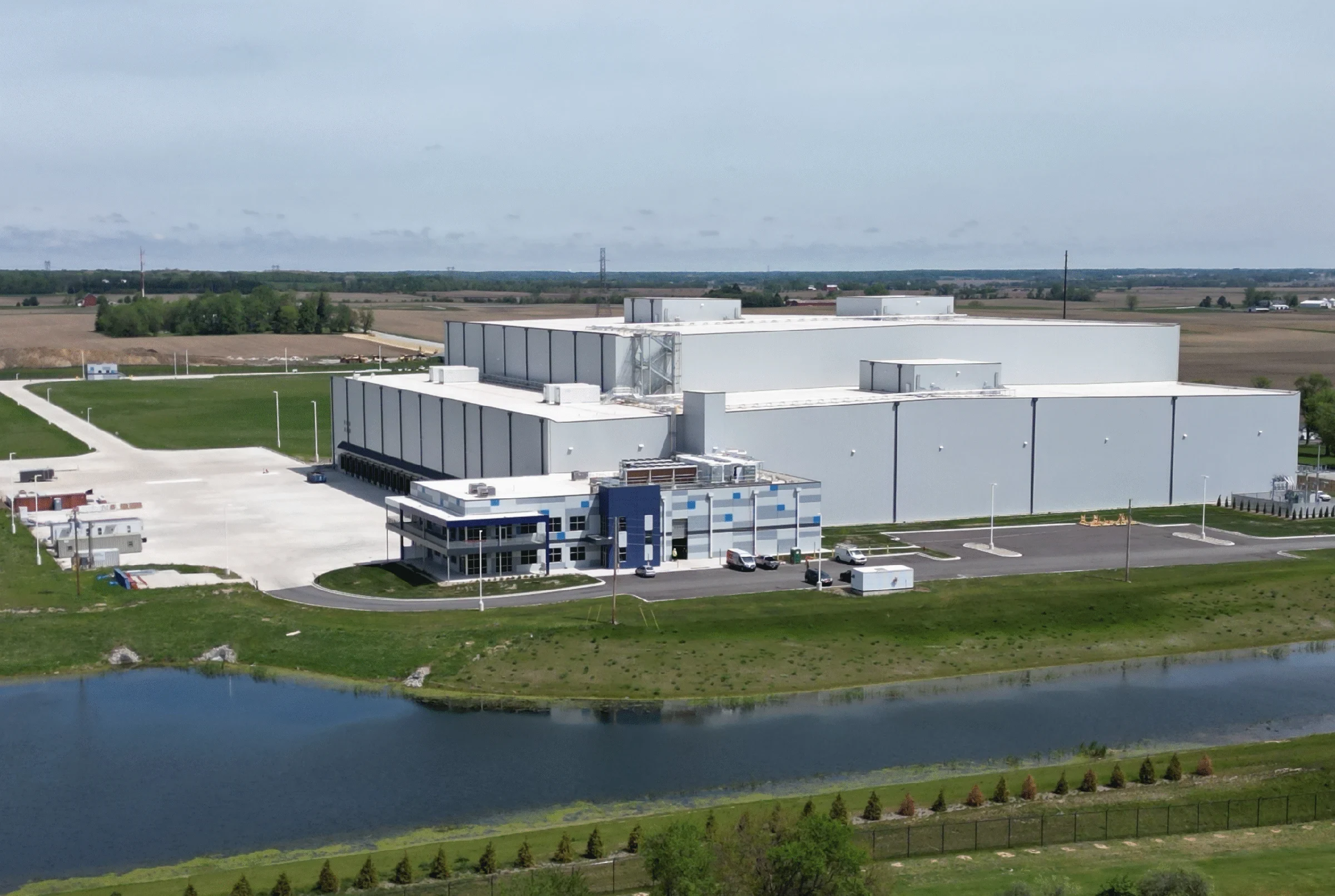
Roof drains and scuppers in Salem, OR: sizing and maintaining drainage for sustained wet-season rain, and what standing water does to a flat commercial membrane.
Commercial Roofing Assessment Framework
Document
Membrane and seams
Trace
Drainage and water paths
Review
Flashings and penetrations
Compare
Repair, recover, coating, replacement
Plan
Access, staging, weather protection
Protect
Occupants, equipment, and operations
Close Out
Photos, details, records, priorities
Roof Drains & Scuppers in Salem, OR: Roofing Detail
Why Drainage Is the Central Question on Every Flat Salem Roof
On a low-slope commercial roof in a climate that stays wet nine months a year, drainage isn't one item on an inspection checklist, it's close to the whole conversation. A roof with excellent membrane condition but a slow drain will still develop problems, and a roof with modest membrane wear but excellent drainage will often outlast it. We start most condition assessments here.
Standing Water Does Real Damage Even Without a Storm Event
Ponding water that sits on a membrane for more than 48 hours starts to accelerate UV and material breakdown at that specific spot, even on membranes rated to tolerate some ponding. In a climate where a roof might see a low point stay wet for a week or more during a sustained rain stretch, that accelerated wear compounds year over year in a way it wouldn't in a drier market with only occasional standing water.
Ponding also adds real weight to a roof structure. A low spot holding several inches of water across a meaningful area is carrying substantial additional load, and on older buildings with any existing structural concerns, that's not a detail to ignore.
Internal Drains Versus Scuppers, and Why the Choice Matters
Internal drains route water through the building's interior piping and tend to be less visible for maintenance, which is exactly why they get neglected until a clog causes a backup. Scuppers, which drain through the parapet wall to exterior downspouts or splash areas, are easier to inspect visually but can be undersized on older buildings that were designed for less roof area or a different climate assumption than they're now serving.
We see both systems across Salem's commercial stock, and the maintenance approach differs for each. Internal drains need a strainer check and periodic camera inspection of the connected piping where accessible. Scuppers need a straightforward visual and flow check but are more exposed to debris blockage from nearby trees and roofing granule buildup over time.
What Clogs a Drain in This Market
Moss and organic debris are the leading cause of slow drains on Salem roofs, building up gradually on shaded or north-facing roof sections and washing toward low points during rain. Grass seed and agricultural dust common to the Willamette Valley's farming economy also settle on roofs near warehouse and distribution buildings closer to the valley's ag-processing corridors, adding to debris load faster than a typical retail roof would see.
Roofing granule loss from aging membrane is another quiet contributor. As a modified bitumen or built-up roof ages, granule washes toward drains and scuppers and accumulates at strainers, reducing flow gradually enough that nobody notices until a heavier rain event exposes the restriction.
- Strainer and drain bowl clearing at every scheduled maintenance visit
- Flow test during or shortly after active rain, beyond a dry-weather visual check
- Standing water mapping to flag any low point holding water past 48 hours
- Scupper opening and downspout check for debris restriction or granule buildup
- Structural note on any low spot carrying significant ponding weight across a large area
- Camera inspection of accessible internal drain piping where recurring backups are reported
When Drainage Problems Mean More Than a Cleaning
A drain that clogs repeatedly at the same spot despite regular clearing usually points to a low spot in the roof deck itself rather than a maintenance gap. In that case, cleaning the drain over and over treats the symptom without addressing the deflection causing water to collect there in the first place. We flag this distinction directly, because a facility manager who's been told to "just keep clearing it" for years may actually need a tapered insulation fix or a deck-leveling repair to solve the real problem.
For food-processing buildings where roof drainage connects to site stormwater systems with capacity requirements, we also confirm roof drainage isn't contributing to a downstream compliance issue, coordinating with the building's civil or facilities team where relevant.
Sizing Drainage for Salem's Rain Pattern
A drainage system designed decades ago for a smaller roof area or an older code standard can be genuinely undersized for what today's storms deliver over a sustained event, even if no single failure has happened yet. When we find a drain or scupper running at capacity during an ordinary winter storm, well short of an extreme one, that's a sizing problem rather than a maintenance problem, and no amount of clearing debris will fix it.
In those cases we look at whether adding a secondary overflow scupper or increasing drain capacity in a specific low zone makes more sense than trying to force more flow through an undersized primary system. That's a bigger conversation than routine maintenance, but it's the honest answer when a roof keeps ponding despite clean, clear drains.
Drainage Questions We Get From Salem Owners
How often do roof drains need to be cleared here?
We recommend checking at every maintenance visit, typically twice a year at minimum, more often for buildings with overhanging trees or heavy debris exposure.
Is standing water on a flat roof always a problem?
Water that drains within 48 hours is generally tolerated by most modern membranes. Water sitting longer than that accelerates wear at that spot and adds structural load worth investigating.
Why does the same drain keep clogging even after cleaning?
That usually means there's a low spot in the deck causing water to collect at that exact location regardless of debris. Clearing the drain treats the symptom; fixing the low spot addresses the actual cause.
Are internal drains or scuppers better for a Salem roof?
Neither is inherently better; each has different maintenance needs. Internal drains hide problems until a backup occurs, while scuppers are easier to inspect but can be undersized on older buildings.
Can poor roof drainage cause structural issues?
Over time, yes. Repeated ponding adds sustained weight and can accelerate deck deterioration at that spot, which is why we flag persistent standing water as more than a cosmetic issue.
Assessment Priorities
Membrane condition, seams, flashings, penetrations, drains, scuppers, edge metal, rooftop equipment, traffic patterns, and visible moisture evidence are reviewed together before a repair, coating, recover, or replacement path is recommended.
Planning Around the Facility
Access, staging, noise, odor, delivery windows, weather protection, occupied spaces, interior protection, and daily dry-in procedures are planned for the way the commercial property must continue operating.
From Findings to a Clear Scope
Observed conditions are documented so building owners and facility teams can compare immediate repairs, maintenance priorities, system options, budget timing, and closeout requirements without losing sight of the building below the deck.
Ready to review the roof scope?
Commercial Roofing Services
1 of 2
Commercial Roofing Across the Salem Area