Snow & Ice Roof Damage Insurance Claims in Salem, OR
Commercial Roofing ServicesServing Salem and the central Willamette Valley
Request a Roof Assessment
Commercial roofing in Salem, Oregon
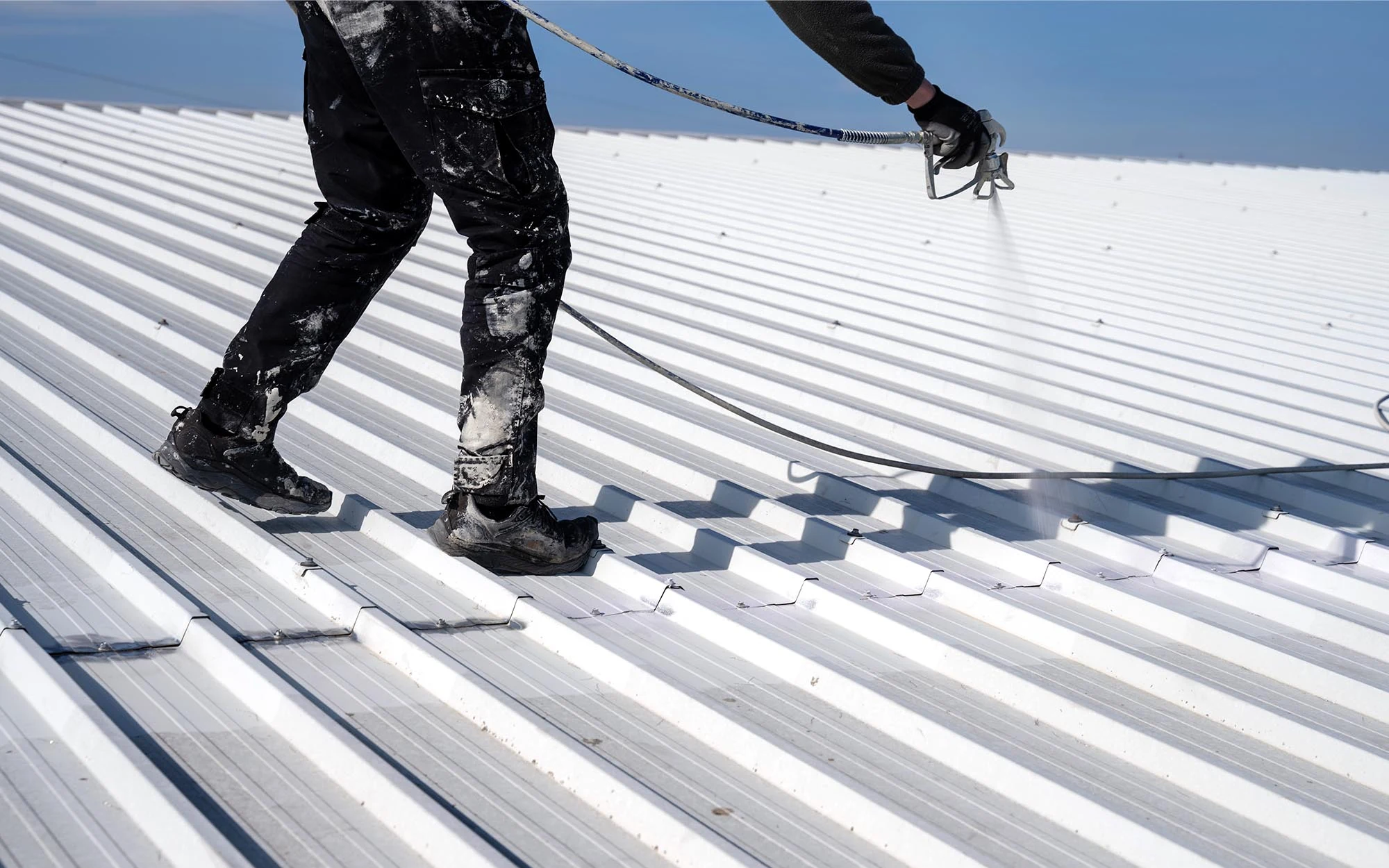
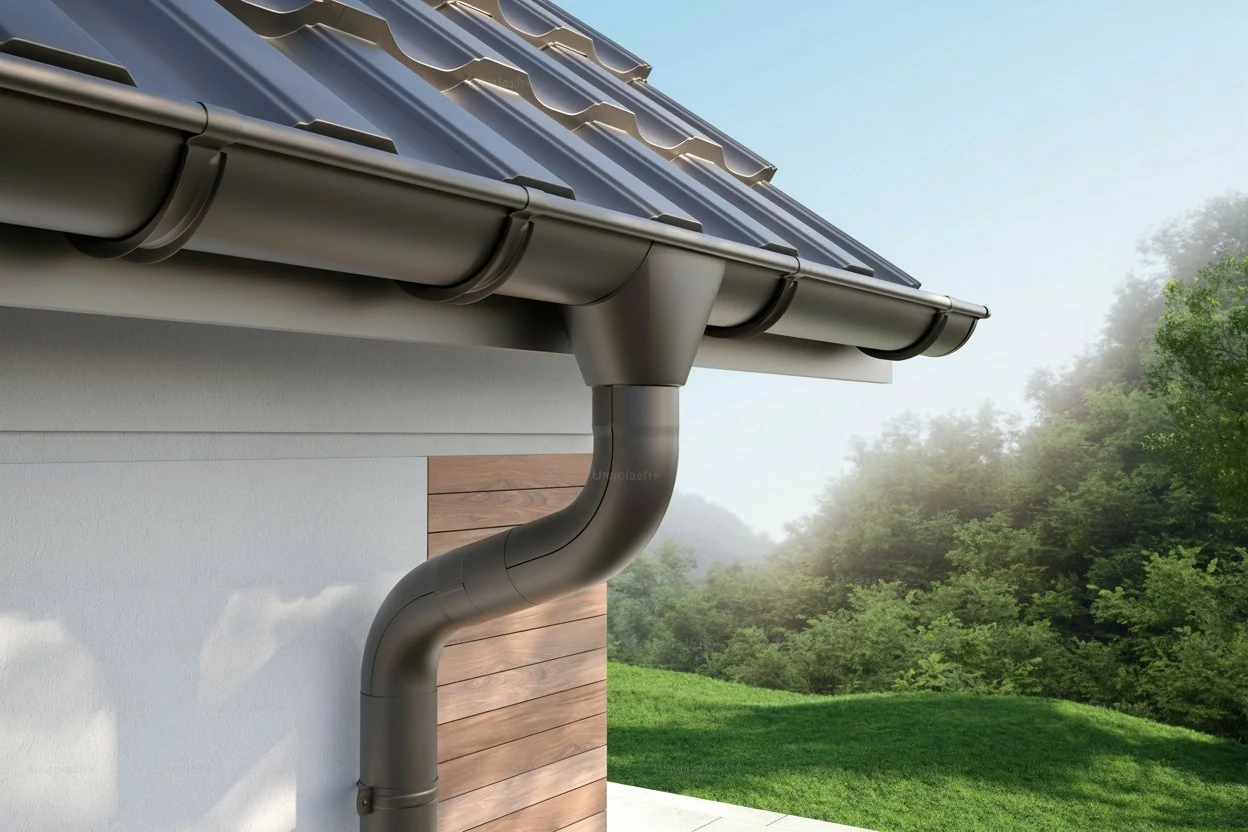
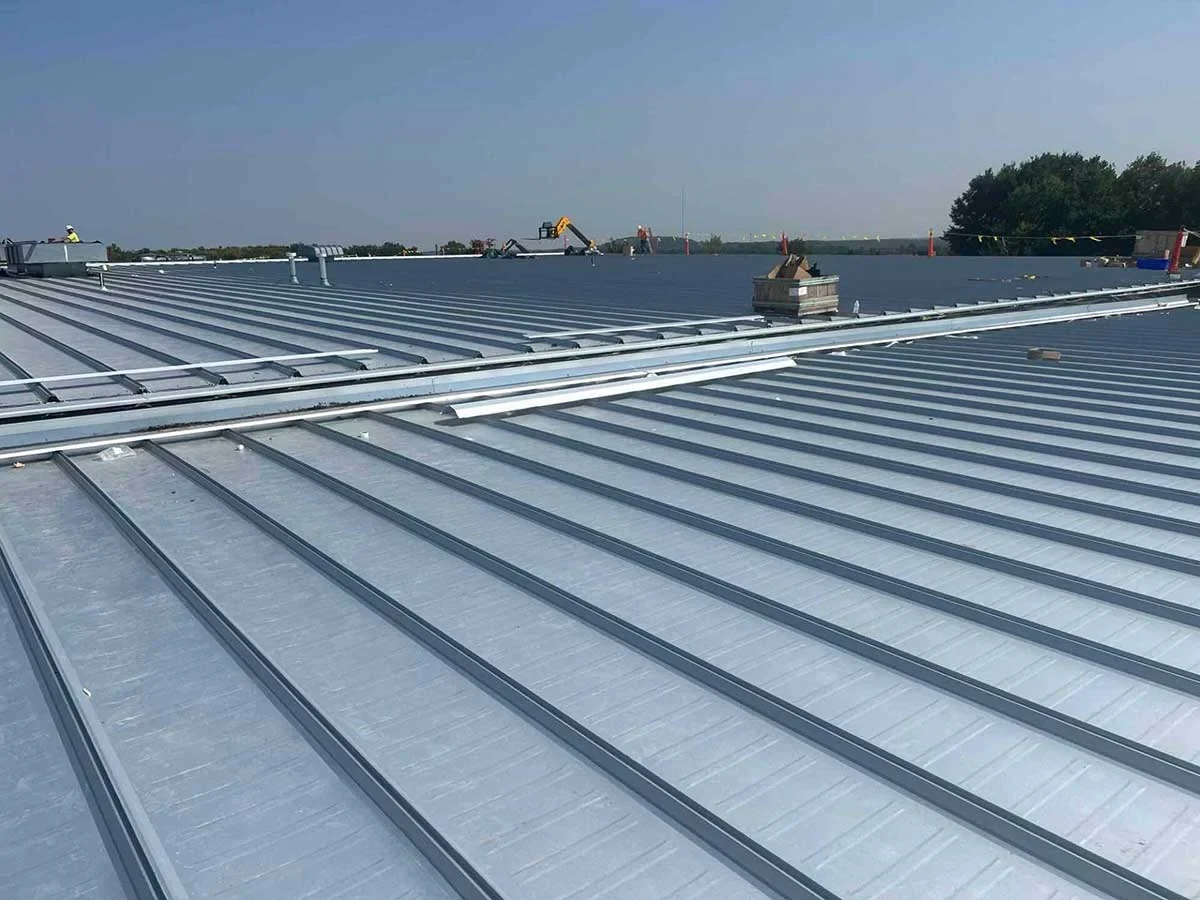
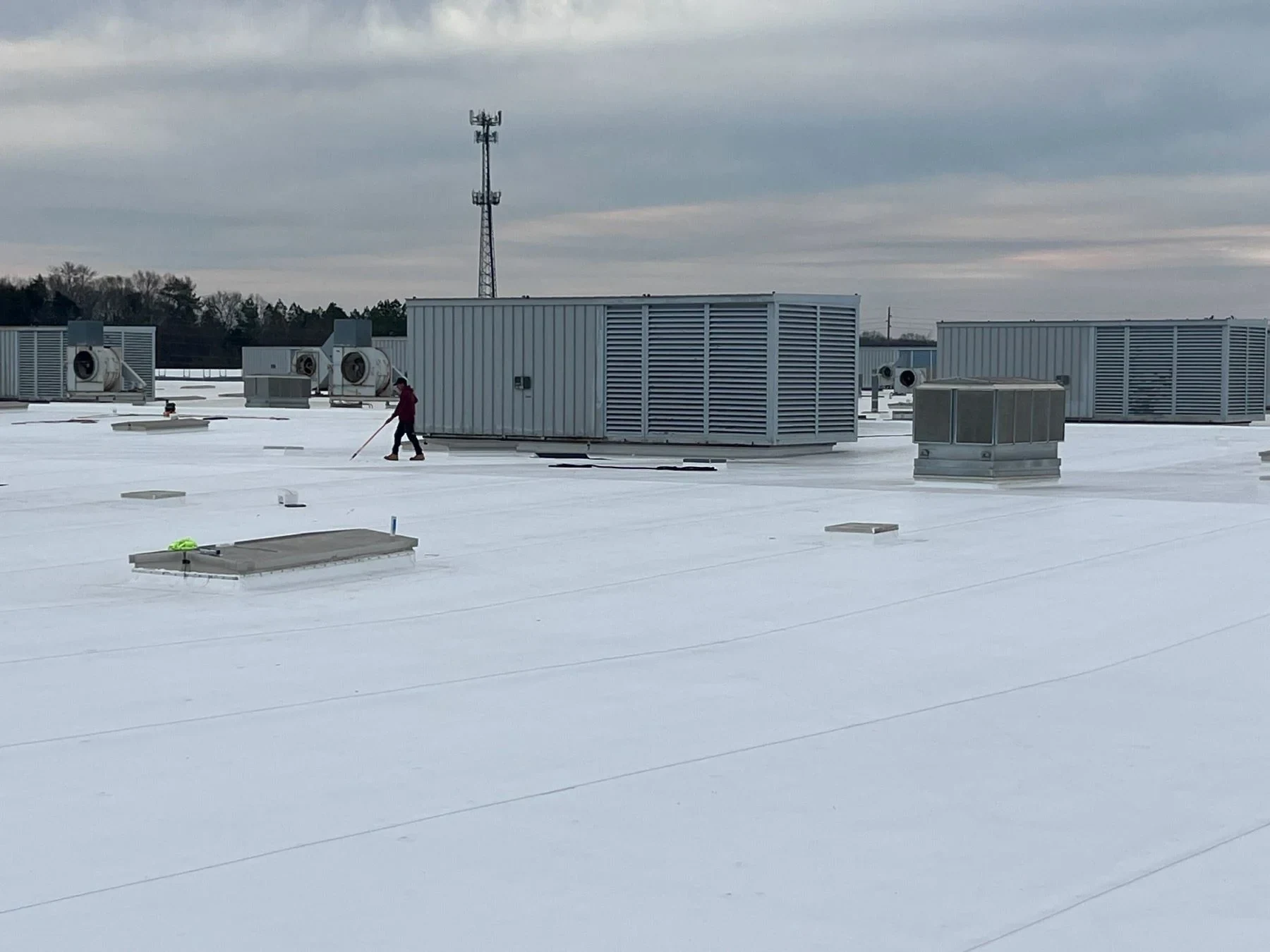
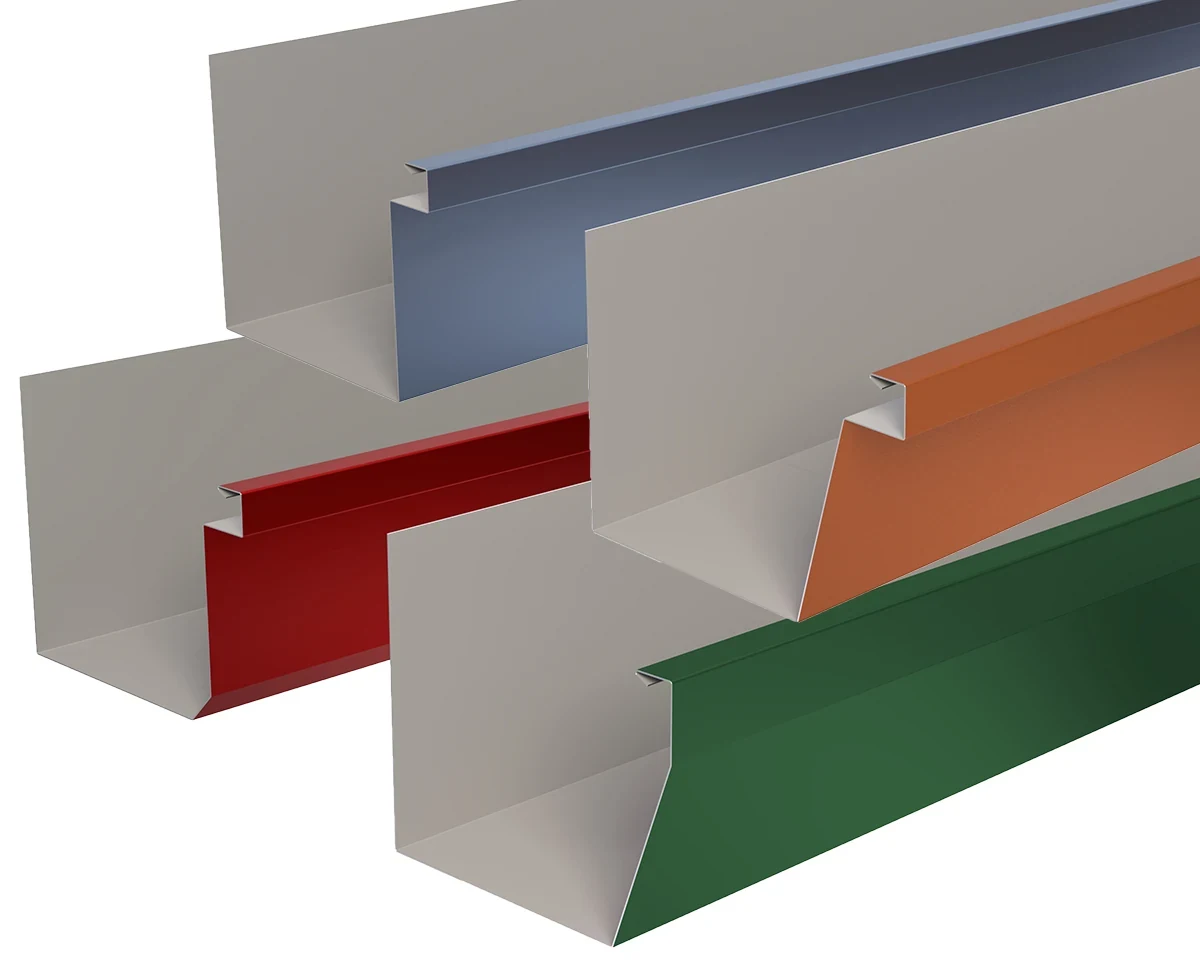
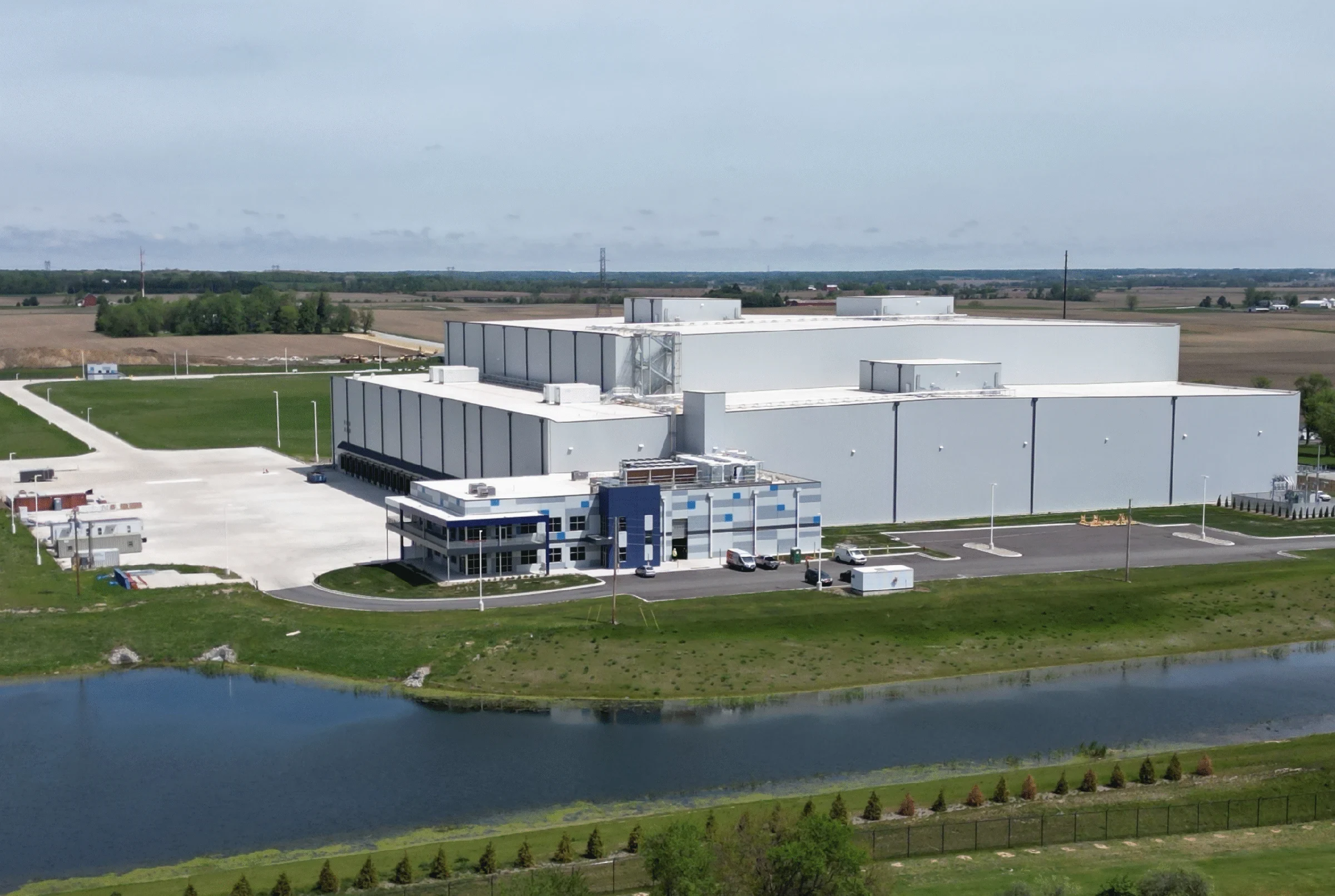
Snow and ice roof damage insurance claims in Salem, OR: documenting ice-storm limb impact, delayed leaks, and drainage failure on a commercial roof.
Commercial Roofing Assessment Framework
Document
Membrane and seams
Trace
Drainage and water paths
Review
Flashings and penetrations
Compare
Repair, recover, coating, replacement
Plan
Access, staging, weather protection
Protect
Occupants, equipment, and operations
Close Out
Photos, details, records, priorities
Snow & Ice Roof Damage Insurance Claims in Salem, OR: Roofing Detail
Snow & Ice Roof Damage Insurance Claims in Salem, OR
Salem doesn't plan around snow and ice the way a mountain town does, and that's exactly why it causes real damage when it shows up. Most winters bring nothing more than a passing frost, but every so often a cold air mass settles into the valley at the same time moisture moves in off the Pacific, and the result is freezing rain that coats trees, power lines, and roofs before it's cleared. Salem's most severe recent example was a multi-day ice storm that snapped limbs across the metro and left roofs carrying weight and impact damage they were never built for. Claims from events like that tend to be more complicated than a straightforward wind claim, because the damage is a mix of impact, weight, and water intrusion that shows up over days rather than all at once.
How Ice Storms Damage a Commercial Roof
Ice accumulation itself adds real weight to a low-slope membrane, more than most owners assume, and on a roof with marginal drainage that weight concentrates at low points and around drains rather than spreading evenly. The bigger damage source, though, is usually falling limbs: ice-coated branches breaking off overloaded trees and landing on the roof, puncturing membranes, denting metal panels, or cracking skylights and curbs. We see this most often on roofs near mature street trees and campus landscaping, common around Salem's downtown core, state government buildings, and older commercial corridors where large trees were planted decades before the roofs they now hang over.
What Documentation Needs to Capture
An ice-storm claim benefits from documentation that separates three things: the impact points from fallen debris, any deck or insulation damage found once a punctured membrane is opened up, and drainage performance during and after the event, since ice and slush can block a drain or scupper long enough to cause ponding damage that has nothing to do with the impact itself. We photograph limb strikes with the debris still present where it's safe to do so, since a photo of the branch next to the puncture it caused is far more convincing to an adjuster than a photo of the hole alone.
Damage That Shows Up After the Ice Melts
Not every ice-storm claim is obvious the day of the event. Water that worked into insulation during the storm can take days to show up as a ceiling stain once the ice melts and the roof warms back up, and a membrane that was stressed but not punctured during the event can start leaking weeks later once thermal cycling finishes the job the ice started. We tell owners to keep an eye on interior spaces for several weeks after any ice event rather than the day after alone, and we document delayed damage with the same dated, photographed standard as damage found immediately, noting the connection back to the original storm date.
Snow Load on Low-Slope Commercial Roofs
True snow accumulation is rarer here than ice, but it happens, particularly when a cold system tracks in from the Cascades rather than the coast, and wet valley snow is heavier per inch than the dry snow further east. On older built-up and modified bitumen roofs, especially ones with existing ponding areas, added snow weight can be enough to stress a membrane that was already marginal. We assess drainage and structural indicators along with the visible surface when a heavy snow event is part of a claim.
Institutional Roofs and Ice-Storm Response
State agency buildings, healthcare facilities, and school and campus roofs around Salem often can't wait for a full claim cycle before repairs start, since these buildings stay occupied through winter weather. We prioritize emergency dry-in on these roofs first, then complete the documentation for the claim once the building is stable, coordinating with facilities or risk-management staff who often have their own reporting format for storm events.
We're your roofing contractor for ice and snow damage assessment, not a public adjuster. We document what the roof shows and give you an honest repair scope; how your policy responds is a conversation between you and your insurer.
Snow and Ice Damage Claim Questions We Get
Will insurance cover roof damage from a fallen tree limb during an ice storm?
Impact damage from falling debris during a covered weather event is typically eligible, subject to your specific policy. We document the debris, the impact point, and the resulting damage to support that claim.
What if the damage doesn't show up until weeks after the ice storm?
Delayed leaks from ice-storm stress are common. Document the date you noticed the issue, and we'll inspect and tie the damage back to the original event where the evidence supports that connection.
Can ponding water from a blocked drain during an ice storm be part of the claim?
If ice or storm debris blocked drainage and caused water damage, that's part of the same event documentation. We note drain and scupper condition specifically when assessing ice-storm claims.
Do you provide emergency tarping during an ice storm, or only after?
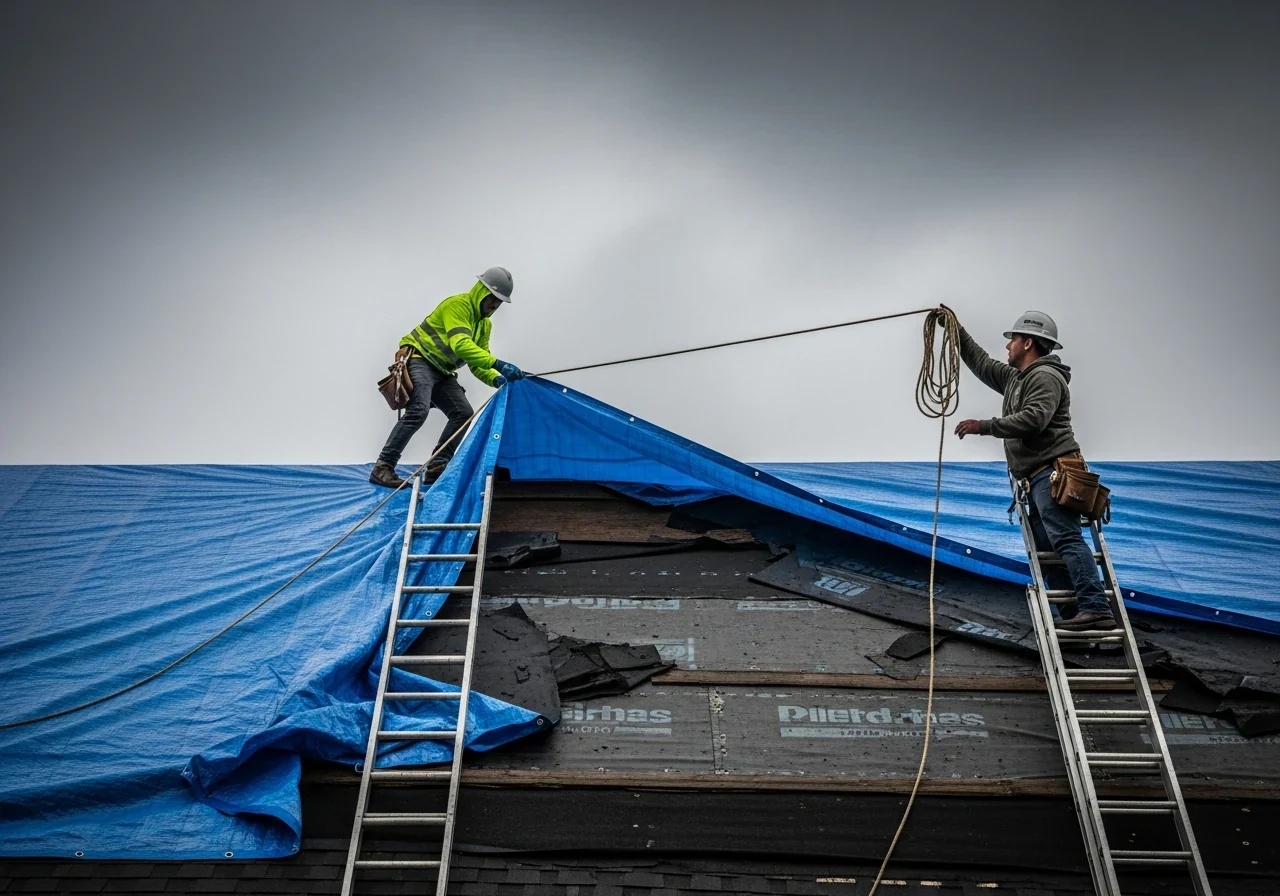
We prioritize emergency dry-in as soon as it's safe to access the roof, which can be during the tail end of an event once ice conditions allow safe access, and document the damage as part of the same response.
How is a snow-load claim different from a wind or ice claim?
Snow-load damage is usually about accumulated weight stressing the membrane and structure rather than a single impact point, so documentation focuses on drainage, ponding areas, and any visible deflection rather than a specific strike location.
Assessment Priorities
Membrane condition, seams, flashings, penetrations, drains, scuppers, edge metal, rooftop equipment, traffic patterns, and visible moisture evidence are reviewed together before a repair, coating, recover, or replacement path is recommended.
Planning Around the Facility
Access, staging, noise, odor, delivery windows, weather protection, occupied spaces, interior protection, and daily dry-in procedures are planned for the way the commercial property must continue operating.
From Findings to a Clear Scope
Observed conditions are documented so building owners and facility teams can compare immediate repairs, maintenance priorities, system options, budget timing, and closeout requirements without losing sight of the building below the deck.
Ready to review the roof scope?
Commercial Roofing Services
1 of 2
Commercial Roofing Across the Salem Area