Wind & Storm Damage Roof Insurance Claims in Salem, OR
Commercial Roofing ServicesServing Salem and the central Willamette Valley
Request a Roof Assessment
Commercial roofing in Salem, Oregon
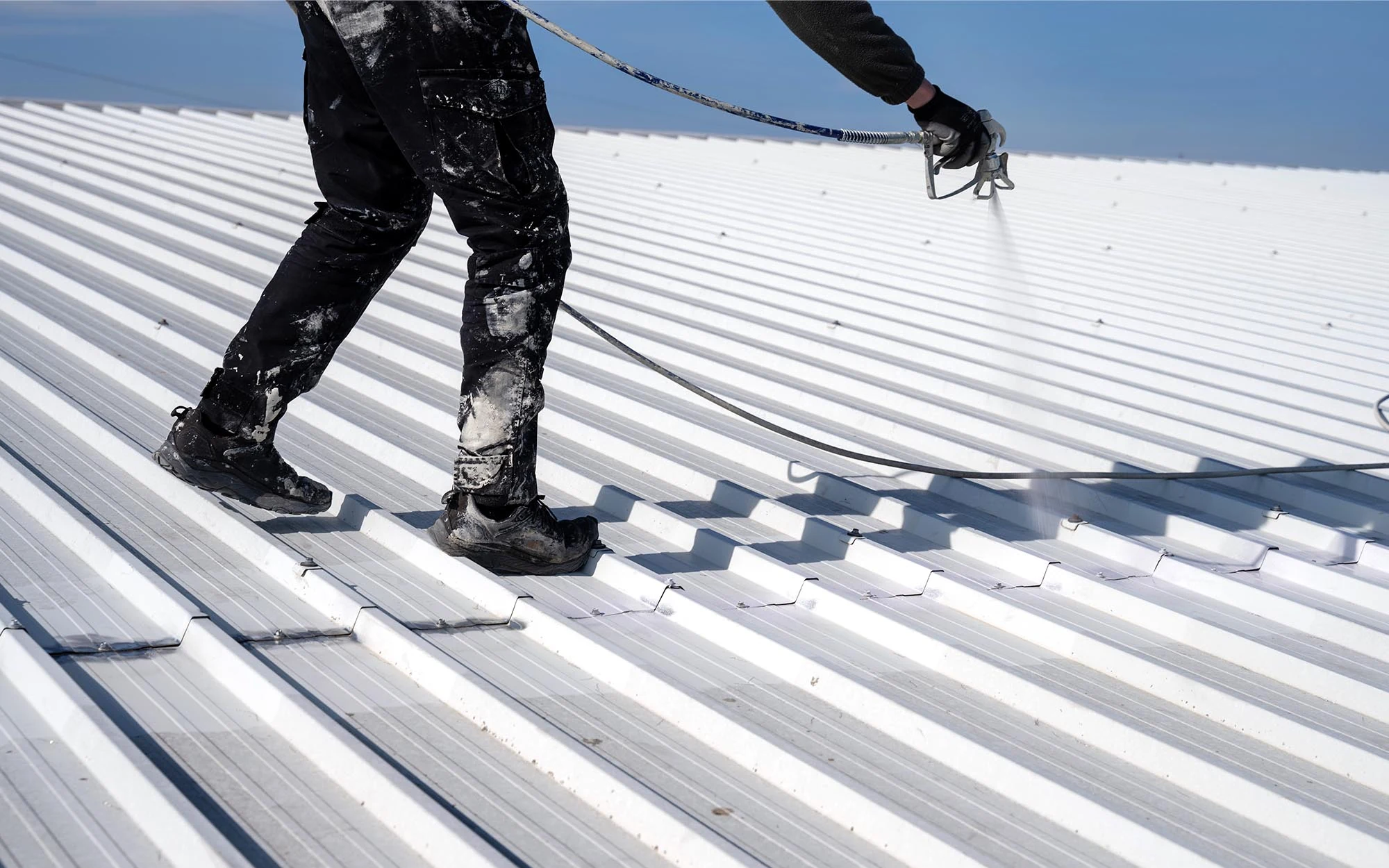
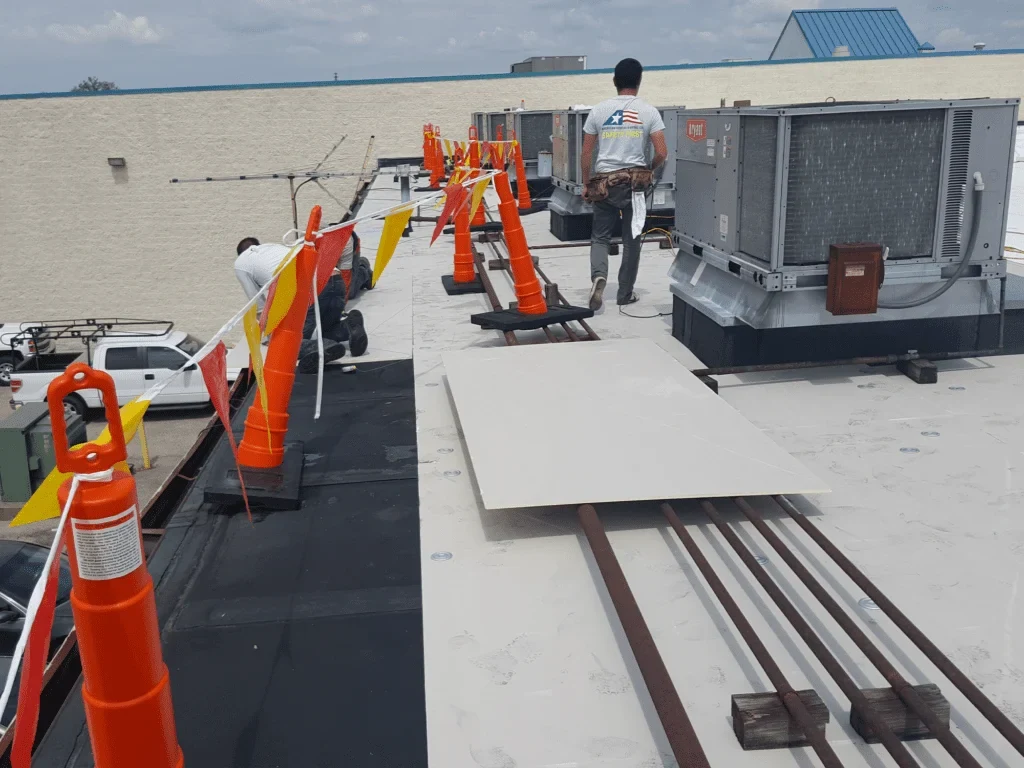
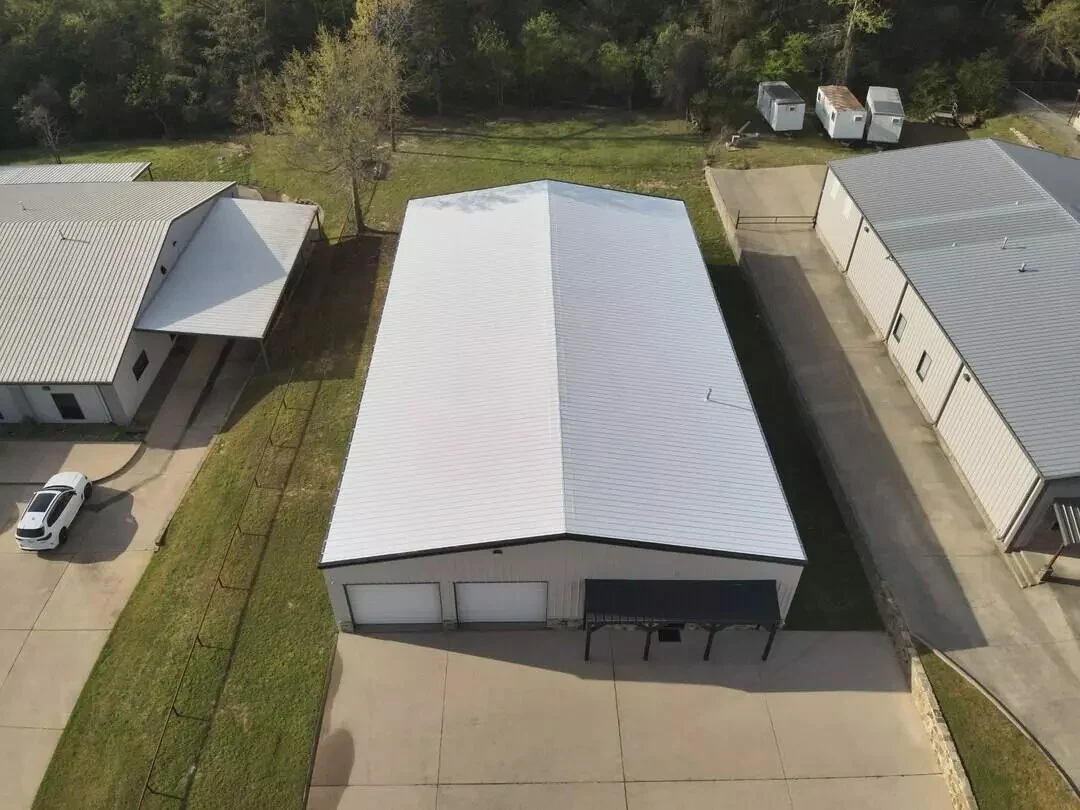
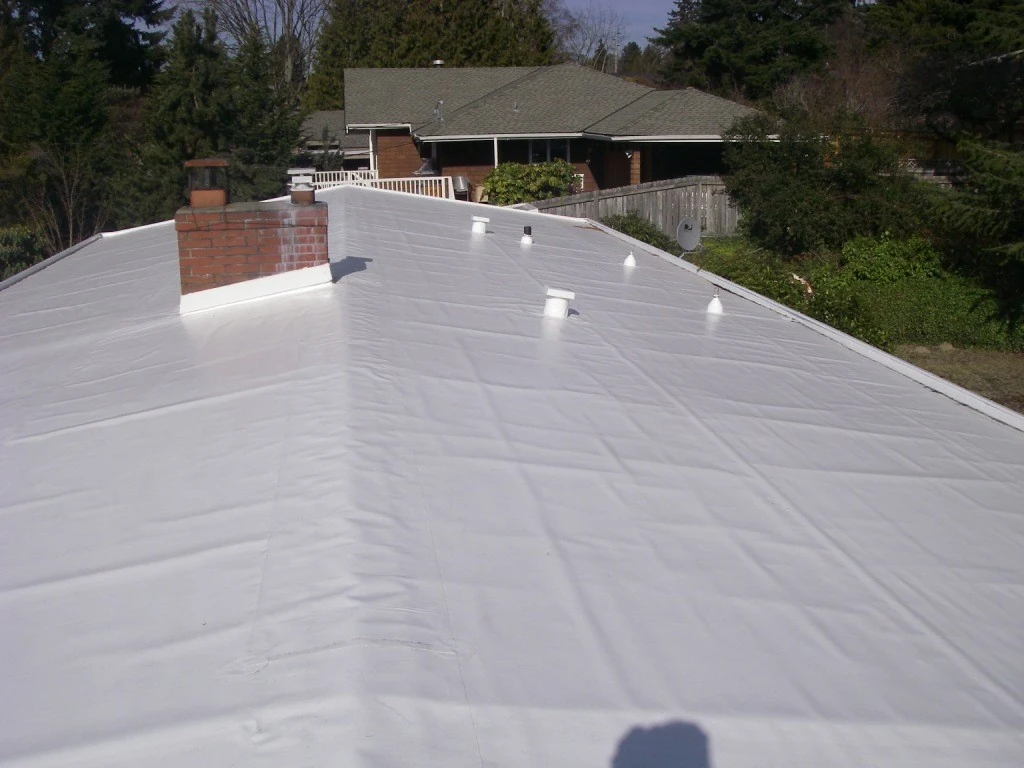
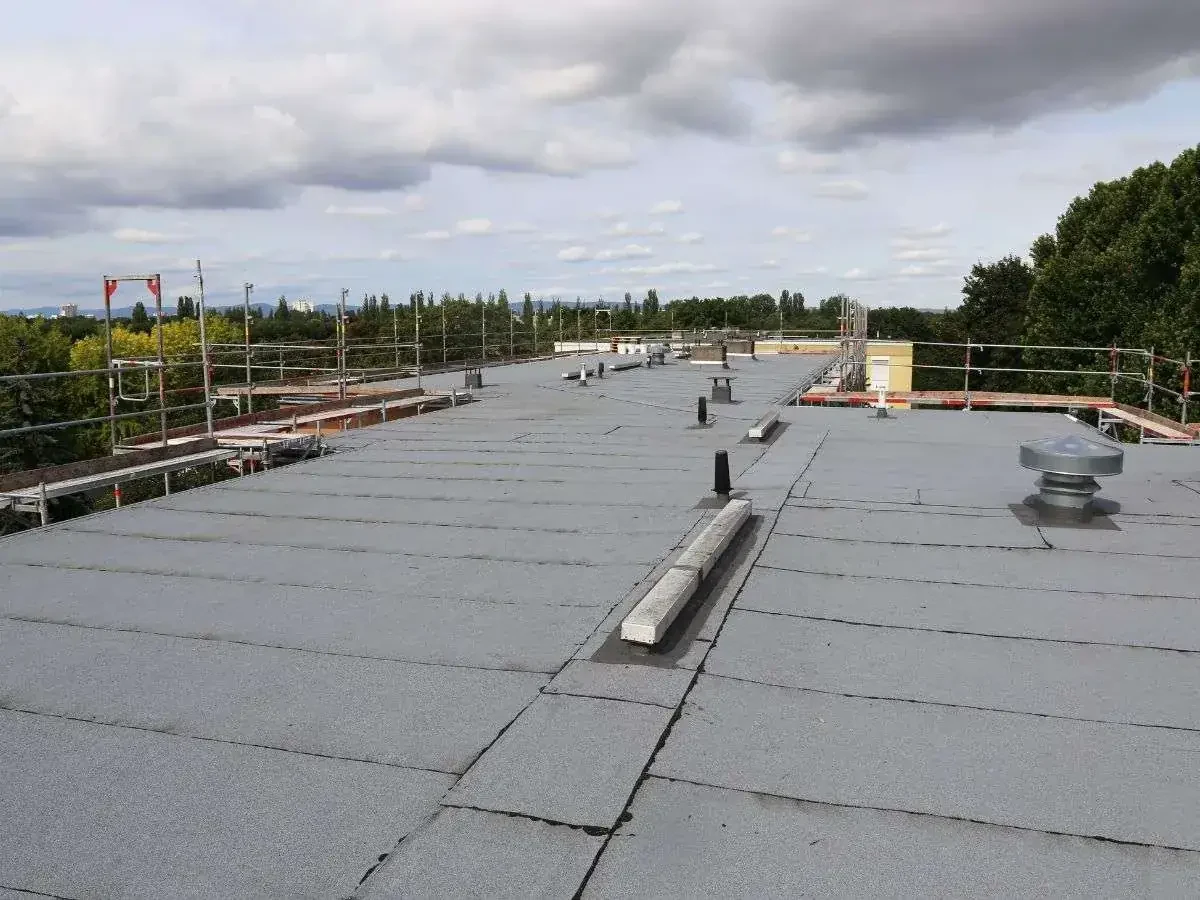
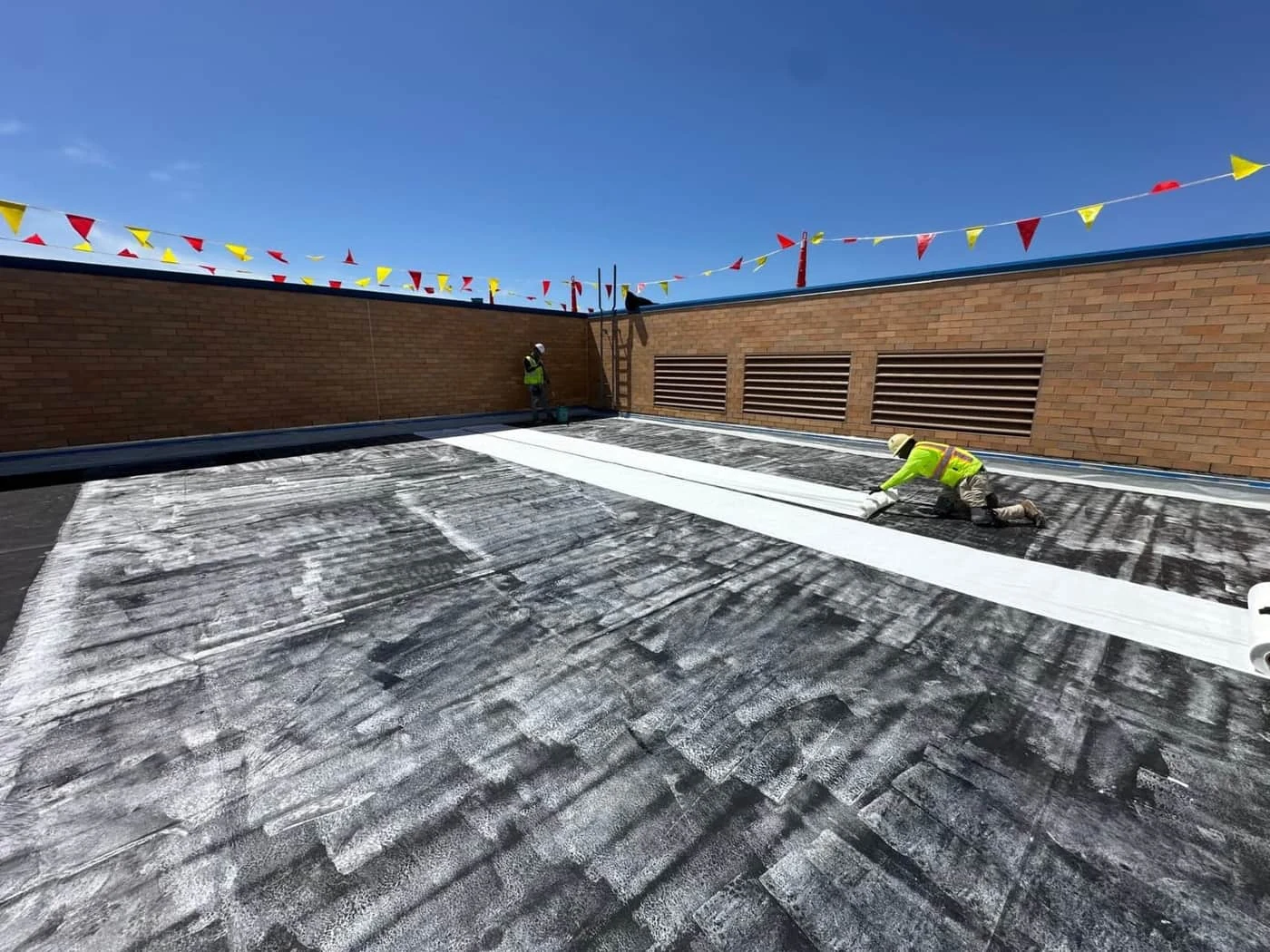
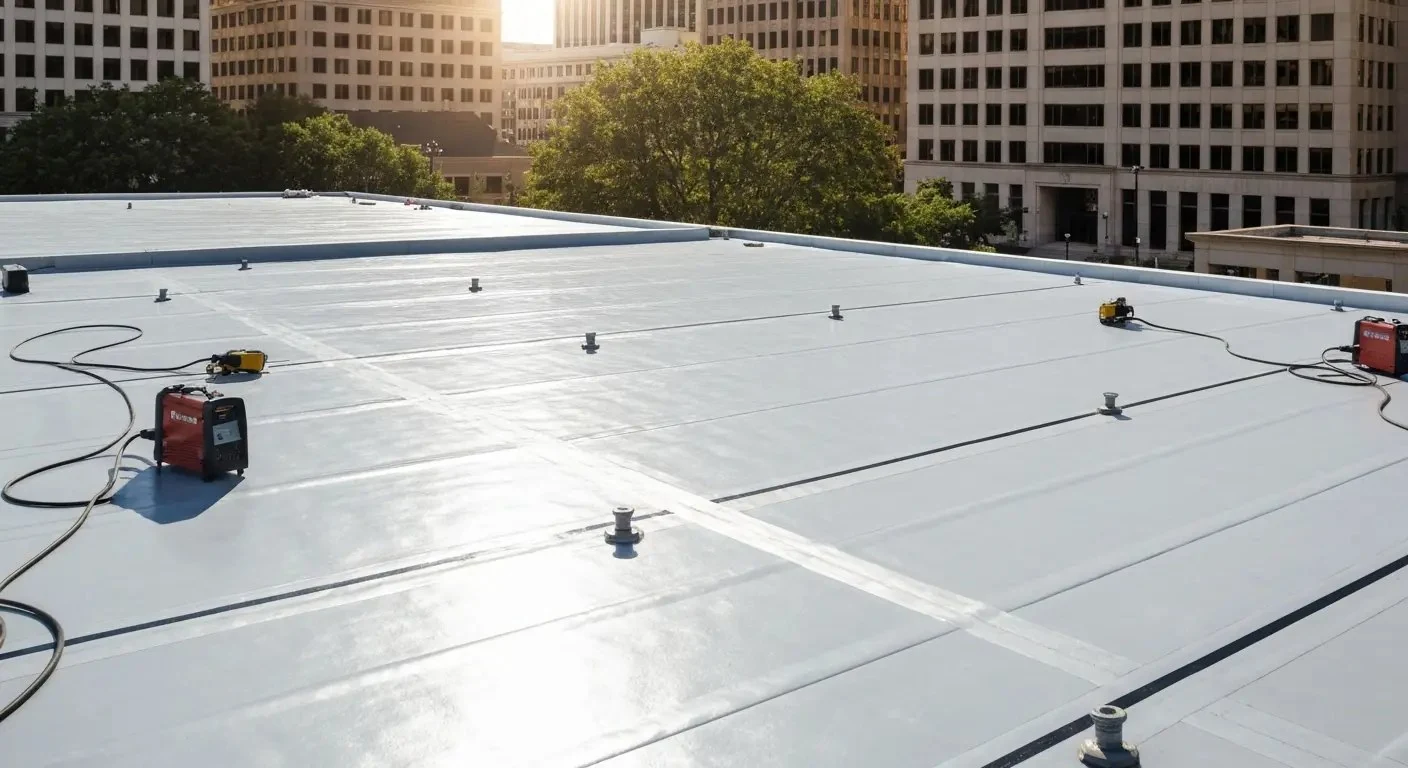
Wind and storm damage roof insurance claims in Salem, OR: documenting uplift, debris impact, and wind-driven rain on a Willamette Valley commercial roof.
Commercial Roofing Assessment Framework
Document
Membrane and seams
Trace
Drainage and water paths
Review
Flashings and penetrations
Compare
Repair, recover, coating, replacement
Plan
Access, staging, weather protection
Protect
Occupants, equipment, and operations
Close Out
Photos, details, records, priorities
Wind & Storm Damage Roof Insurance Claims in Salem, OR: Roofing Detail
Wind & Storm Damage Roof Insurance Claims in Salem, OR
The Willamette Valley funnels wind more than most people expect from a place known for steady rain rather than dramatic weather. Pacific frontal systems and the occasional atmospheric river push through with gusty wind-driven rain, and every few winters a stronger windstorm moves through the valley and takes down limbs, power lines, and the odd rooftop unit along with it. Commercial roofs here are built for sustained wet weather, but sustained wind uplift on a membrane edge is a different kind of stress, and it's the one that tends to end up in an insurance claim.
What Wind Actually Does to a Salem Commercial Roof
Wind damage on a low-slope membrane rarely looks dramatic from the ground. It shows up as a lifted seam at a parapet, a section of edge metal peeled back where the fastening pattern was already marginal, or a TPO or EPDM field that's ballooned and re-settled, leaving hairline seam separation that won't leak until the next rain event finds it. On standing seam and R-panel roofs common on the valley's ag-industrial buildings, wind uplift shows up as panel clips that have worked loose or ridge and eave trim that's been pried away from the substrate. None of it is always visible from a parking lot, which is why we document these roofs at close range rather than relying on a drive-by look.
Documenting Damage From a Specific Wind Event
A wind claim holds up better when the documentation ties the damage to a specific storm rather than describing generic wear. We note the date and general direction of the event where it's known, photograph the damage pattern in a way that's consistent with that wind direction, lifted seams on the windward parapet rather than scattered evenly across the roof, and separate anything that looks like pre-existing wear from what's clearly new. Debris impact gets the same treatment: a punctured membrane from a fallen limb photographs and reads very differently from a slow membrane failure, and we document which one we're looking at rather than letting the two blur together in the file.
Wind-Driven Rain and Interior Damage
A lot of wind claims in this market aren't about the roof membrane failing outright, they're about wind-driven rain finding an existing weak point, a scupper, a curb flashing, an old penetration seal, and pushing water sideways into a building that would otherwise have stayed dry in a straight-down rain. We document both halves of that: the roof-level entry point and, where it's relevant to the claim, the interior damage pattern that traces back to it, since an adjuster reviewing water damage wants to see the two connected rather than treated as separate problems.
Emergency Response Before the Claim Documentation
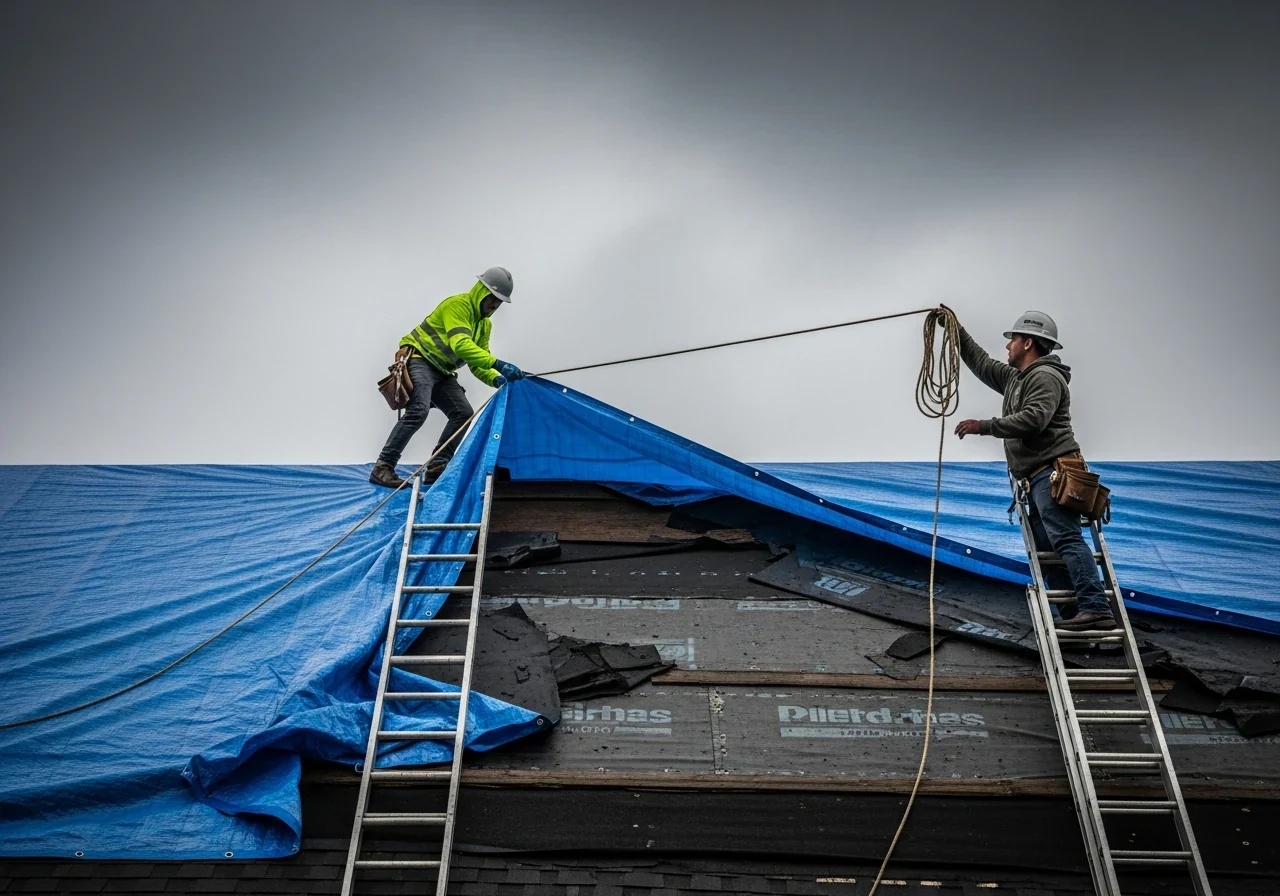
When a windstorm opens a hole in a roof, getting a tarp down and the building dry comes before paperwork. We treat emergency dry-in as a separate, immediate scope from the claim documentation itself, temporary protection first, full damage assessment and photo record once the building is stable, and we keep the two costs itemized separately so the emergency response doesn't get lost or double-counted inside the larger repair claim.
Institutional and Ag-Industrial Roofs in Windstorm Season
State buildings around downtown Salem, healthcare facilities, and the metal-roofed warehouses and cold storage buildings tied to the valley's agricultural processing sector each carry different wind exposure. A parapet-heavy institutional roof concentrates uplift stress at the perimeter, while a long-span metal warehouse roof spreads load differently across panel seams and ridge details. We document damage against the specific roof type rather than applying one generic wind-damage template, because an adjuster reviewing a claim on a standing seam ag building needs different evidence than one reviewing a membrane roof on a downtown office building.
We're your roofing contractor documenting wind and storm damage, not a public adjuster negotiating your policy. Our job is an accurate, well-documented scope; what the policy pays is a decision between you and your insurer.
Wind and Storm Damage Claim Questions We Get
How do I know if roof damage is from wind or just aging?
Wind damage typically shows a directional pattern tied to a specific storm, lifted seams or displaced panels concentrated on one side or at the parapet. Age-related wear tends to be scattered and gradual. We document which pattern your roof shows.
Will insurance cover a roof that was already old before the storm?
An older roof can still have a valid wind claim if the storm caused specific new damage, even on a roof that was due for replacement anyway. We separate the new storm damage from the roof's baseline condition so that distinction is clear in the record.
What should I do immediately after wind damage is discovered?
Get temporary protection over any active opening first to limit interior damage, then get a roof-level inspection scheduled before repairs begin so the original damage is documented before anything is disturbed.
Do you handle the emergency tarp and the insurance documentation as one job?
We treat them as related but separate: dry-in happens immediately to stop water intrusion, and full damage documentation for the claim happens as part of the same visit or shortly after, itemized separately from the emergency work.
Can wind-driven rain damage be claimed if the membrane itself isn't torn?
Yes, if water entered through an existing detail, a flashing, seam, or penetration, that a wind event compromised or exposed. We document the entry point and the resulting damage as part of the same wind event record.
Assessment Priorities
Membrane condition, seams, flashings, penetrations, drains, scuppers, edge metal, rooftop equipment, traffic patterns, and visible moisture evidence are reviewed together before a repair, coating, recover, or replacement path is recommended.
Planning Around the Facility
Access, staging, noise, odor, delivery windows, weather protection, occupied spaces, interior protection, and daily dry-in procedures are planned for the way the commercial property must continue operating.
From Findings to a Clear Scope
Observed conditions are documented so building owners and facility teams can compare immediate repairs, maintenance priorities, system options, budget timing, and closeout requirements without losing sight of the building below the deck.
Ready to review the roof scope?
Commercial Roofing Services
1 of 2
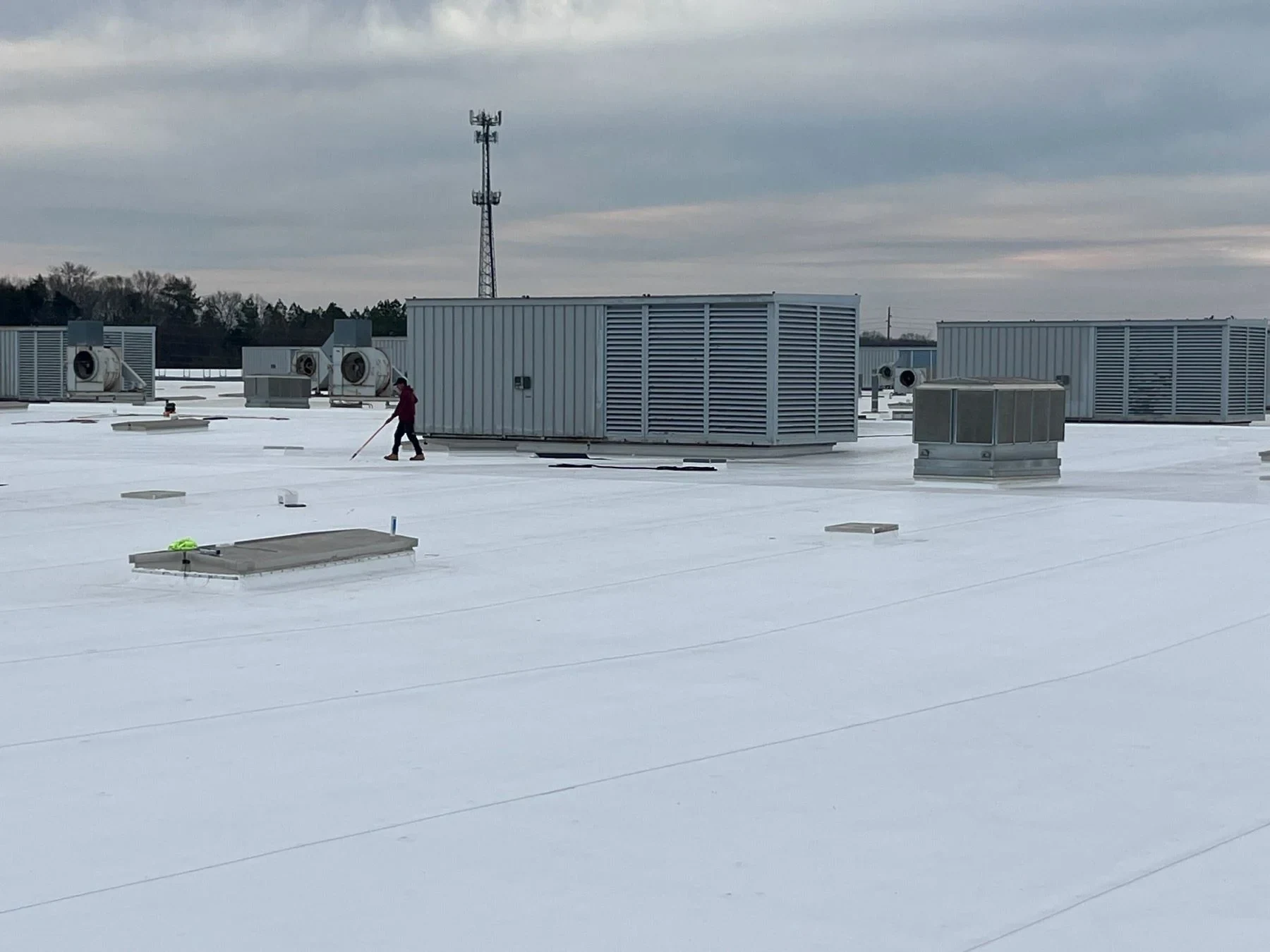
Commercial Roofing Across the Salem Area