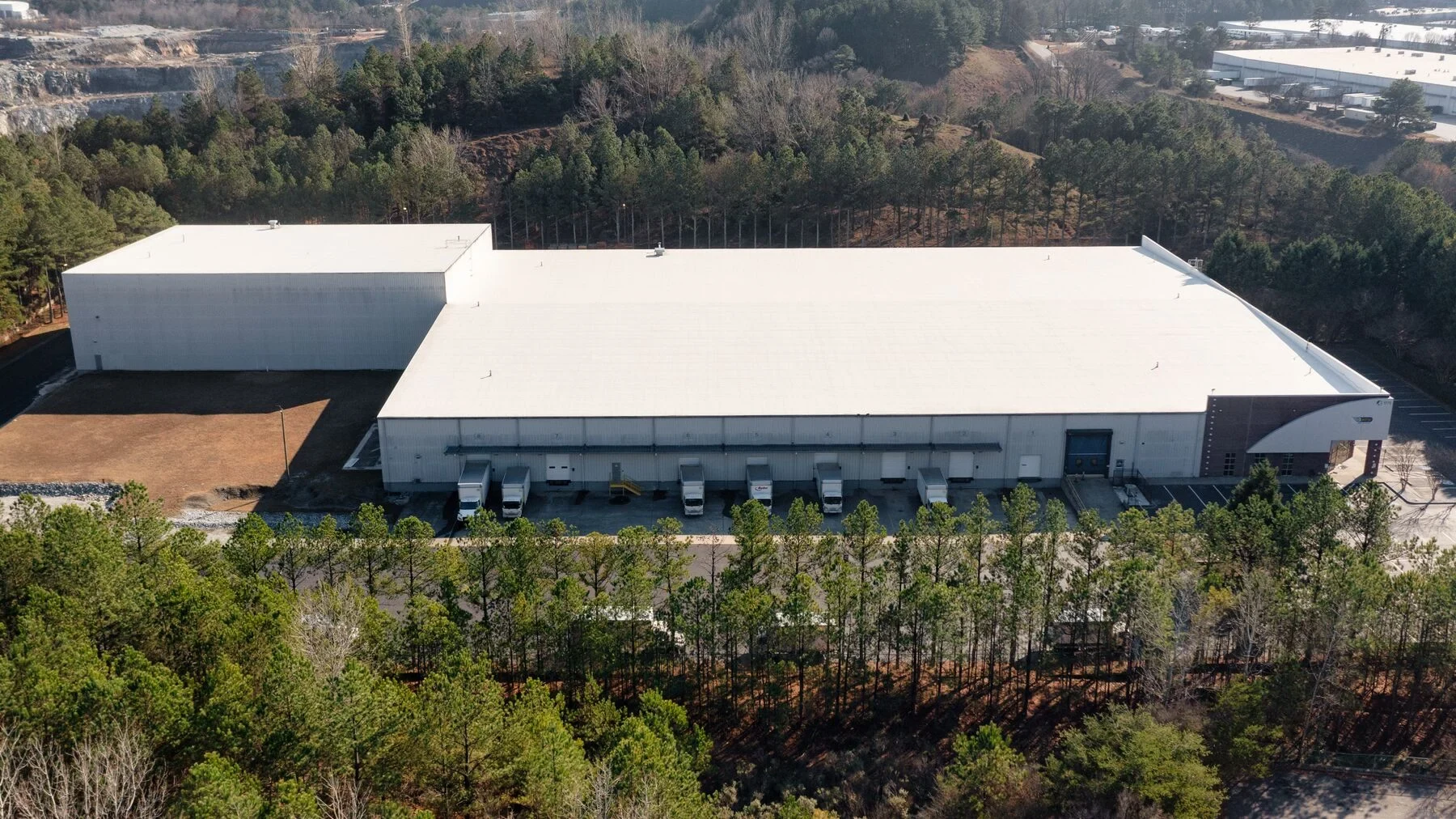
Grocery Store Roofing in Salem, OR
Commercial Project TypesServing Salem and the central Willamette Valley
Request a Roof Assessment
Commercial roofing in Salem, Oregon
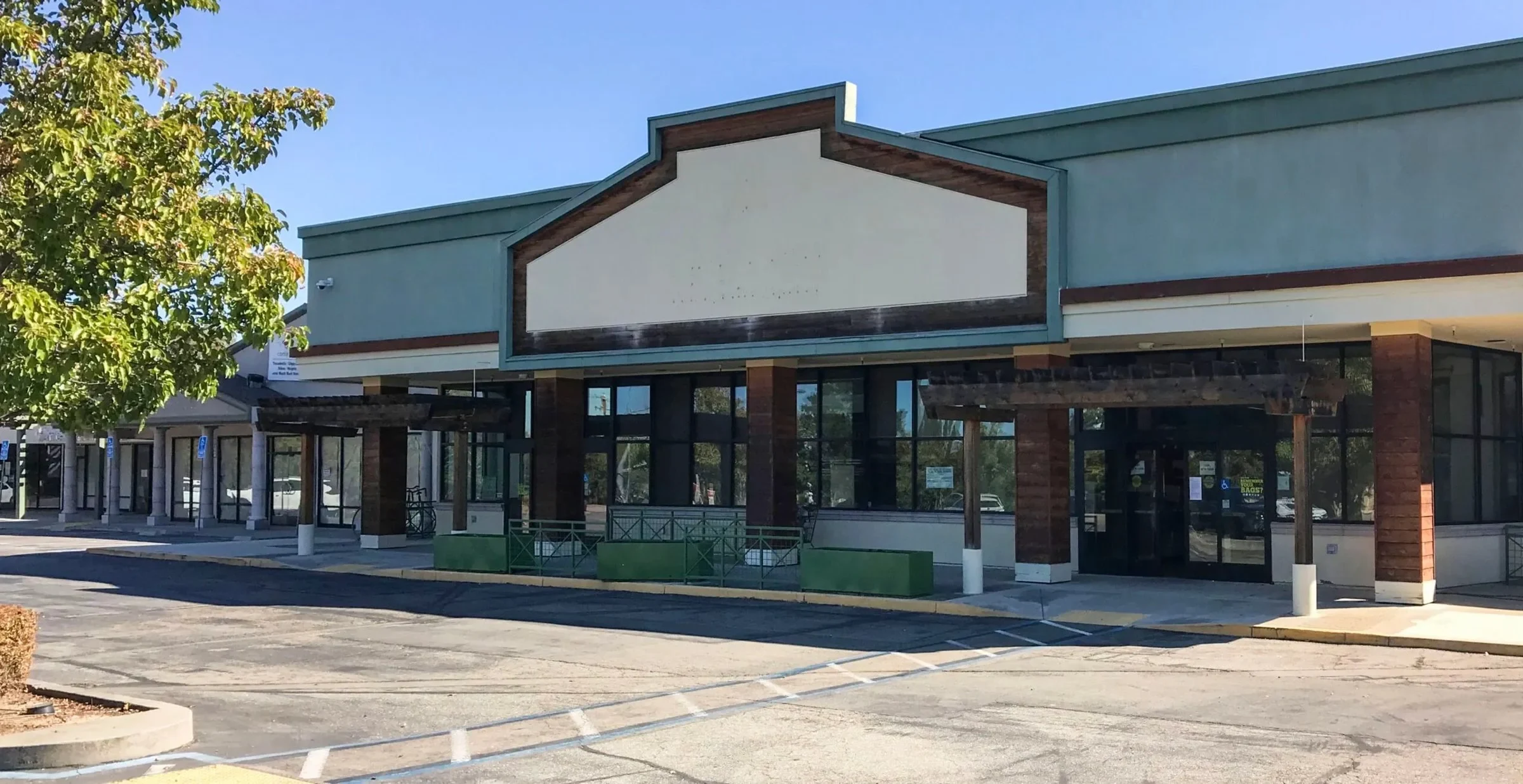
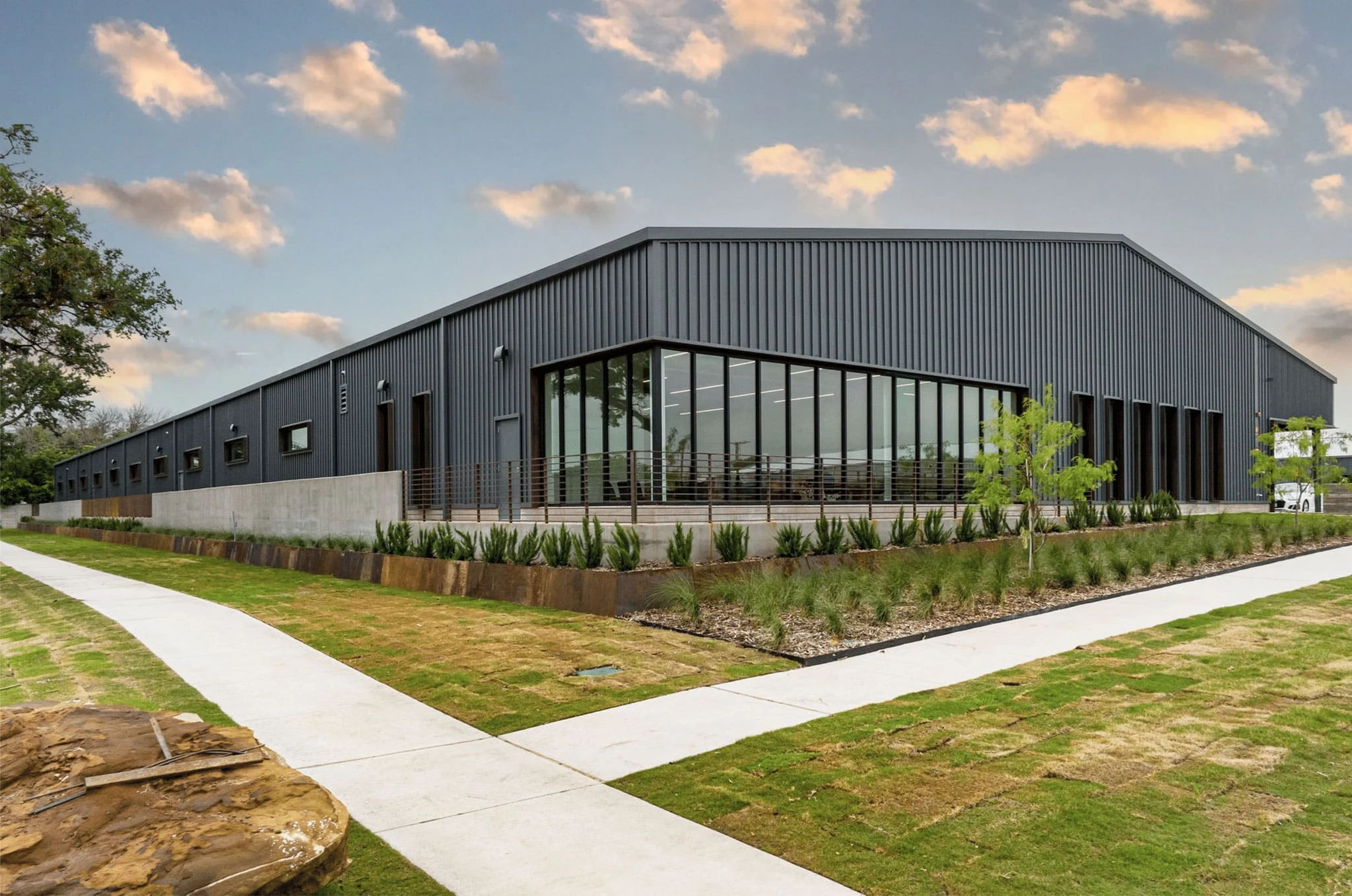
Grocery store roofing in Salem, OR for supermarket buildings, covering refrigeration curb loads, dense rooftop mechanicals, and scheduling around store hours.
Commercial Roofing Assessment Framework
Document
Membrane and seams
Trace
Drainage and water paths
Review
Flashings and penetrations
Compare
Repair, recover, coating, replacement
Plan
Access, staging, weather protection
Protect
Occupants, equipment, and operations
Close Out
Photos, details, records, priorities
Grocery Store Roofing in Salem, OR: Roofing Detail
Grocery Roofs Carry More Equipment Than Almost Any Other Retail Building
A grocery store roof supports a mechanical load that most retail categories simply don't have: refrigeration racks, walk-in cooler and freezer condensing units, and a bakery or deli exhaust system, all crowded onto one field above a sales floor that can't afford to close for repairs.
Refrigeration Equipment Dominates the Rooftop Layout
Grocery stores around Salem, from independent operators to larger regional chains, run condensing units and refrigeration racks on the roof to serve dairy cases, freezer aisles, and walk-in coolers, and that equipment is usually denser and heavier than a typical retail HVAC layout. Structural loading and curb placement matter more here than on a comparable-size clothing or general retail store.
We map refrigeration equipment locations before scoping any grocery reroof, since curb flashing and structural clearance around that equipment drives a meaningful share of the project's actual complexity.
Store remodels complicate the picture further, since a refrigeration case layout changed inside the store doesn't always get matched by an update to the rooftop condensing units serving it, leaving mismatched equipment and orphaned curbs from a prior configuration. We document orphaned or mismatched rooftop equipment during inspection so store operators know what's actually still connected to something inside.
Condensate and Defrost Drainage Adds Its Own Water Load
Beyond rainfall, a grocery roof handles condensate discharge from refrigeration units and periodic defrost drainage from freezer systems, and that water needs a routing plan that doesn't just dump onto the membrane near a curb. Poor condensate routing shows up as chronic localized wear right around a refrigeration unit long before the rest of the roof shows its age.
We check condensate line routing as part of any grocery inspection, since a discharge point aimed at the membrane instead of a proper drain is a slow, self-inflicted leak source that's easy to fix once it's found.
Freezer defrost cycles run on a timer rather than continuously, which means the water load at a given curb can spike sharply at predictable intervals rather than draining evenly throughout the day. We check drain capacity against that peak load specifically, rather than an averaged daily estimate that understates what the membrane actually has to handle.
Rooftop features unique to grocery buildings we plan around:
- Refrigeration racks and condensing units with above-average structural load
- Condensate and freezer defrost drainage that needs dedicated routing
- Bakery and deli exhaust penetrations requiring grease-resistant detailing
- Loading dock roof zones seeing heavy truck traffic and dock-door drainage
- Overnight or pre-open scheduling windows to avoid customer-facing disruption
Working Around a Store That Can't Close
Most grocery stores operate long hours seven days a week, and a roof crew staging material or running equipment near a loading dock or main entrance during peak shopping hours creates real friction with store operations and customer experience. Store managers generally want disruptive work pushed to overnight or early-morning windows.
We schedule loud demolition, crane lifts, and material deliveries for overnight or pre-open hours whenever the store's operating pattern allows, keeping daytime work limited to quieter tasks like membrane detailing that don't generate noise or vibration inside the store.
Bakery and Deli Exhaust Adds a Grease Factor
In-store bakery and deli operations vent grease-laden exhaust to the roof much like a restaurant does, and that exhaust point needs the same shorter inspection interval and grease-resistant detailing that a food-service roof requires elsewhere on this site.
Timing Replacement Around the Valley's Wet Season
Willamette Valley weather narrows the realistic window for a full grocery store tear-off and replacement, since starting a large membrane project right before the rainy season begins raises the odds of a weather delay mid-project with the store's refrigeration systems temporarily more exposed than they should be.
We plan grocery reroofs for the drier stretch of the year where scheduling allows, sequencing the work so refrigeration and HVAC curbs are never left uncovered overnight regardless of season, but reducing overall weather risk by avoiding the heaviest rain months when we have the choice.
Stores that need emergency repair work during the wet season get a different approach: temporary protection over active leak points to get through the immediate rain event, followed by permanent repair once conditions allow a proper installation rather than a rushed one in standing water.
What Store Managers Ask Before Scheduling
Does refrigeration equipment on the roof affect the reroofing cost?
It can, since curb flashing and structural clearance around dense refrigeration equipment adds complexity compared to a roof with standard HVAC only. We map that equipment during scoping so the estimate reflects the actual condition, not a generic retail assumption.
Can roof work happen while the store stays open?
Yes, generally. We push noisy or disruptive work like demolition and crane lifts to overnight or pre-open hours and reserve daytime hours for quieter tasks that don't affect the shopping experience.
What causes localized wear near a refrigeration unit?
Often it's condensate or defrost water discharging directly onto the membrane instead of routing to a proper drain, which wears that specific area faster than the surrounding roof.
Does the bakery or deli exhaust need special roof treatment?
Yes, grease-laden exhaust from in-store bakery and deli operations affects the membrane similarly to a restaurant exhaust point, and we treat that area with grease-resistant materials and a shorter inspection interval.
How long does a typical grocery store reroof take?
It depends on store size and roof condition, but we sequence work in sections so refrigeration and HVAC systems stay operational throughout rather than requiring a full simultaneous shutdown.
Assessment Priorities
Membrane condition, seams, flashings, penetrations, drains, scuppers, edge metal, rooftop equipment, traffic patterns, and visible moisture evidence are reviewed together before a repair, coating, recover, or replacement path is recommended.
Planning Around the Facility
Access, staging, noise, odor, delivery windows, weather protection, occupied spaces, interior protection, and daily dry-in procedures are planned for the way the commercial property must continue operating.
From Findings to a Clear Scope
Observed conditions are documented so building owners and facility teams can compare immediate repairs, maintenance priorities, system options, budget timing, and closeout requirements without losing sight of the building below the deck.
Ready to review the roof scope?
Commercial Project Types
1 of 2
Commercial Roofing Across the Salem Area