Warehouse Roofing in Salem, OR
Commercial Project TypesServing Salem and the central Willamette Valley
Request a Roof Assessment
Commercial roofing in Salem, Oregon
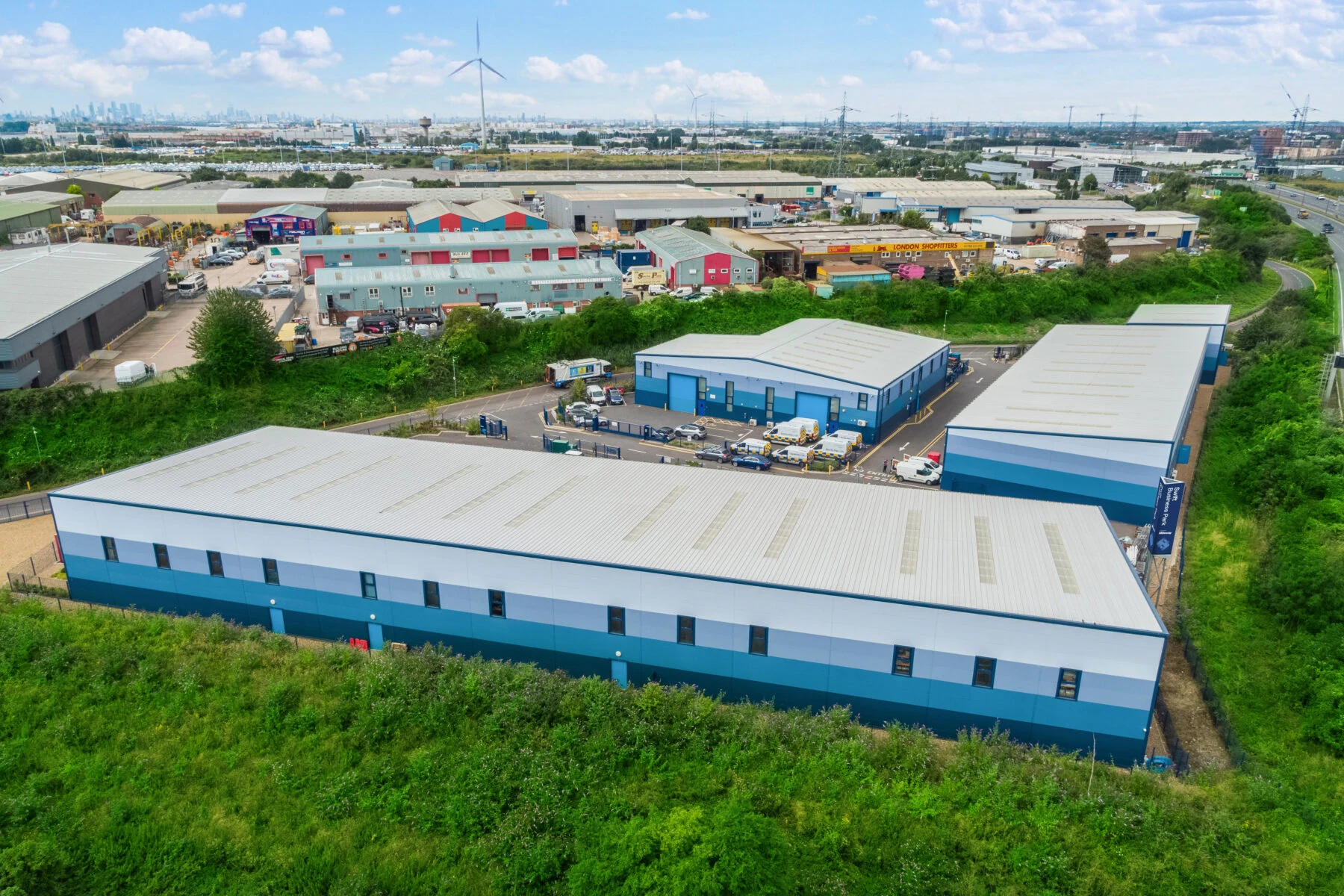
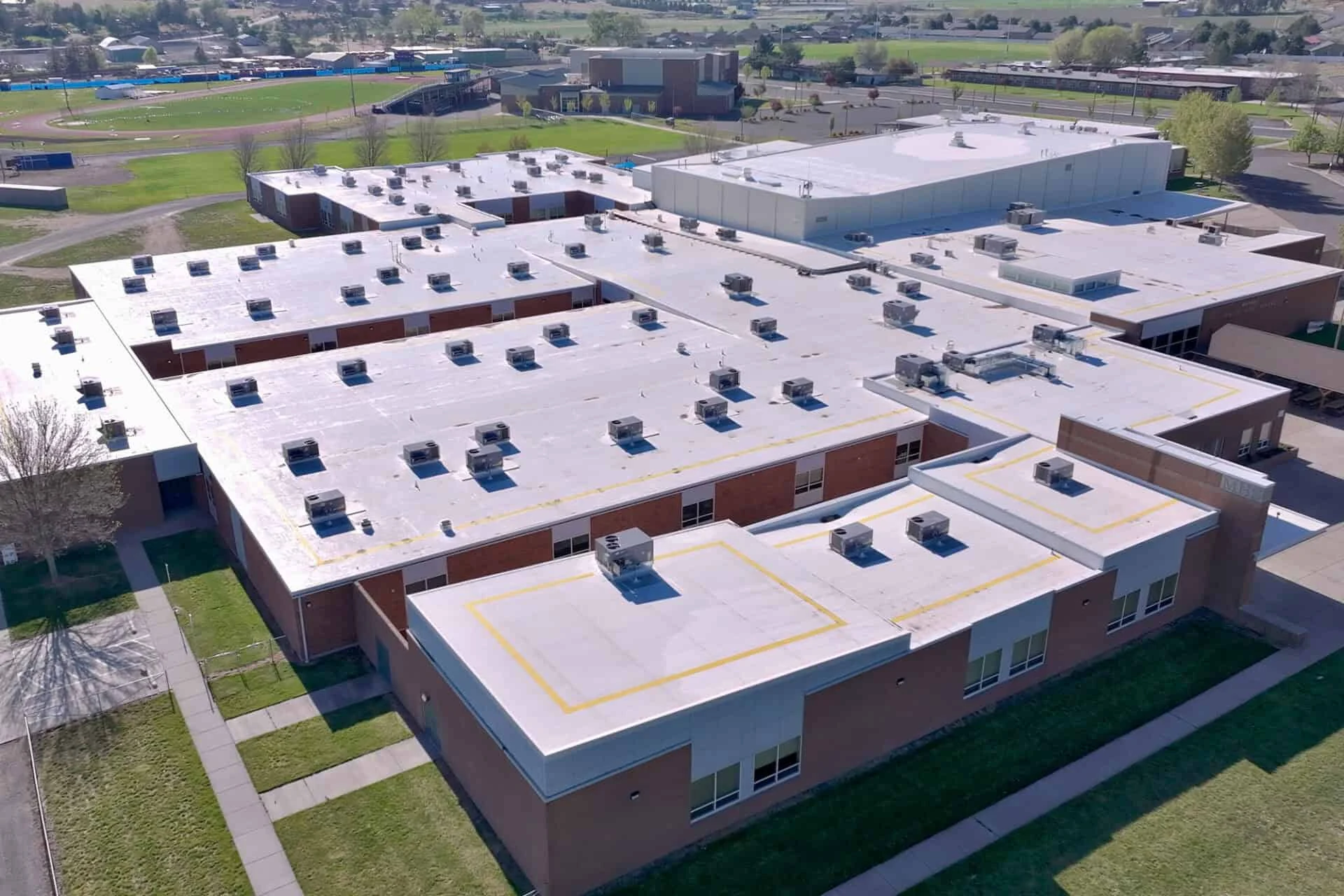
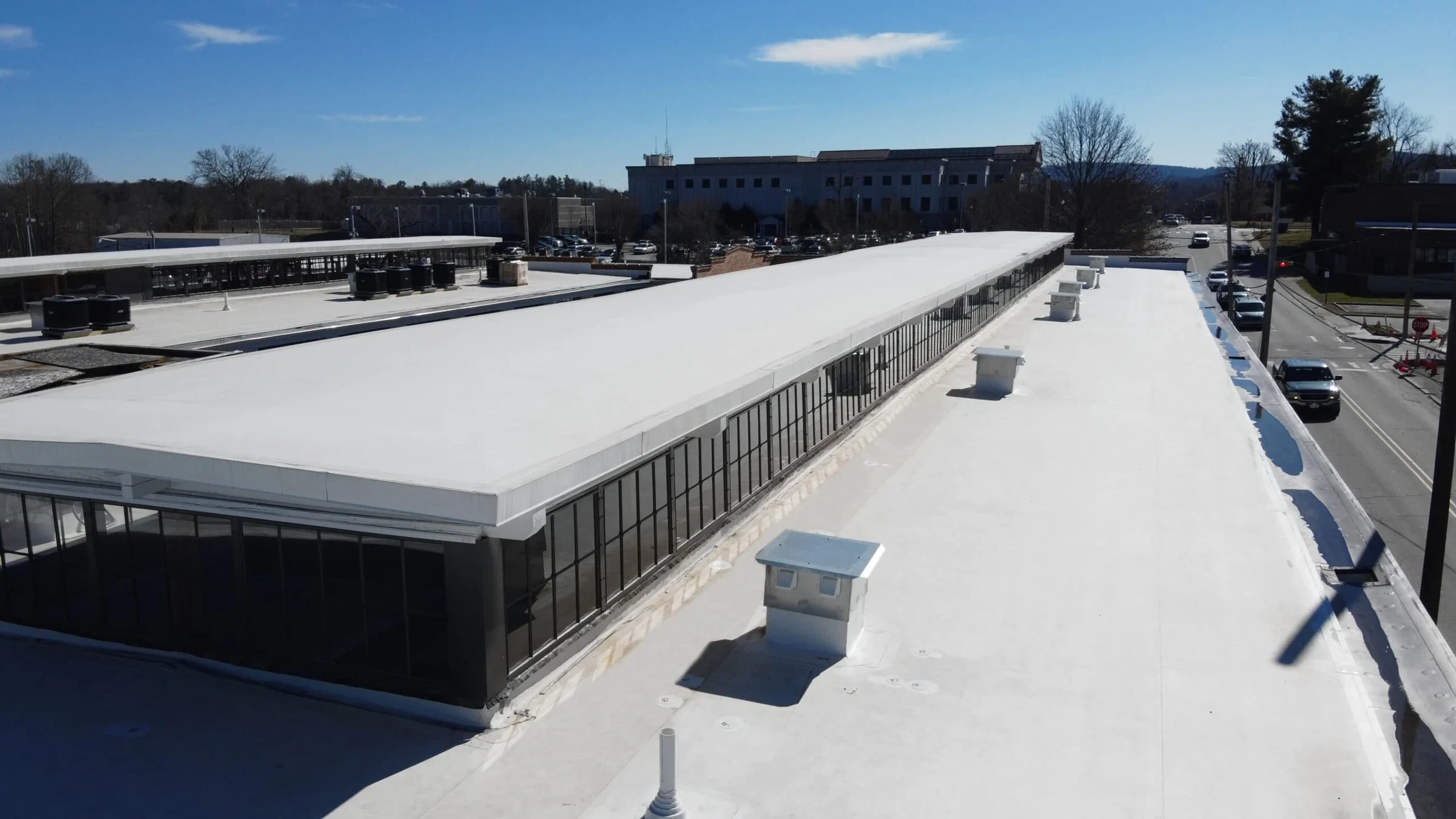
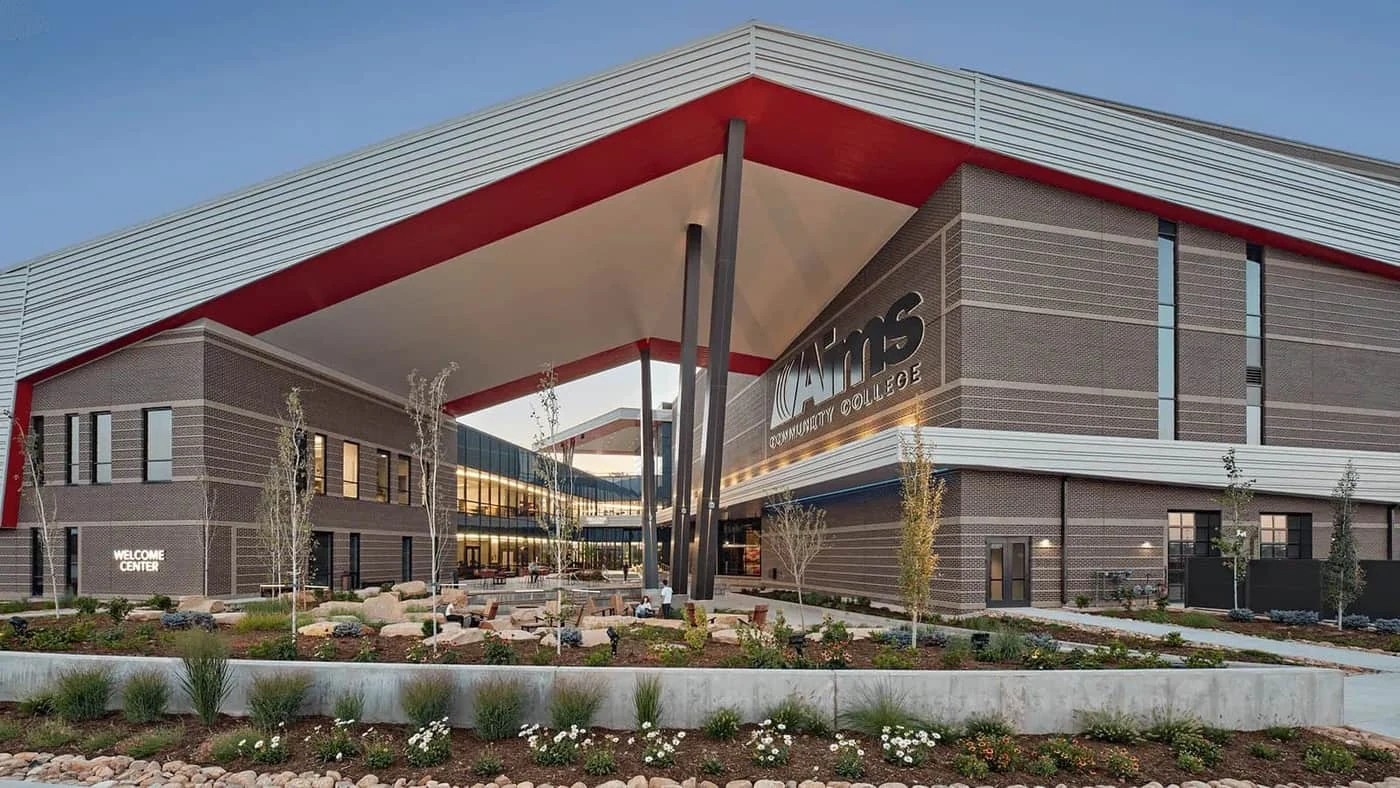
Warehouse roofing in Salem, OR for storage buildings along the Mill Creek corridor, covering low-slope drainage, skylight leaks, and moisture damage to inventory.
Commercial Roofing Assessment Framework
Document
Membrane and seams
Trace
Drainage and water paths
Review
Flashings and penetrations
Compare
Repair, recover, coating, replacement
Plan
Access, staging, weather protection
Protect
Occupants, equipment, and operations
Close Out
Photos, details, records, priorities
Warehouse Roofing in Salem, OR: Roofing Detail
Low-Slope Warehouse Roofs and the Cost of a Slow Leak
Warehouse roofs rarely fail all at once. They fail one seam, one skylight curb, and one clogged drain at a time, and by the time water shows up on a pallet of stored product, the damage upstream has usually been building for a season or two.
The Warehouse Buildings We See Around Salem
Storage and light-industrial buildings along the Mill Creek Corporate Center and the Hawthorne Avenue and Cordon Road corridor run the range from single-tenant distribution buildings to multi-bay flex warehouses leased out unit by unit. Most of them share the same roof profile: large low-slope membrane fields, a scattering of skylights, and rooftop mechanical units serving whatever the current tenant needs.
That combination of factors means the failure points are predictable even when the building layout isn't. We inspect skylight curbs, drain bowls, and HVAC curb flashing first on any warehouse call, because that's where the water is getting in nine times out of ten.
Age matters as much as building type here. A lot of the warehouse stock along these corridors is on its first or second roofing cycle, which means the flashing details and fastening patterns reflect whatever standard practice looked like when it was installed rather than what a manufacturer specifies today. We note the roof's installation era during any inspection, since that tells us almost as much about likely failure points as the visible wear does.
Why Ponding Water Is the Real Enemy Here
A low-slope roof with a properly designed drainage plane sheds water within 48 hours of a storm, but Salem's rainy season doesn't give a marginal drainage design much of a break between storms to dry out. Nine months of the year, a slightly undersized drain or a slope that's flattened out from age keeps standing water on the membrane far longer than the material was designed to tolerate.
We map ponding areas during dry-weather inspections using the water staining and debris lines that mark where water actually sat, then price tapered insulation or additional drains where the ponding is chronic rather than proposing a blanket recover that doesn't fix the underlying slope problem.
What we photograph and log on every warehouse inspection:
- Skylight curb condition and gasket wear at every unit on the roof
- Ponding boundaries marked by staining, algae, or debris lines
- Drain and scupper capacity relative to roof area served
- HVAC and exhaust curb flashing, noting which units look tenant-installed
- Membrane seam condition across high-traffic maintenance walk paths
Racking, Inventory, and What a Leak Actually Costs
A warehouse leak rarely stays contained to the roof. Water finds its way down through open racking to product below, and depending on what's stored, that can mean anything from cosmetic box damage to a full pallet write-off. Owners often don't connect a small ceiling stain to the inventory risk sitting directly underneath it.
We flag active leak paths against the tenant's racking layout where we can see it, so the owner understands where the roof is failing and what's exposed underneath while a repair gets scheduled.
Multi-Tenant Roofs and Who Pays for What
Flex warehouse buildings leased to several tenants complicate roof maintenance because responsibility for rooftop penetrations often splits between landlord and tenant, especially around HVAC units and exhaust fans a tenant installed after move-in. A leak traced to a tenant-installed curb can turn into a lease dispute if nobody documented the original condition.
Getting Ready Before the Rainy Season Starts
The window between the end of Salem's dry summer stretch and the start of the valley's wet season is the best time to catch small problems before nine straight months of rain turns them into active leaks. A cracked pipe boot or a lifted seam that would go unnoticed in July becomes a real drainage problem by November.
We recommend warehouse owners schedule a pre-season inspection in late summer specifically, giving enough lead time to complete minor repairs before the first sustained rain event rather than discovering a leak during the first big storm of the season.
Owners who wait until a tenant complains about water in October are usually looking at emergency pricing and a repair done in worse weather conditions than if the same problem had been caught in August.
Common Questions From Warehouse Operators
How often should a warehouse roof get a formal inspection?
Twice a year is a reasonable baseline for a low-slope warehouse roof in this climate, once before the rainy season starts and once after it lets up, with an additional check after any significant windstorm.
Can you repair around active racking and stored inventory?
Yes, we work with the warehouse operator to identify which bays are affected and stage repair work to avoid disturbing racking or product wherever the leak location allows it.
What's the difference between a recover and a full tear-off for a warehouse?
A recover adds a new membrane over sound existing roofing and works when the deck and insulation underneath are dry and structurally fine. A tear-off is the right call once insulation is wet, the deck has deteriorated, or ponding has been chronic long enough that a recover would just trap the same slope problem under new material.
Who's responsible for a leak traced to a tenant's rooftop HVAC unit?
That depends on the lease terms, but we document the physical condition and installation quality of the penetration regardless, which gives the landlord and tenant a factual basis for sorting out responsibility instead of a guess.
Do skylights need to be replaced when the roof around them is redone?
Not always, but skylight curbs and seals are old enough on most warehouse roofs we see that replacing them at the same time as a reroof avoids paying for mobilization twice within a few years.
Assessment Priorities
Membrane condition, seams, flashings, penetrations, drains, scuppers, edge metal, rooftop equipment, traffic patterns, and visible moisture evidence are reviewed together before a repair, coating, recover, or replacement path is recommended.
Planning Around the Facility
Access, staging, noise, odor, delivery windows, weather protection, occupied spaces, interior protection, and daily dry-in procedures are planned for the way the commercial property must continue operating.
From Findings to a Clear Scope
Observed conditions are documented so building owners and facility teams can compare immediate repairs, maintenance priorities, system options, budget timing, and closeout requirements without losing sight of the building below the deck.
Ready to review the roof scope?
Commercial Project Types
1 of 2
Commercial Roofing Across the Salem Area