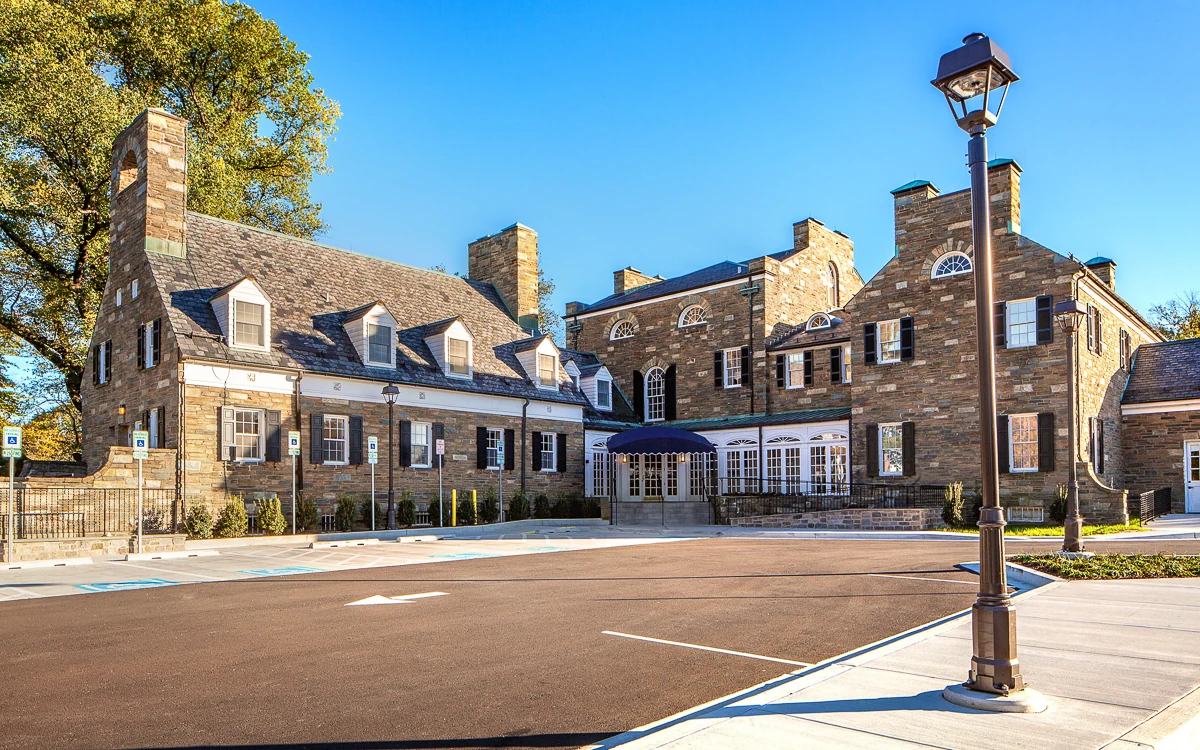
Multi-Tenant Retail Strip Roofing in Salem, OR
Commercial Project TypesServing Salem and the central Willamette Valley
Request a Roof Assessment
Commercial roofing in Salem, Oregon
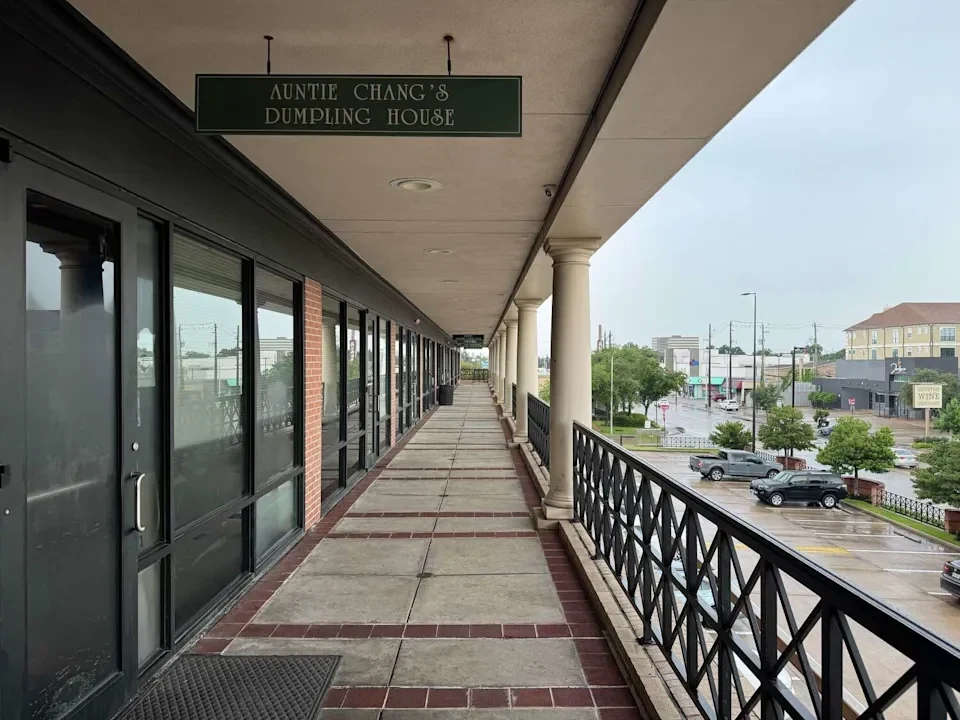
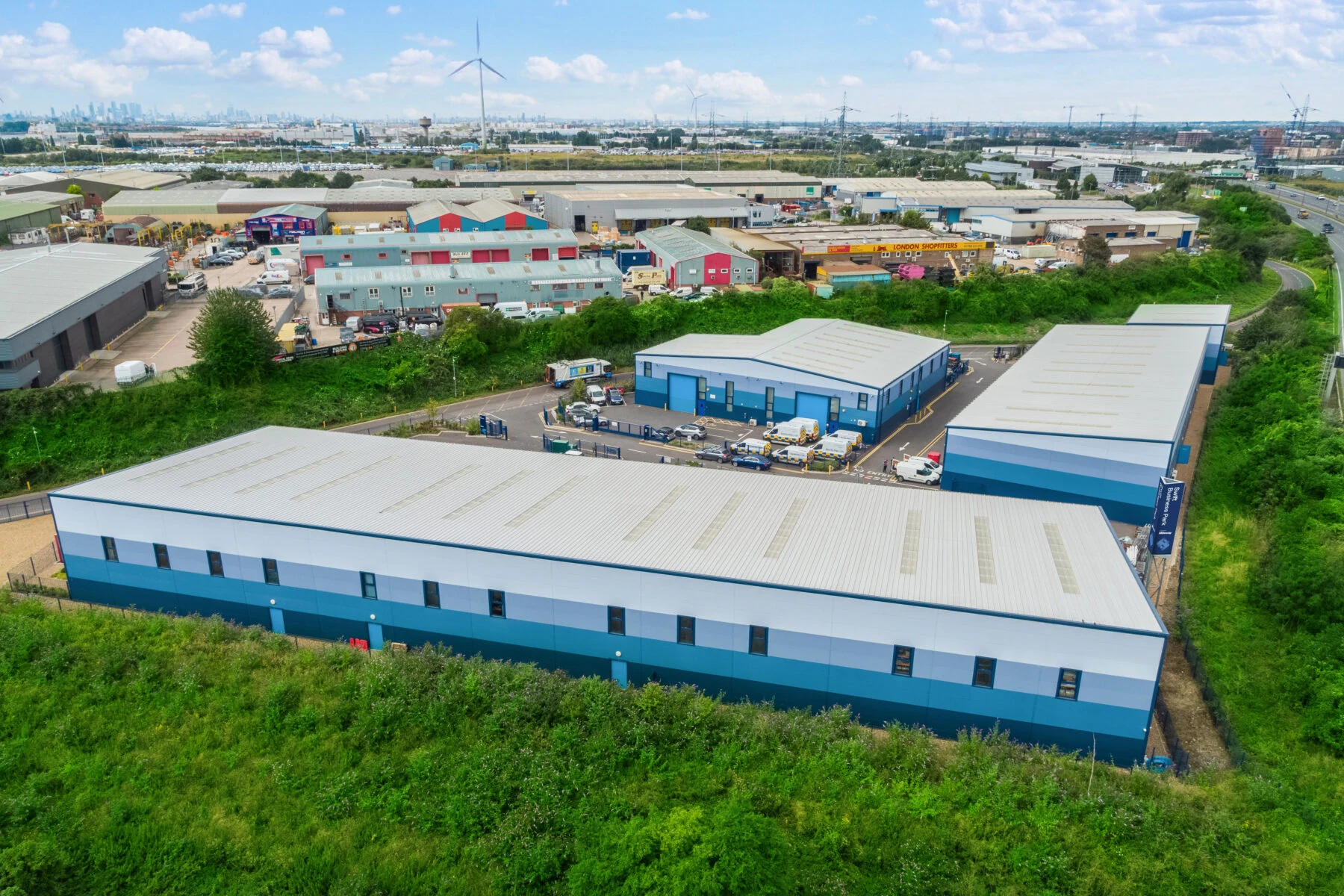
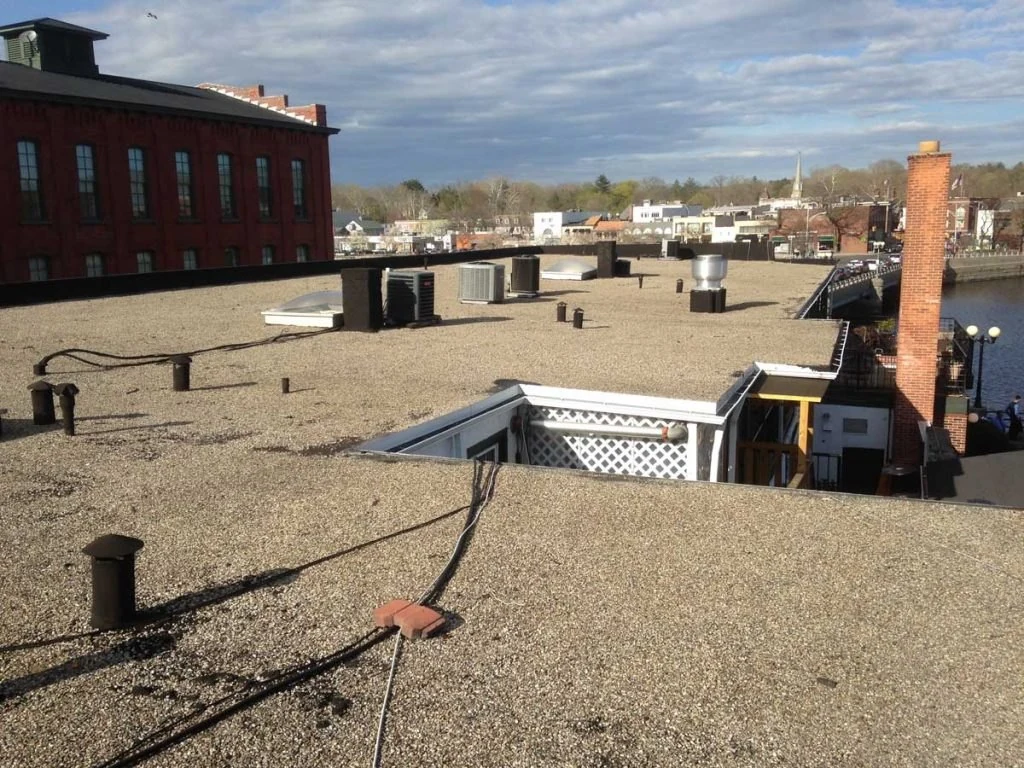
Multi-tenant retail strip roofing in Salem, OR for centers along Lancaster Drive and Commercial Street, covering shared-membrane leaks and CAM cost documentation.
Commercial Roofing Assessment Framework
Document
Membrane and seams
Trace
Drainage and water paths
Review
Flashings and penetrations
Compare
Repair, recover, coating, replacement
Plan
Access, staging, weather protection
Protect
Occupants, equipment, and operations
Close Out
Photos, details, records, priorities
Multi-Tenant Retail Strip Roofing in Salem, OR: Roofing Detail
One Membrane, Many Storefronts: Retail Strip Roofing Realities
Strip retail centers along Lancaster Drive and Commercial Street share something every landlord eventually learns the hard way: one continuous roof membrane over a dozen or more separate storefronts means a leak over one tenant's ceiling can trace back to a penetration two units away.
Why Leak Tracing Gets Complicated on a Strip Center
A single retail strip roof usually runs as one uninterrupted membrane field over multiple leased units, so water entering near one tenant's rooftop HVAC unit can travel along the deck and show up as a ceiling stain in a completely different storefront before it's ever noticed at the actual entry point. Tenants calling in complaints rarely know this, and landlords chasing the wrong unit waste time and money.
We trace leaks by walking the entire roof field rather than only the section above the complaining tenant, because the actual source is frequently several bays away from where the water surfaced inside.
Older strip centers built before a common roof-access standard existed sometimes have inconsistent walking-pad placement too, meaning a maintenance tech's own foot traffic while investigating one tenant's complaint can wear a path that creates a second problem on top of the first. We use temporary protection boards during any diagnostic walk on an older membrane for exactly this reason.
CAM Budgets and the Politics of Shared Roof Costs
Roof maintenance on a multi-tenant retail property is usually a common area maintenance expense passed through to tenants proportionally, and that arrangement puts pressure on landlords to document roof spending clearly enough to defend it if a tenant questions their CAM reconciliation. Vague repair invoices create disputes that have nothing to do with the actual roof work.
We provide itemized reporting that separates routine maintenance from capital repair, since those two categories often get treated differently in a CAM calculation and lease language.
What complicates roof maintenance on a multi-tenant strip center:
- A single continuous membrane spanning multiple independently leased storefronts
- Leak paths that travel along the deck before surfacing far from the actual entry point
- CAM cost allocation that requires clear, defensible repair documentation
- Tenant-installed rooftop equipment with unclear maintenance responsibility
- Restaurant exhaust penetrations degrading faster than the surrounding membrane field
Tenant Rooftop Equipment and Who's Responsible
Individual retail tenants frequently install their own rooftop HVAC, signage penetrations, or exhaust for a restaurant use, and each of those additions is a potential leak source added after the base building roof was designed. When a penetration installed by one tenant's HVAC contractor fails, the resulting leak often shows up as a landlord maintenance issue even though the root cause was tenant work.
We document penetration ownership where we can identify it, giving landlords a factual basis to pursue a tenant's HVAC contractor for a repair rather than absorbing the cost as routine roof maintenance.
Lease turnover adds to the problem over time, since an outgoing tenant's rooftop equipment sometimes stays in place after they vacate, orphaned and unmaintained until a new tenant either reuses it or asks for it removed. We flag orphaned equipment during any property survey so landlords aren't caught off guard by an unaccounted-for penetration during a later reroof.
Restaurant Tenants Add Grease and Exhaust Load
A strip center with even one restaurant tenant means rooftop grease exhaust working against the membrane in a way retail-only centers don't deal with. That exhaust point needs its own inspection interval separate from the rest of the roof, since it degrades faster than the surrounding field.
Anchor Tenants and Big-Box Pad Roofs
Larger strip centers often include a grocery or big-box anchor on its own roof structure separate from the smaller in-line shops, and that anchor building's roof typically carries a different age, system, and maintenance history than the rest of the center even though it shares a parking lot and a landlord.
We assess anchor pad buildings separately from the in-line shop roofs during a full property survey, since treating the whole center as one roof system misses the fact that the anchor was very likely built or renovated on its own timeline.
Anchor tenant leases sometimes include specific roof maintenance obligations that differ from smaller in-line tenants, and we document actual roof condition in a way landlords can reference directly against those lease terms.
Questions From Retail Property Owners
Why does a leak show up in one storefront when the damage is somewhere else?
Because the roof membrane runs continuously across multiple units, water entering at one penetration can travel along the deck before finding a low point to drip through, which is often nowhere near where it actually got in.
How should roof repair costs be documented for CAM purposes?
With itemized invoices that clearly separate routine maintenance from capital repair work, since lease language typically treats those two categories differently in a CAM reconciliation.
Who pays when a tenant-installed rooftop unit causes a leak?
That depends on the lease, but we document what we can identify about penetration origin and installation quality so the landlord has a factual record to work from rather than an assumption.
Does a restaurant tenant's exhaust system need separate roof maintenance?
Yes, grease exhaust degrades the membrane around the discharge point faster than normal weathering, so that area typically needs a shorter inspection interval than the rest of the roof.
Can one tenant's roof complaint be resolved without walking the whole roof?
Not reliably. Because leaks travel along a shared membrane field, we walk the full roof rather than just the area above the complaining tenant to actually find the source instead of guessing at it.
Assessment Priorities
Membrane condition, seams, flashings, penetrations, drains, scuppers, edge metal, rooftop equipment, traffic patterns, and visible moisture evidence are reviewed together before a repair, coating, recover, or replacement path is recommended.
Planning Around the Facility
Access, staging, noise, odor, delivery windows, weather protection, occupied spaces, interior protection, and daily dry-in procedures are planned for the way the commercial property must continue operating.
From Findings to a Clear Scope
Observed conditions are documented so building owners and facility teams can compare immediate repairs, maintenance priorities, system options, budget timing, and closeout requirements without losing sight of the building below the deck.
Ready to review the roof scope?
Commercial Project Types
1 of 2
Commercial Roofing Across the Salem Area