Multifamily Apartment Roofing in Salem, OR
Commercial Project TypesServing Salem and the central Willamette Valley
Request a Roof Assessment
Commercial roofing in Salem, Oregon
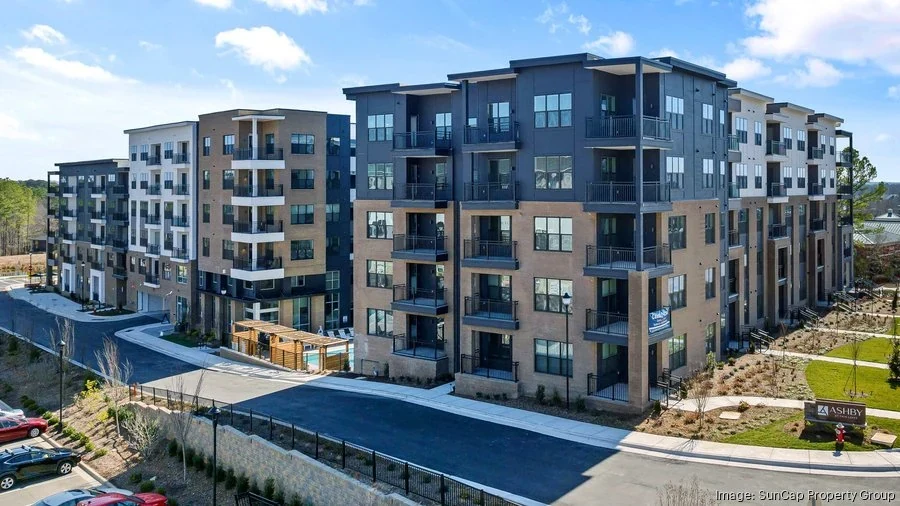
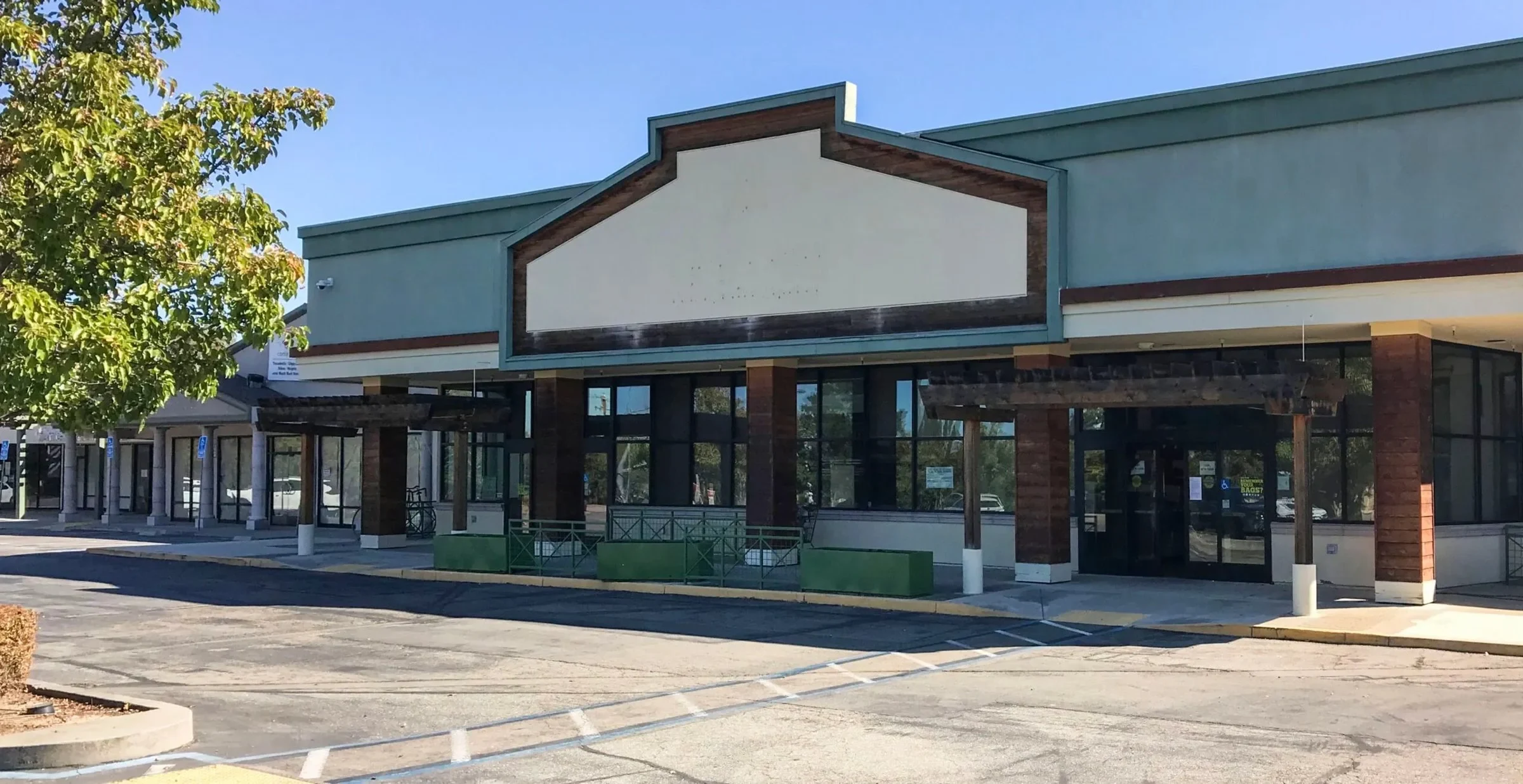
Multifamily apartment roofing in Salem, OR for rental properties, covering occupied-unit access, balcony and patio deck waterproofing, and tenant leak documentation.
Commercial Roofing Assessment Framework
Document
Membrane and seams
Trace
Drainage and water paths
Review
Flashings and penetrations
Compare
Repair, recover, coating, replacement
Plan
Access, staging, weather protection
Protect
Occupants, equipment, and operations
Close Out
Photos, details, records, priorities
Multifamily Apartment Roofing in Salem, OR: Roofing Detail
Roofing Occupied Apartment Buildings Without a Tenant Relations Disaster
Apartment roofing in Salem's growing rental market, from riverfront developments to student-adjacent housing near Willamette and Chemeketa, comes with a variable a lot of commercial buildings don't have: dozens of individual households living directly underneath the work, each one a potential leak complaint or lease dispute if the project isn't handled carefully.
Occupied Buildings Change the Whole Access Plan
Unlike an office building that can shift tenants to a conference room during noisy work, an apartment resident generally can't relocate for a roofing project happening over their unit. That means notice requirements, noise windows, and material staging all need to account for people actually living in the building through construction, rather than only a property manager's schedule.
We work with property managers to distribute resident notices well ahead of loud phases, and we sequence buildings within a multi-building property so residents get a predictable window rather than an open-ended construction timeline.
Properties with month-to-month or short-term leases add another layer, since the resident population on a given floor can turn over mid-project, which means a notice sent at the project's start may not reach everyone living there by the time work actually reaches their unit. We recommend property managers plan a rolling notice process for longer projects rather than relying on a single notice sent up front.
Balconies, Patios, and Individual Unit Decks
Multifamily properties often have private balcony or patio decking that sits directly under or adjacent to the main roof system, and those individual deck surfaces have their own waterproofing that's easy to overlook during a building-wide reroof. A leak traced to a failed deck coating rather than the main roof gets misdiagnosed more often than it should.
We inspect balcony and patio waterproofing as a separate line item from the main roof during any multifamily assessment, since treating them as part of the same system leads to fixing the wrong thing.
Older properties sometimes have balcony coatings that were never reapplied on any regular schedule after original construction, which means the coating can be well past its service life even when the main roof above it was replaced more recently. We note balcony coating age separately in our reports so it doesn't get lost inside a broader roof condition summary.
What changes when a roof project is over occupied apartment units:
- Resident notice requirements timed ahead of noisy work phases
- Balcony and patio deck waterproofing assessed separately from the main roof
- Same-visit documentation on any active leak affecting an occupied unit
- Building-by-building sequencing so residents face a predictable, limited window
- Common-area roofs on carports, clubhouses, and amenity buildings included in scope
Tenant Leak Claims and Documentation
When a leak does happen in an occupied unit, property managers need clear documentation fast, both to address the tenant's habitability concern and to protect the property owner if the claim escalates. Vague or delayed reporting turns a routine repair into a drawn-out dispute.
We provide same-visit documentation on any active leak call at an occupied multifamily property, including photos and a written cause assessment the property manager can hand directly to ownership or a tenant's attorney if it comes to that.
Parking Structures and Common Area Roofs
Larger apartment communities often include carport or parking structure roofing and clubhouse or amenity building roofs alongside the main residential buildings, and those common-area roofs get overlooked in maintenance budgets more often than the residential buildings do. We include common-area structures in any property-wide roof assessment rather than treating them as an afterthought.
Preparing Properties for the Valley's Windstorm Season
Salem doesn't see hail or hurricane-driven roof damage, but the valley does get seasonal windstorms strong enough to lift loose flashing, displace debris, or stress aging membrane at the edges of a roof, and older apartment properties with deferred maintenance are the ones that usually take the worst of it.
We recommend a pre-season check of roof edge flashing, coping, and any loose material on multifamily properties before the windiest months arrive, since edge failures are almost always preventable with a straightforward inspection rather than something that has to wait for storm damage to surface.
When storm damage does happen on an occupied property, we prioritize a fast temporary fix to prevent interior water damage to residents' units, then follow up with a permanent repair scoped properly rather than treating the temporary patch as the final answer.
Questions From Property Managers
How much notice do residents typically get before roof work starts?
We work with property managers to distribute notices well ahead of any loud or disruptive phase, generally aiming for enough lead time that residents can plan around it rather than being surprised the morning work starts.
Are balcony decks covered under a standard roof inspection?
We treat them as a separate item since balcony and patio waterproofing is a different system from the main roof, and lumping them together tends to misdiagnose the actual source of a leak.
What happens if a tenant reports water damage in their unit?
We prioritize active leak calls at occupied properties and provide same-visit photo documentation and a cause assessment so the property manager has what they need to address the tenant's concern quickly.
Do carports and clubhouse roofs need the same attention as the main buildings?
Yes, common-area structures are part of the property and we include them in any full property assessment rather than assuming they age slower or matter less than the residential buildings.
Can multiple buildings on one property be reroofed at the same time?
It's possible, but we generally sequence larger multifamily properties building by building so residents face a limited, predictable disruption window instead of construction activity across the entire property at once.
Assessment Priorities
Membrane condition, seams, flashings, penetrations, drains, scuppers, edge metal, rooftop equipment, traffic patterns, and visible moisture evidence are reviewed together before a repair, coating, recover, or replacement path is recommended.
Planning Around the Facility
Access, staging, noise, odor, delivery windows, weather protection, occupied spaces, interior protection, and daily dry-in procedures are planned for the way the commercial property must continue operating.
From Findings to a Clear Scope
Observed conditions are documented so building owners and facility teams can compare immediate repairs, maintenance priorities, system options, budget timing, and closeout requirements without losing sight of the building below the deck.
Ready to review the roof scope?
Commercial Project Types
1 of 2
Commercial Roofing Across the Salem Area