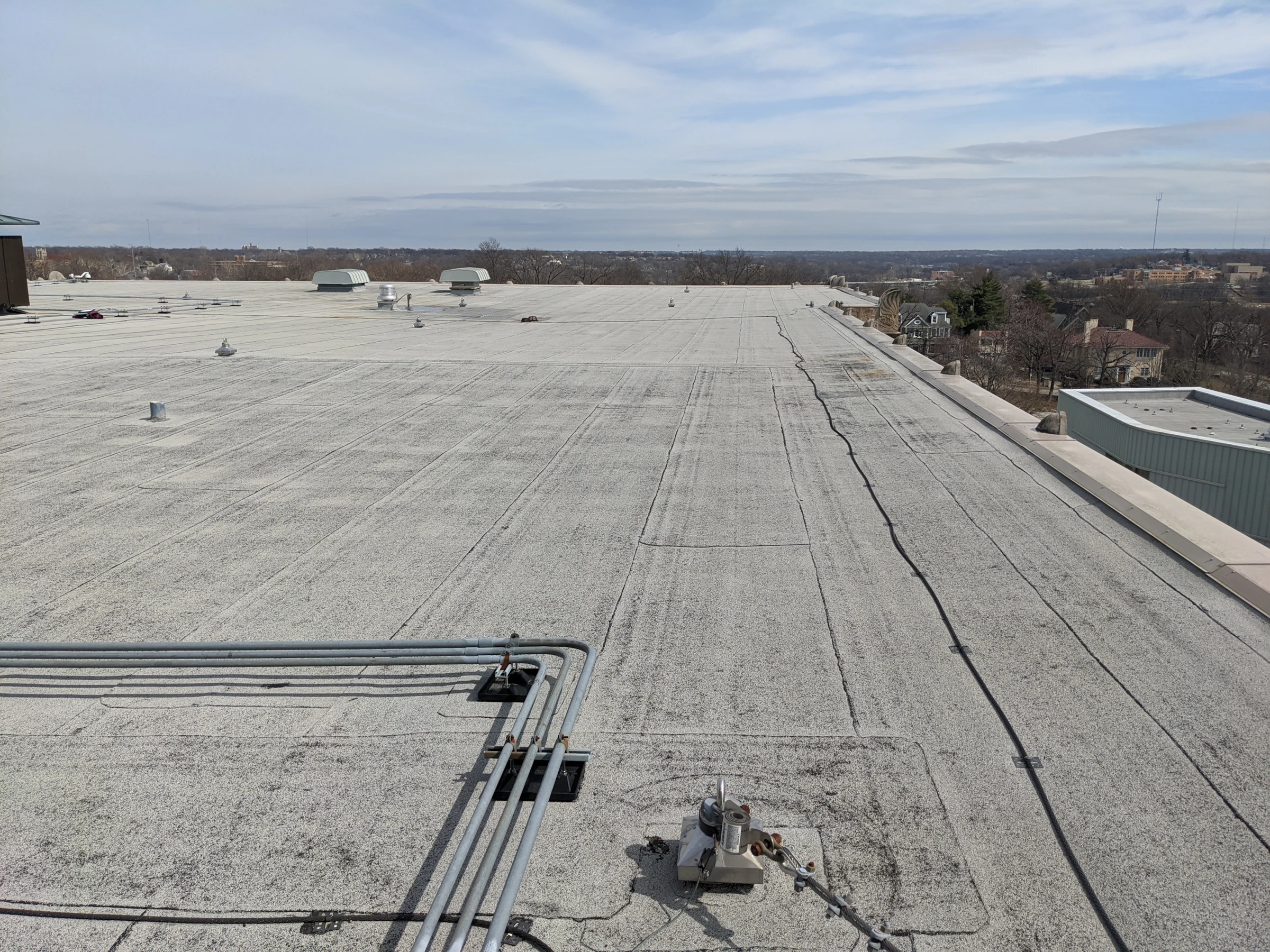
EPDM Black Roofing in Salem, OR
Roof SystemsServing Salem and the central Willamette Valley
Request a Roof Assessment
Commercial roofing in Salem, Oregon
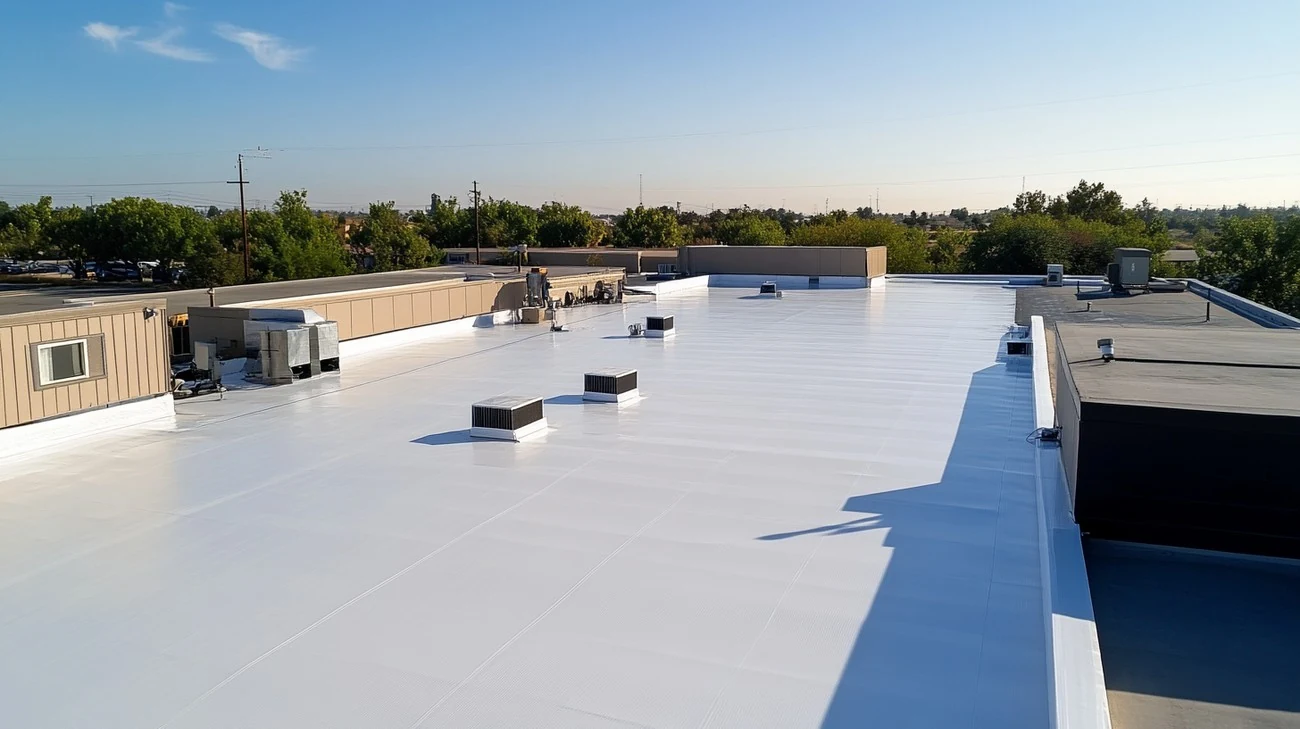
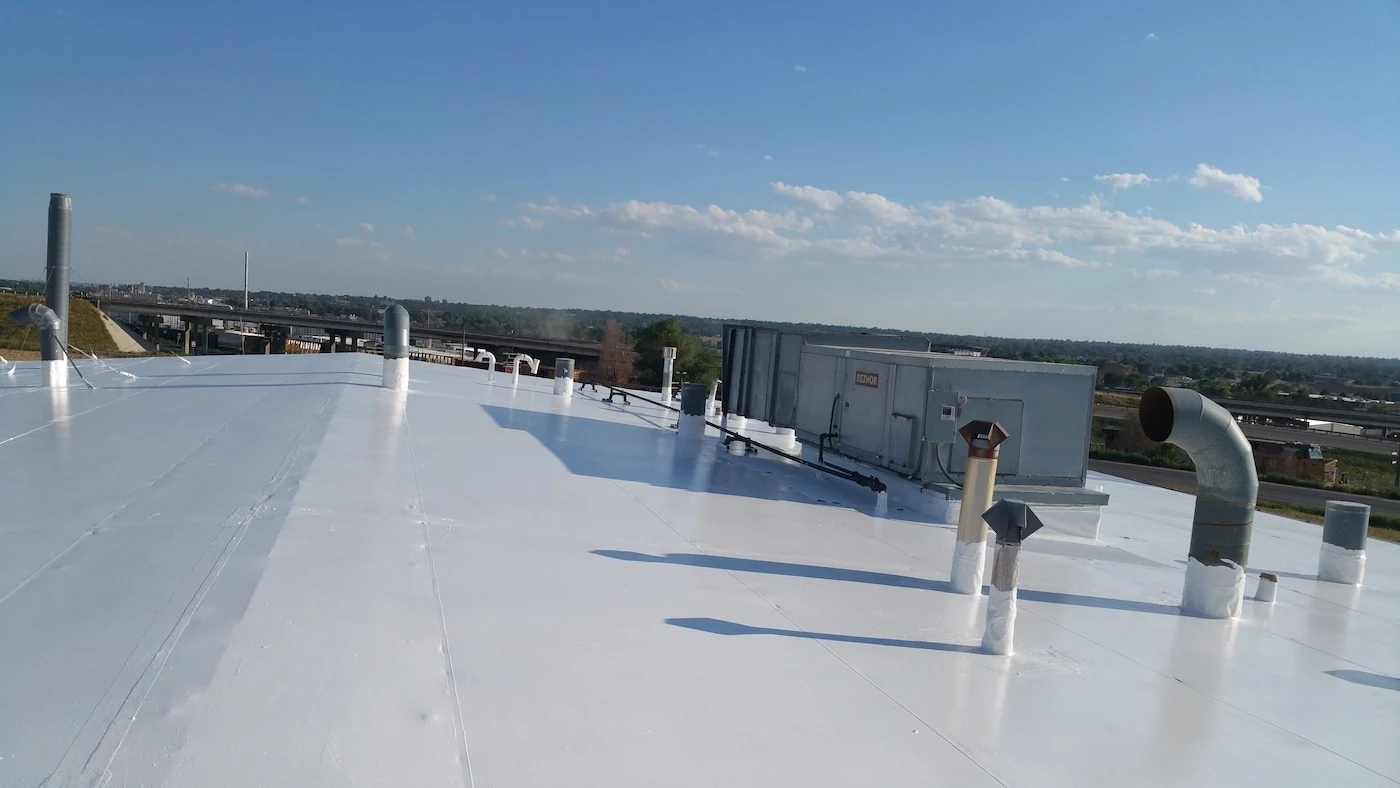
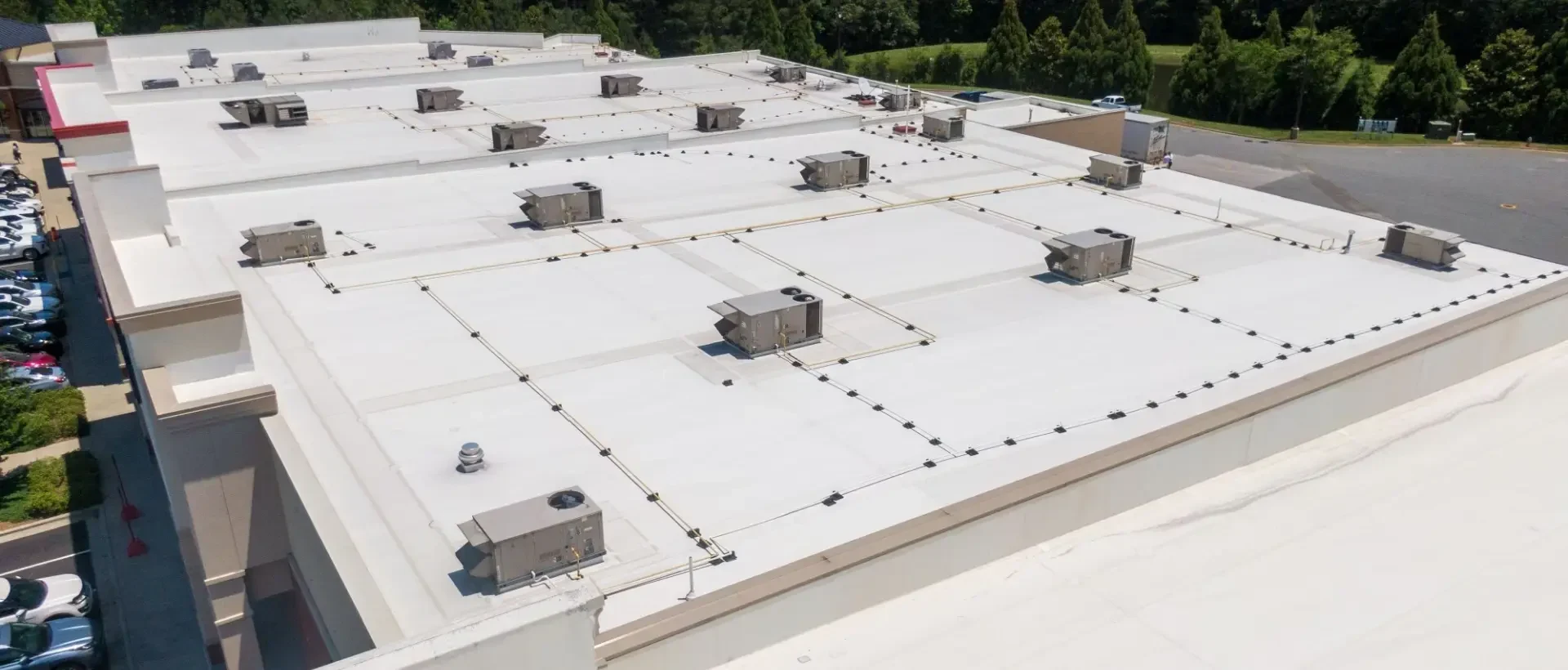
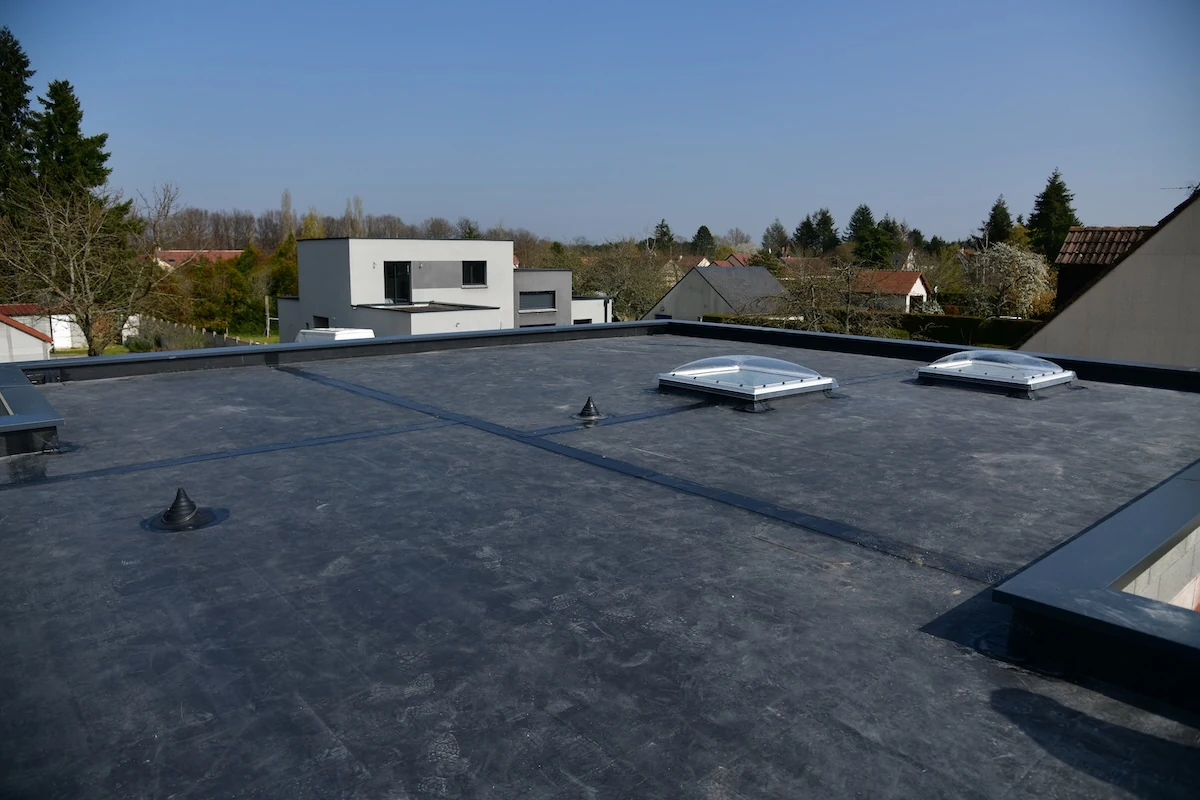
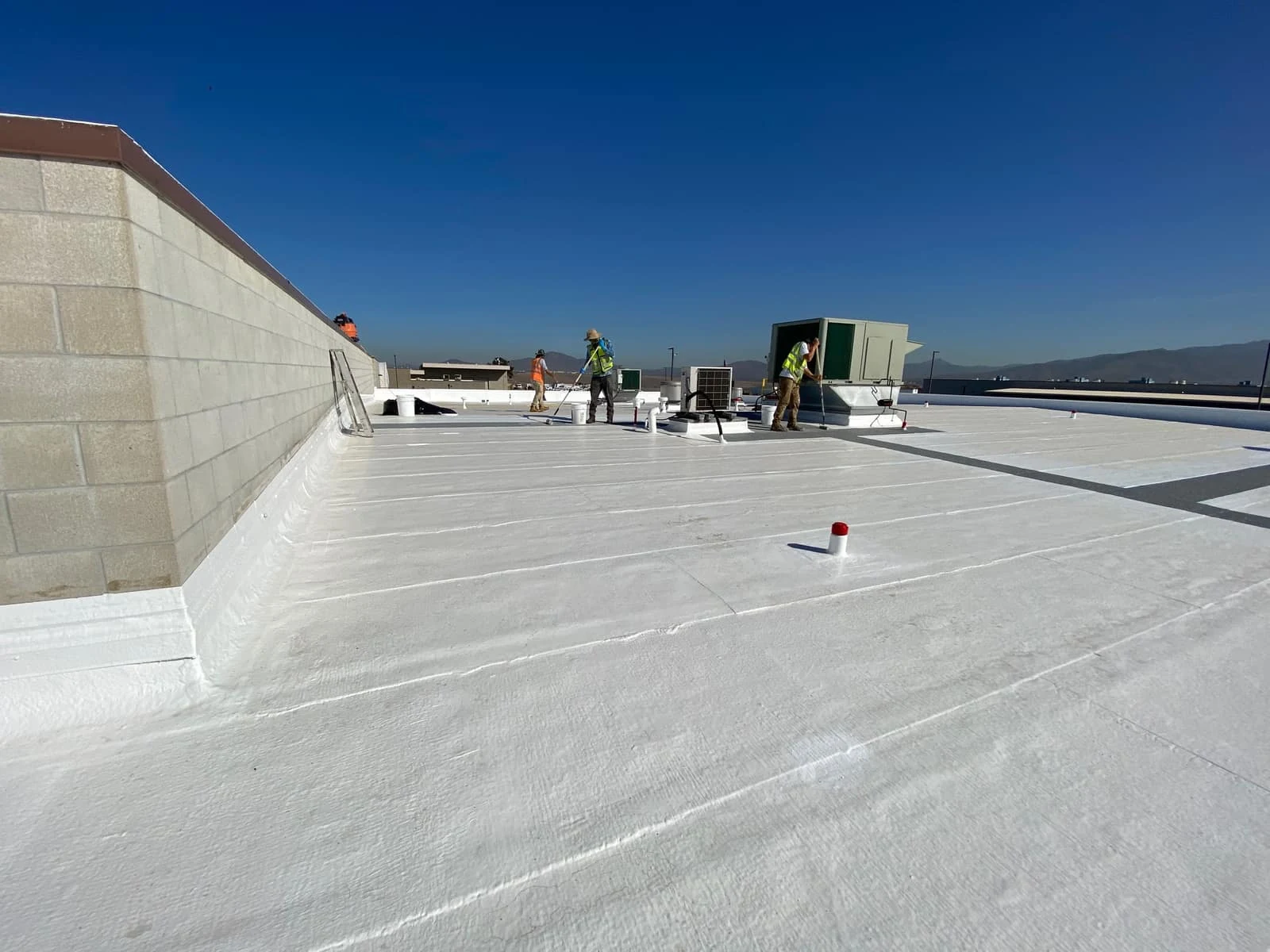
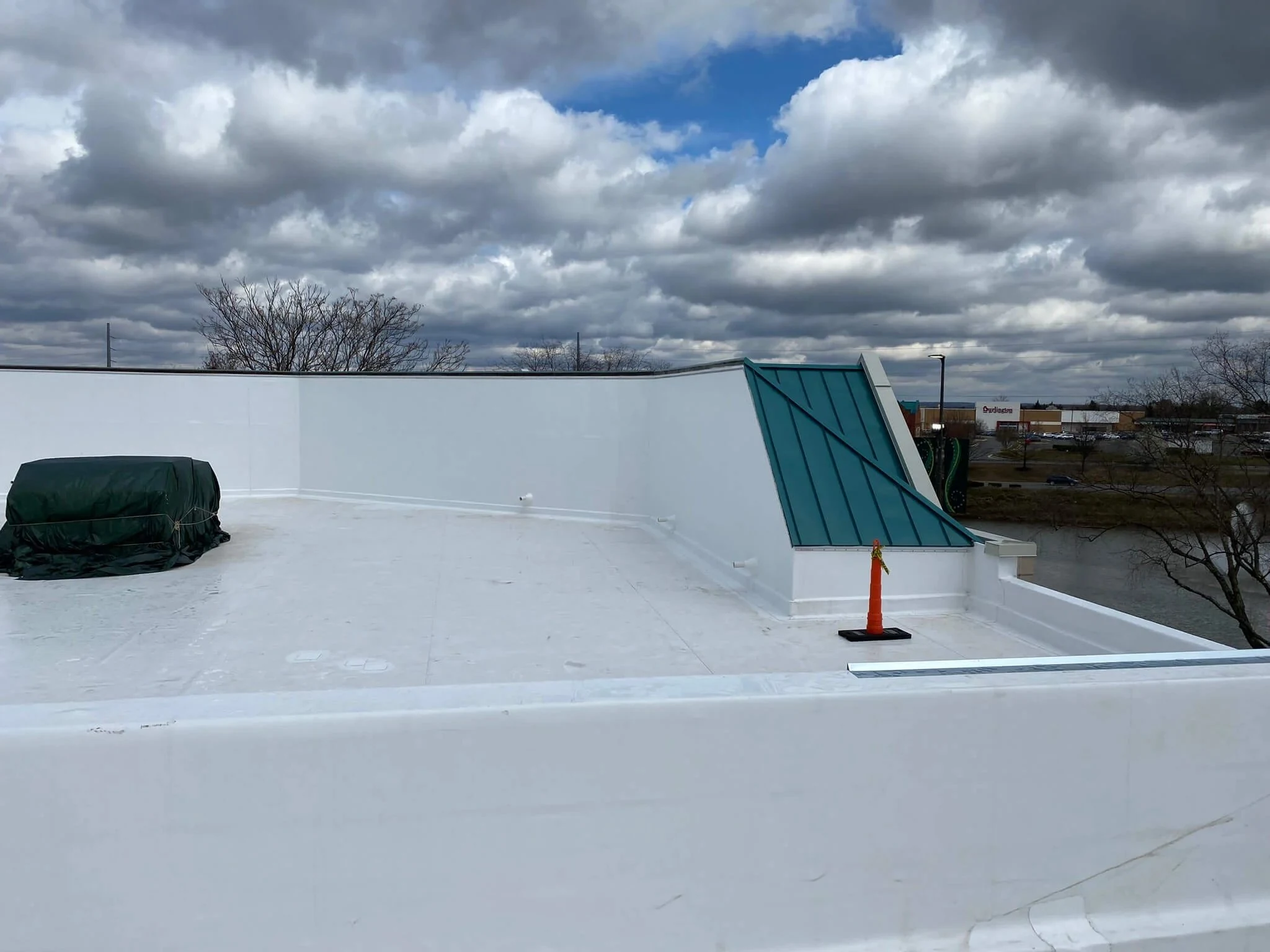
How black EPDM rubber roofing performs on Salem, Oregon commercial buildings, from seam tape durability to moss and algae growth under year-round moisture.
Commercial Roofing Assessment Framework
Document
Membrane and seams
Trace
Drainage and water paths
Review
Flashings and penetrations
Compare
Repair, recover, coating, replacement
Plan
Access, staging, weather protection
Protect
Occupants, equipment, and operations
Close Out
Photos, details, records, priorities
EPDM Black Roofing in Salem, OR: Roofing Detail
Black EPDM's Long Track Record in a Wet Climate
EPDM has been on commercial roofs longer than TPO or PVC, and in the Willamette Valley that track record matters. Black EPDM's seam tape technology has decades of field performance behind it, which is worth something on a roof that spends nine months of the year wet. It's not the newest system on the market, but newest isn't the same as best fit.
Why the Seam Chemistry Still Holds Up
Where TPO and PVC rely on heat welding, EPDM field seams are joined with adhesive seam tape. Done correctly, that tape bond is extremely durable and, unlike a hot-air weld, isn't dependent on getting a dry, warm application window, seam tape products are formulated to cure reliably across a wider temperature and moisture range than welding equipment tolerates. That's a real advantage on a project timeline that has to work around Salem's rain pattern rather than against it.
Attachment Method Changes the Moisture Story
Ballasted EPDM, membrane held down with river rock instead of mechanical fasteners, is common because it's economical and fast to install, but rock ballast also traps organic debris: leaves, needles, seeds, and the fine grit that blows in off nearby tree canopy. On a roof that rarely dries out completely between October and May, that trapped debris becomes a growing medium. We see moss and algae mats develop under ballast on shaded roofs faster than most owners expect, and by the time it's visible from the ground the growth has often been established for a season or more.
Fully adhered or mechanically attached EPDM doesn't have that ballast layer, which means less trapped organic material and a membrane surface you can actually walk and inspect without moving rock first.
Dark Surface, Overcast Climate
Black membrane absorbs more solar heat than a white or gray surface, which matters more in sunbelt climates than it does under Salem's cloud cover for most of the year. The bigger practical issue with a dark membrane here isn't heat, it's that moss, algae, and lichen growth is harder to spot early on a black surface than on a lighter one, especially from a quick walk-through rather than a close inspection.
- Check ballasted roofs for standing debris buildup at drains and low points at least twice a year
- Pull back a sample area of ballast in shaded zones to check for moss establishment under the rock
- Inspect seam tape edges for lifting, especially where the roof stays shaded longest through the day
- Keep gutters, scuppers, and drain strainers clear before the fall storm season starts
- Flag any dark, spongy patch on the membrane, that's often trapped moisture under organic growth, not only surface staining
Ponding on EPDM Behaves Differently Than on Welded Single-Ply Systems
EPDM tolerates ponding water reasonably well as a material, but ponding combined with a shaded, slow-drying roof accelerates organic growth regardless of membrane chemistry. Correcting slope with tapered insulation, or adding drains at genuine low points instead of relying on the original roof's drainage layout, does more for long-term performance than any membrane choice does on its own.
Older EPDM Roofs Already in Service Around Salem
A meaningful share of the EPDM roofs we inspect in the Salem area weren't installed recently, they're fifteen, twenty, or more years into service, often on state buildings and older warehouse stock that predate the current wave of single-ply reroofing. Assessing one of these roofs means checking current membrane condition along with the attachment method's full history: whether ballast has migrated or thinned over the decades, whether the original fastener rows on a mechanically attached roof are still sound, and whether seam tape that's decades old is still performing to the standard a newer roof would need.
Ice Storm Considerations
EPDM stays flexible at low temperatures better than some rigid membranes, which helps during the valley's occasional ice events. The bigger risk during an ice storm is usually ice fall from adjacent trees or parapet edges puncturing the membrane, not the cold itself affecting the rubber.
Mechanically Attached EPDM as a Middle Ground
Between fully ballasted and fully adhered lies mechanically attached EPDM, where the membrane is secured with fasteners and plates rather than rock or adhesive across the entire field. For a lot of Salem's warehouse and light-industrial roofs, this attachment method strikes a reasonable balance: no ballast layer trapping debris and moisture, but also less adhesive labor than a fully adhered system, which can matter on a large-format roof where a fully bonded install would eat up more of the limited dry-weather calendar.
The fastener pattern itself needs attention in this climate. Every fastener penetration is a place water can find its way toward the deck if the plate and membrane aren't sealed correctly, and on a roof that's rarely fully dry, a marginal fastener seal doesn't get the drying-out period it might in a drier region to reveal itself before real damage accumulates. We inspect fastener rows as carefully as we inspect seams on any mechanically attached EPDM roof.
What Owners Ask About Black EPDM
Does black EPDM cause higher cooling costs in Salem?
Some, but less than in sunnier climates given how much of the year is overcast here. It's a secondary consideration compared to seam and drainage performance.
Is ballasted EPDM a bad choice under trees?
Not automatically, but it needs more frequent debris and moss inspection than a fully adhered system in the same location.
How do you find a seam tape failure before it leaks?
Regular visual inspection of seam edges, especially in shaded areas, catches lifting tape before it becomes an active leak.
Can EPDM be recoated instead of replaced?
Often, if the membrane itself is sound and the issue is UV degradation or minor seam wear rather than structural failure.
Does moss growth actually damage the membrane?
Yes, over time. Moss holds moisture against the surface and its root structures can degrade membrane surfaces gradually, especially at seams.
Assessment Priorities
Membrane condition, seams, flashings, penetrations, drains, scuppers, edge metal, rooftop equipment, traffic patterns, and visible moisture evidence are reviewed together before a repair, coating, recover, or replacement path is recommended.
Planning Around the Facility
Access, staging, noise, odor, delivery windows, weather protection, occupied spaces, interior protection, and daily dry-in procedures are planned for the way the commercial property must continue operating.
From Findings to a Clear Scope
Observed conditions are documented so building owners and facility teams can compare immediate repairs, maintenance priorities, system options, budget timing, and closeout requirements without losing sight of the building below the deck.
Ready to review the roof scope?
Roof Systems
1 of 2
Commercial Roofing Across the Salem Area