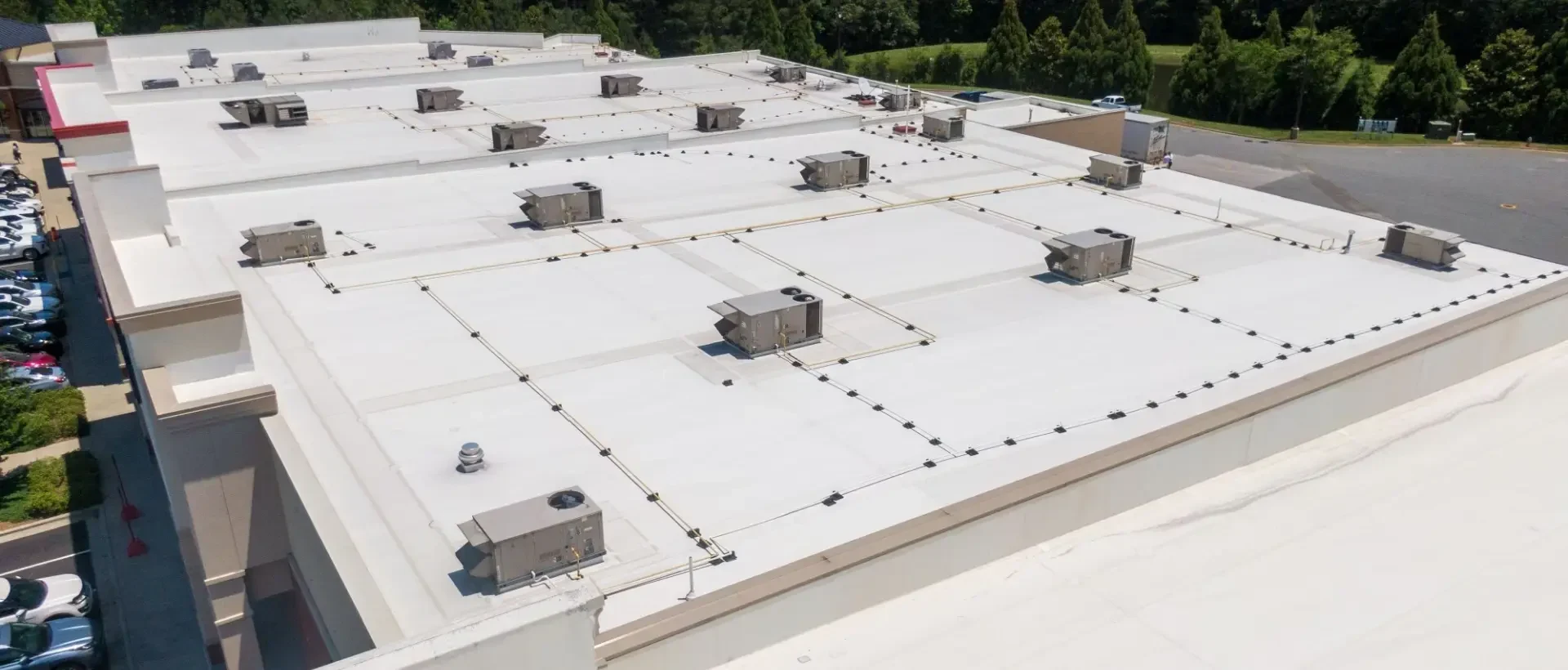
EPDM White Roofing in Salem, OR
Roof SystemsServing Salem and the central Willamette Valley
Request a Roof Assessment
Commercial roofing in Salem, Oregon
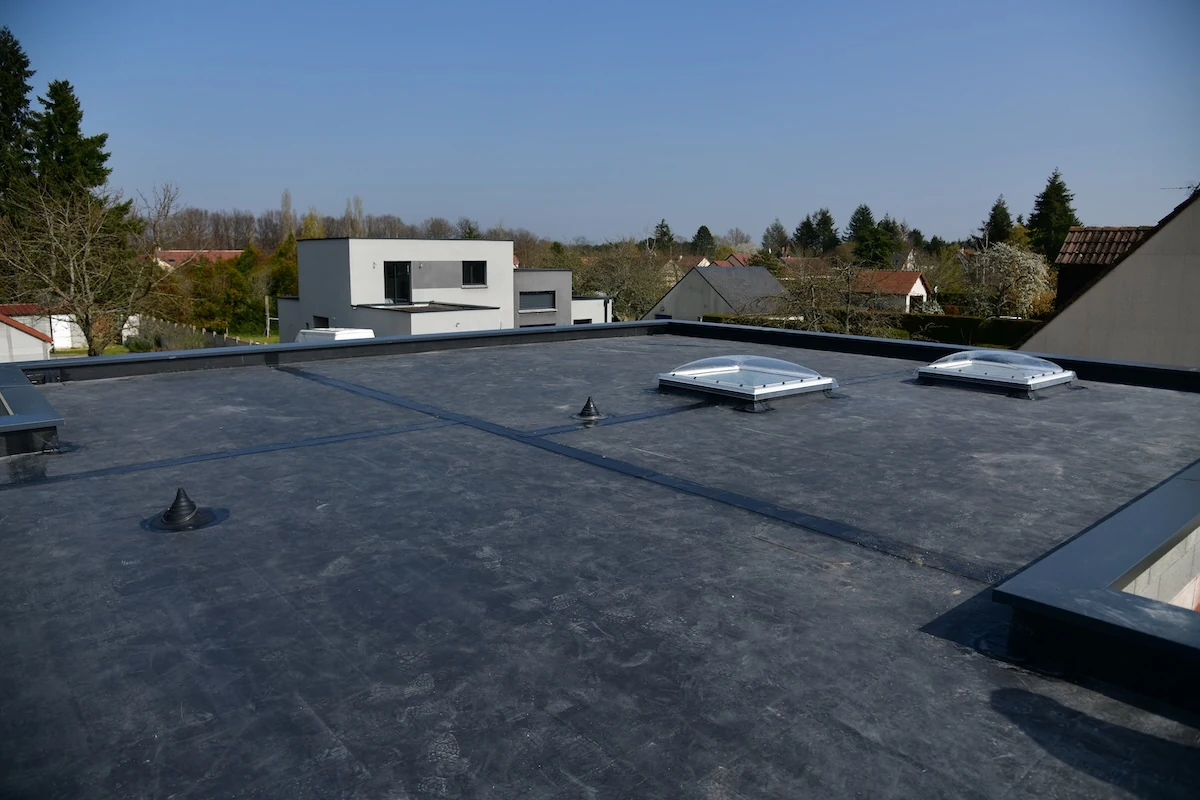
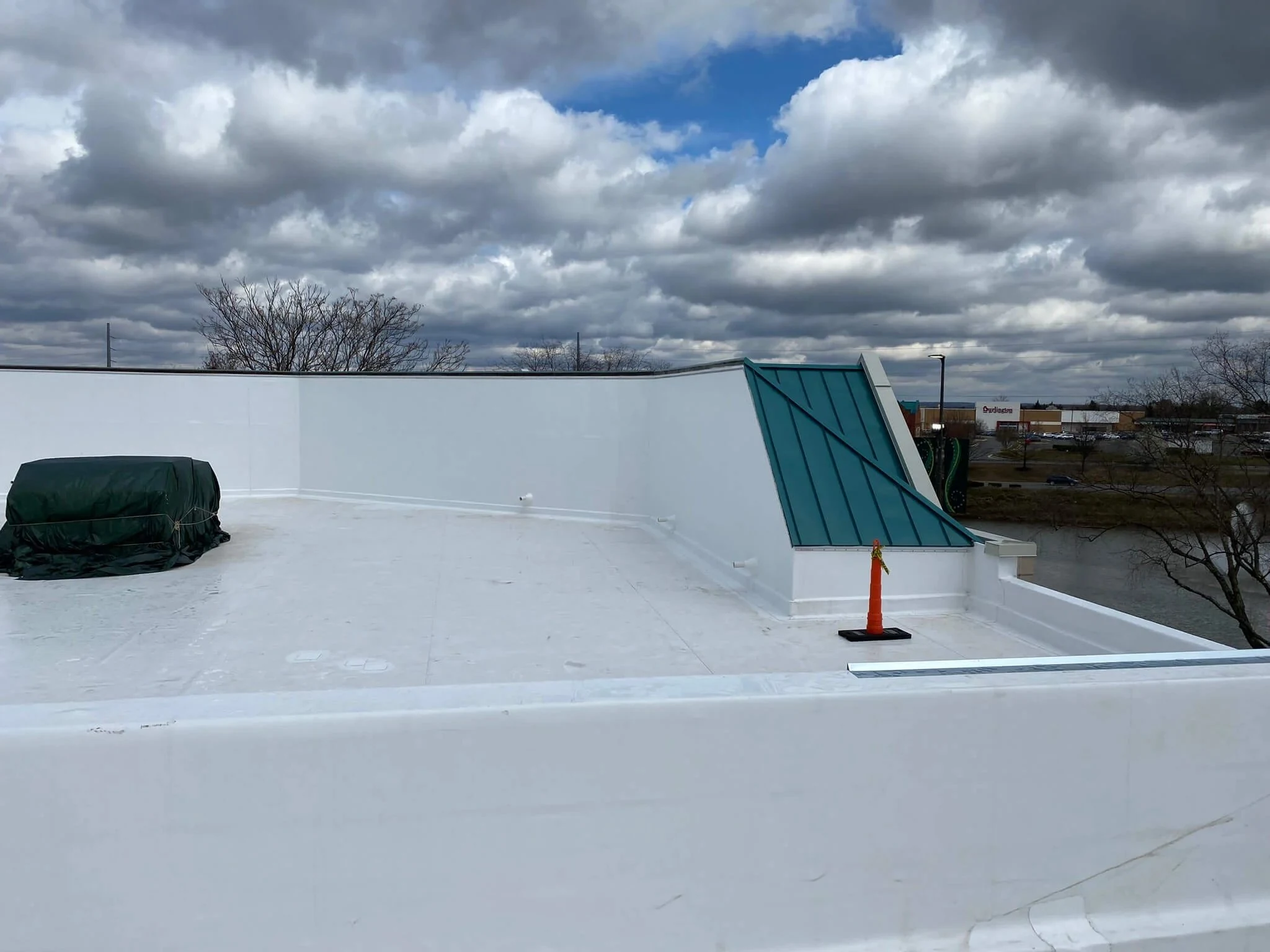
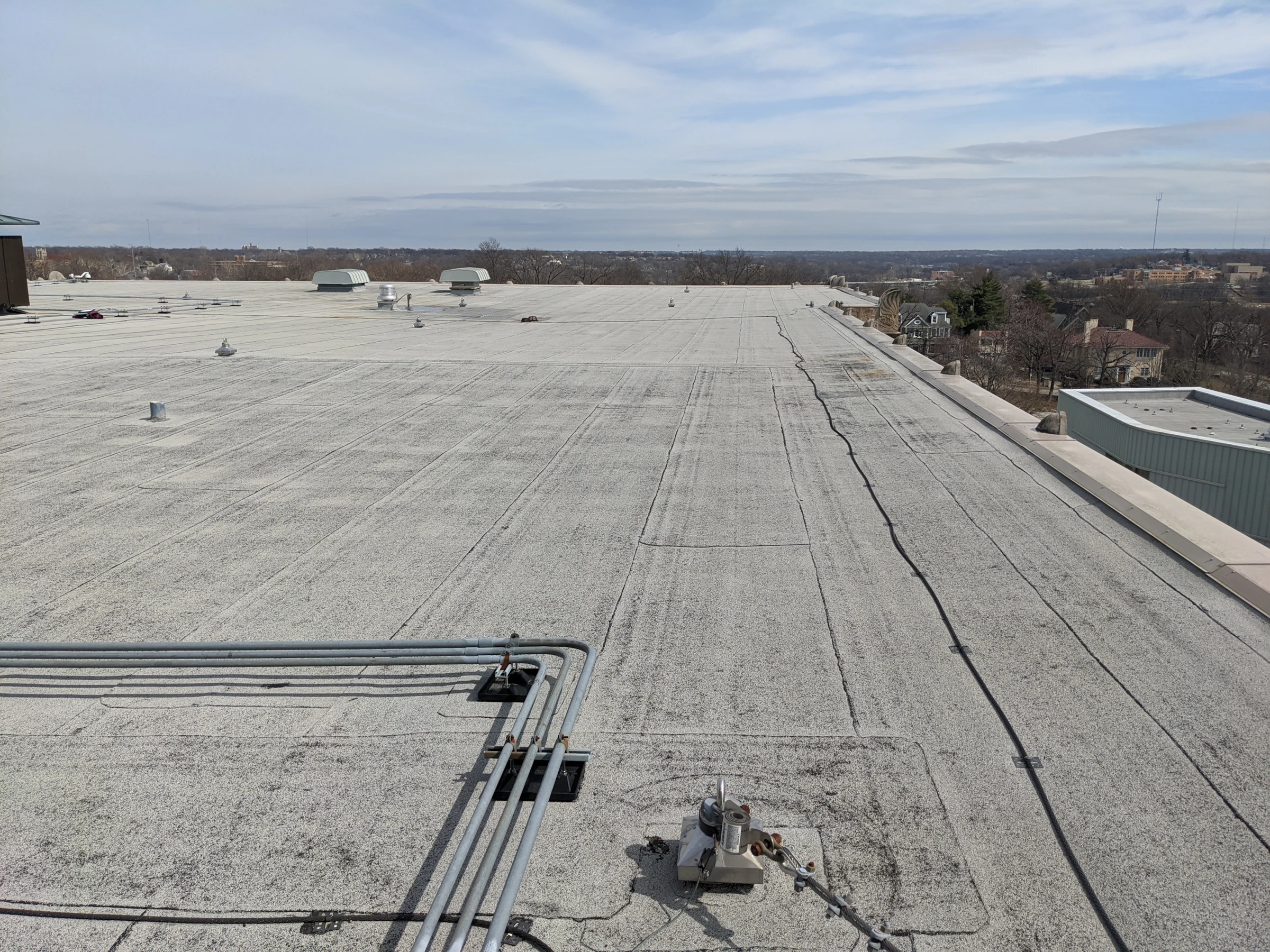
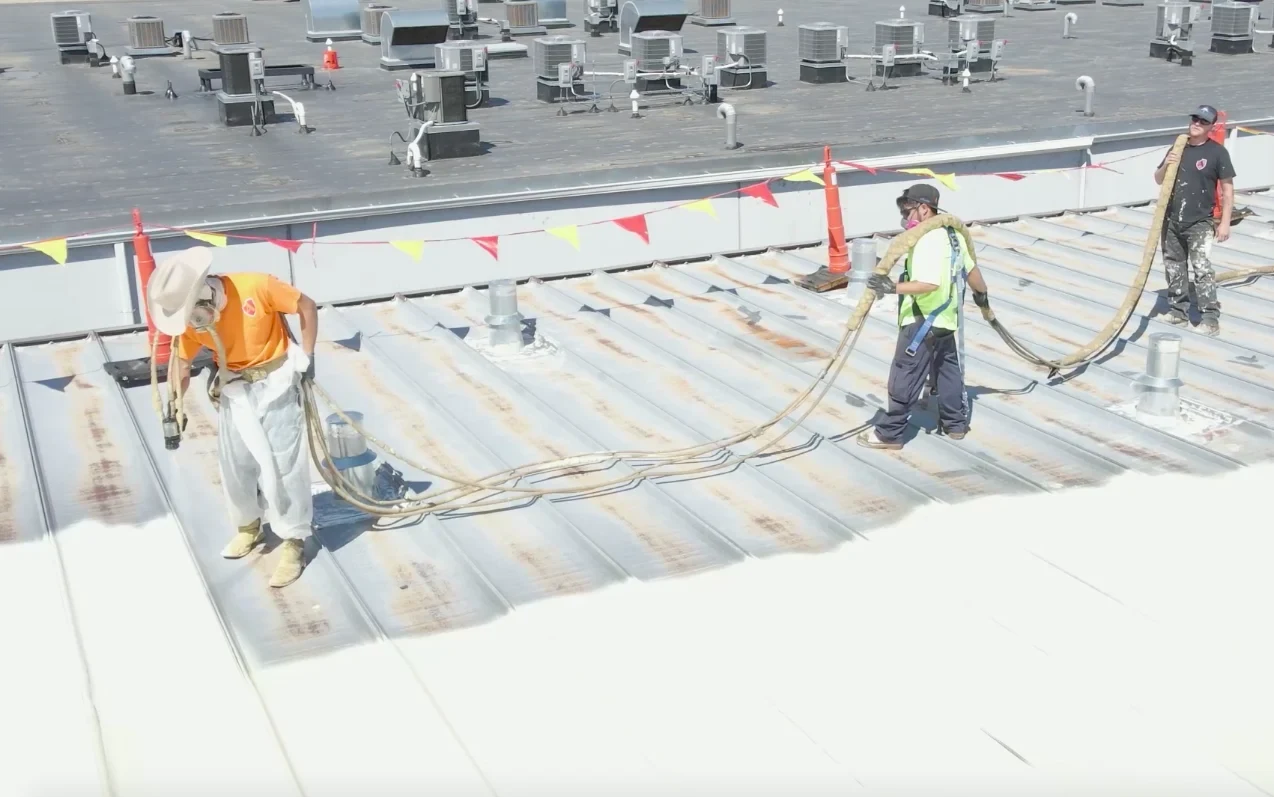
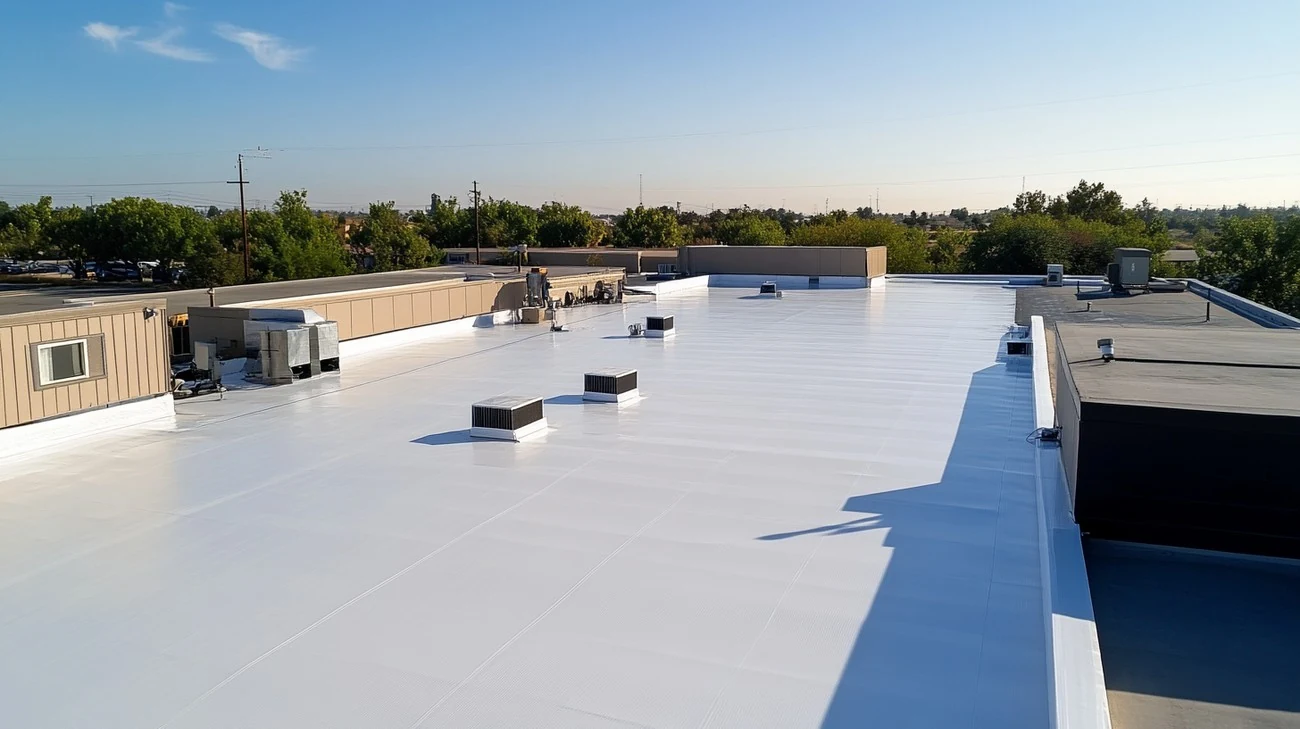
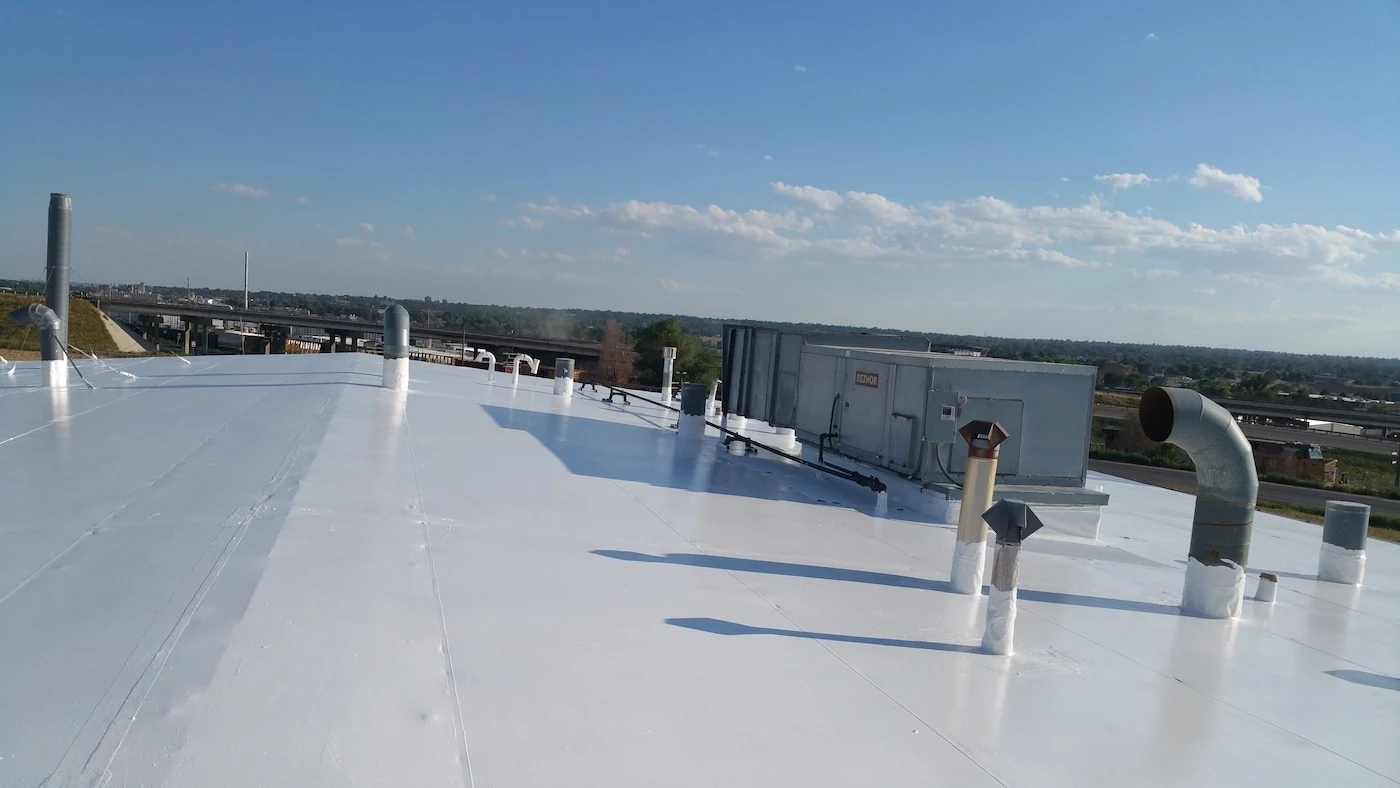
White-surfaced EPDM membrane options for Salem, Oregon commercial roofs, covering reflectivity, inspection visibility, and moisture-season maintenance.
Commercial Roofing Assessment Framework
Document
Membrane and seams
Trace
Drainage and water paths
Review
Flashings and penetrations
Compare
Repair, recover, coating, replacement
Plan
Access, staging, weather protection
Protect
Occupants, equipment, and operations
Close Out
Photos, details, records, priorities
EPDM White Roofing in Salem, OR: Roofing Detail
Why Some Salem Owners Choose White-Surfaced EPDM
White EPDM keeps the same rubber membrane chemistry and seam tape system as standard black EPDM, with a reflective white surface laminated or coated onto the sheet. For a lot of Salem buildings the reflectivity itself is a secondary benefit, the bigger practical difference is how much easier a white surface makes it to catch problems early on a roof that stays wet most of the year.
Same Membrane, Different Surface Behavior
Structurally, white EPDM performs the same as black EPDM: same base rubber compound, same field-seam tape approach, same flexibility range in cold weather. What changes is the top surface, which reflects rather than absorbs solar radiation. In a climate with as much cloud cover as the Willamette Valley, the cooling-load argument for reflective roofing is real but modest compared to what it delivers in a sunbelt market.
Visibility Is the Underrated Advantage Here
On a dark membrane, standing water, algae staining, and early moss establishment blend into the surface and are easy to miss on a routine walk-through. On white EPDM, all three show up in sharp contrast, a ponding area reads as a distinct gray or brown ring, and moss or algae growth stands out immediately against the white background. For a roof that spends nine months a year wet, catching organic growth in its first season instead of its third season is a meaningful difference in how much repair work it eventually needs.
Where the Reflective Surface Needs Attention
A white membrane shows dirt and staining faster, which is a maintenance consideration rather than a performance flaw. Debris that collects near drains and low points is more visible, which we treat as useful information rather than a cosmetic problem, it's telling you where water is sitting longest.
- Walk the roof after the first hard rain of fall and note where staining patterns show water isn't draining fully
- Check seam edges near any visible discoloration first, since staining often marks a slow leak point
- Clear drain strainers before leaf drop finishes each year, not after
- Note any dark green or black patches early, those are moss or algae starting to establish
- Keep a simple photo record of the roof surface each season to track staining patterns over time
Government and Institutional Buildings Benefit From the Inspection Angle
State and county facility managers around Salem often manage a portfolio of roofs with limited staff time for hands-on inspection. A membrane where problems are visible from a quick walk-through, rather than requiring close inspection of every seam, fits that kind of maintenance reality better than a dark surface does.
Cold Weather and Occasional Ice
White EPDM handles the valley's rare ice events the same way black EPDM does, the rubber compound stays flexible at low temperatures, and the reflective surface has no meaningful effect on cold-weather performance. Ice fall from nearby trees remains the more likely source of physical damage during a freeze event than the membrane's own behavior.
Retrofitting White Surfacing Onto an Existing Black EPDM Roof
For a building already running black EPDM, converting to a white surface generally means either a compatible reflective coating over the existing membrane or, on a roof reaching the end of its service life anyway, replacing with white EPDM outright rather than trying to retrofit reflectivity onto rubber that's already aged past the point where a coating will bond and perform reliably. We evaluate the existing membrane's condition first before recommending either path.
Cost and Availability
White EPDM typically costs somewhat more than standard black EPDM for the same thickness, reflecting the additional surface treatment. For owners weighing that premium, the inspection-visibility benefit is often the deciding factor in a climate like this one, more than the reflectivity itself.
Where the Contrast Advantage Matters Most
The visibility benefit isn't uniform across every roof. On a roof with heavy tree canopy shading a large section, common around Salem's older commercial parcels near the capitol grounds and the riverfront, a white surface makes the boundary between a healthy, dry section and a chronically damp, algae-prone section obvious at a glance. On a roof with minimal shading and good drainage to begin with, the contrast advantage is real but less consequential, since there's simply less organic growth risk to catch early in the first place.
We weigh that shading pattern specifically when a client asks whether white EPDM is worth the added cost over black. A sunny, well-drained roof gets less practical benefit from the reflectivity and visibility combination than a shaded roof with known ponding history, even though both would perform adequately with either surface color from a pure waterproofing standpoint.
Common Questions About White EPDM
Does white EPDM actually stay clean in a rainy climate?
It stays cleaner than a dark roof would look, but it does show staining and organic growth more visibly, which is useful for early detection, not a flaw to avoid.
Is white EPDM worth it if energy savings are secondary here?
For many owners, yes, because the inspection benefit and UV-related longevity gains matter independently of cooling costs.
Can you recoat white EPDM to restore reflectivity?
In many cases, a compatible coating can refresh a faded white surface without a full membrane replacement, depending on the membrane's condition.
Does the white surface affect seam tape performance?
No, the seam system is the same underlying EPDM tape technology regardless of surface color.
How often should a white EPDM roof be power washed?
Gentle low-pressure cleaning once a year is usually enough to keep staining from masking early warning signs, more often near heavy tree canopy.
Assessment Priorities
Membrane condition, seams, flashings, penetrations, drains, scuppers, edge metal, rooftop equipment, traffic patterns, and visible moisture evidence are reviewed together before a repair, coating, recover, or replacement path is recommended.
Planning Around the Facility
Access, staging, noise, odor, delivery windows, weather protection, occupied spaces, interior protection, and daily dry-in procedures are planned for the way the commercial property must continue operating.
From Findings to a Clear Scope
Observed conditions are documented so building owners and facility teams can compare immediate repairs, maintenance priorities, system options, budget timing, and closeout requirements without losing sight of the building below the deck.
Ready to review the roof scope?
Roof Systems
1 of 2
Commercial Roofing Across the Salem Area