PVC Roofing Systems in Salem, OR
Roof SystemsServing Salem and the central Willamette Valley
Request a Roof Assessment
Commercial roofing in Salem, Oregon
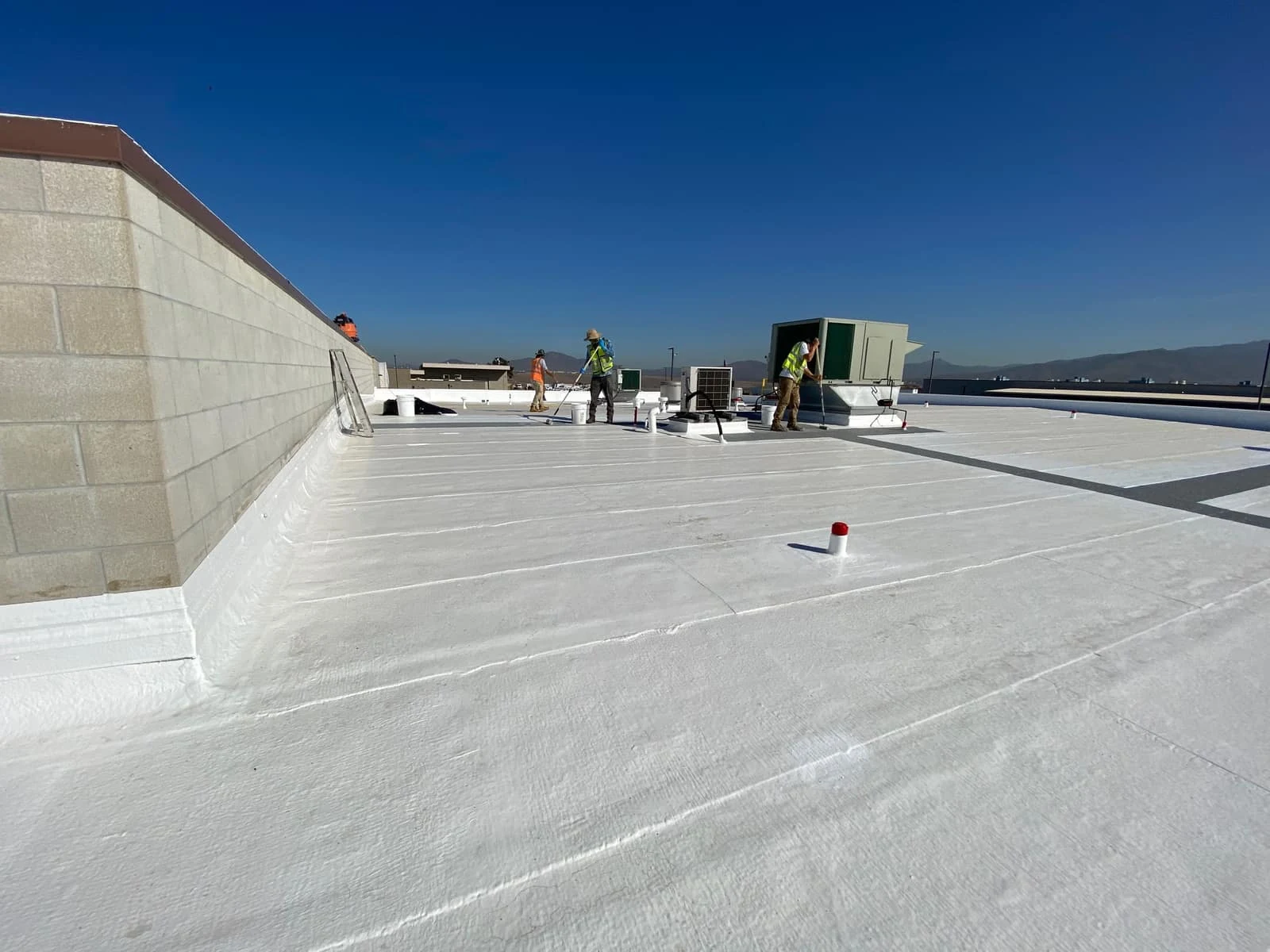
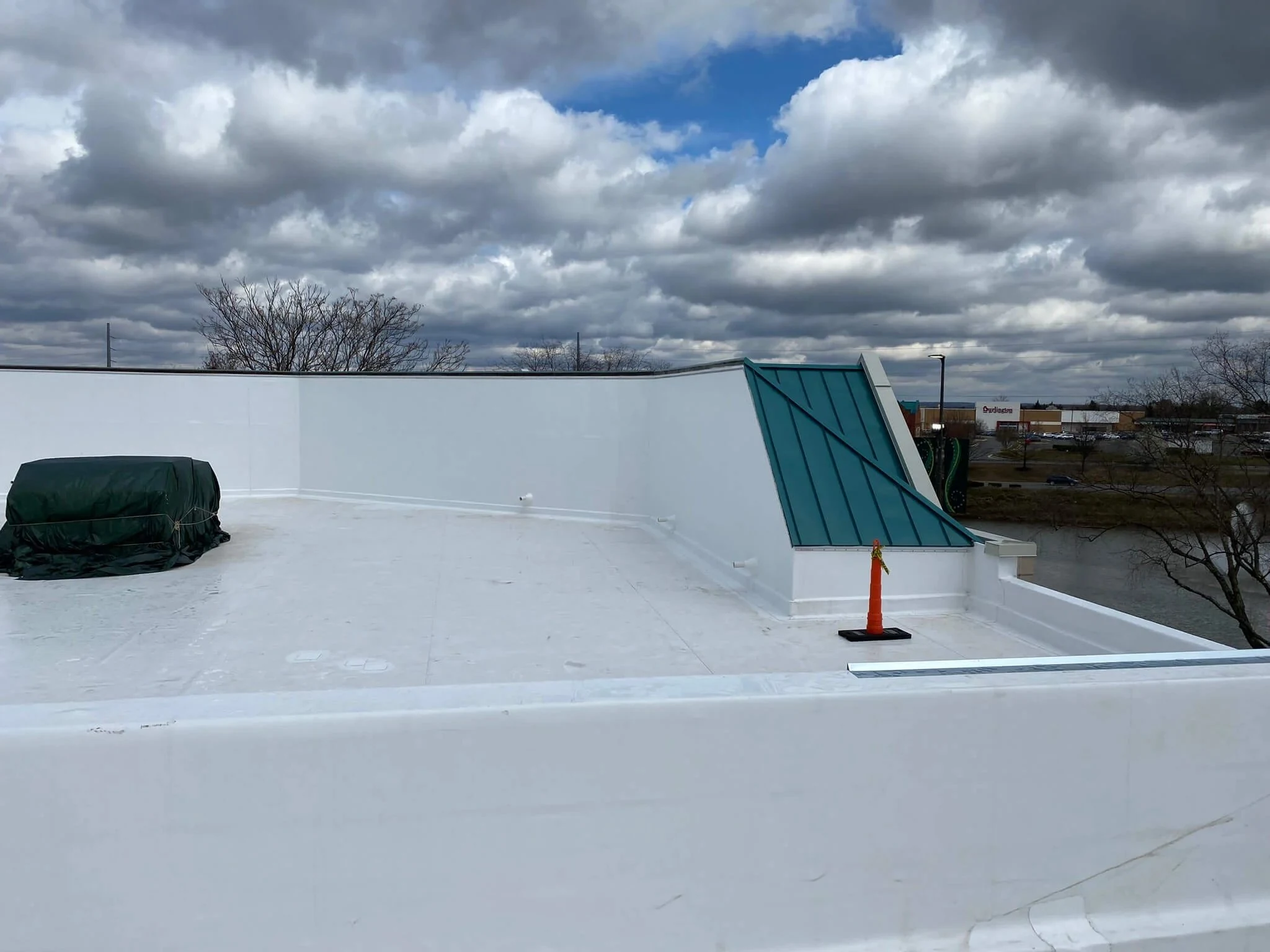
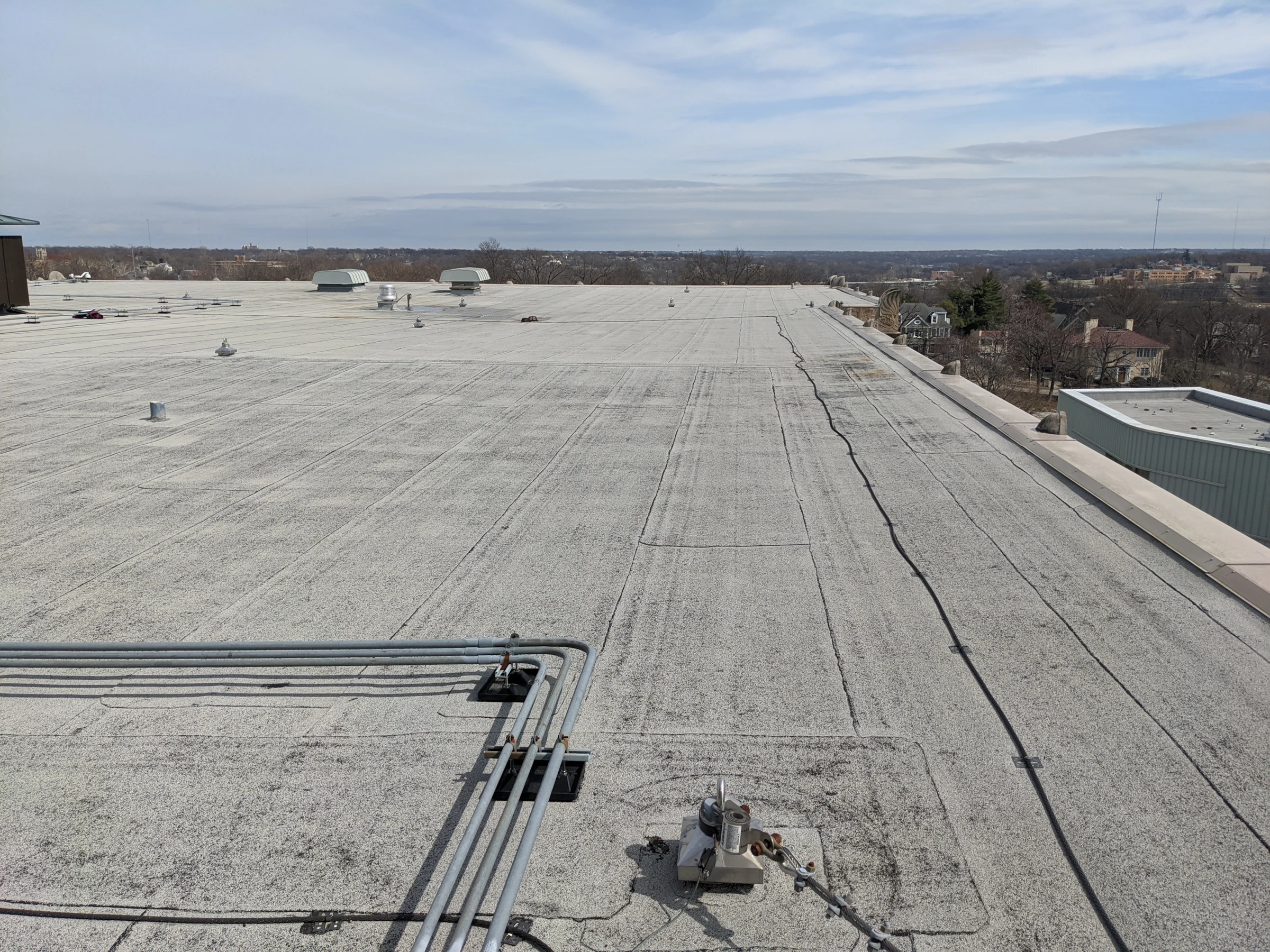
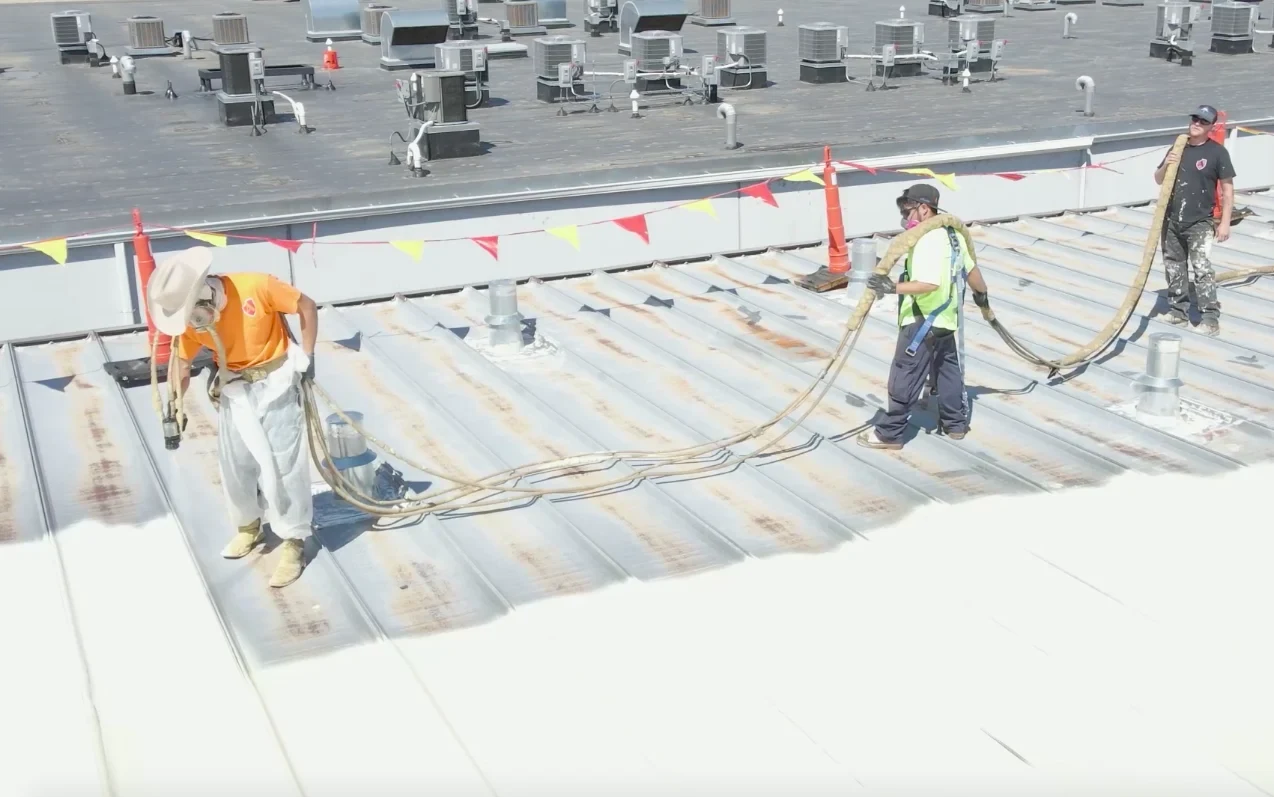
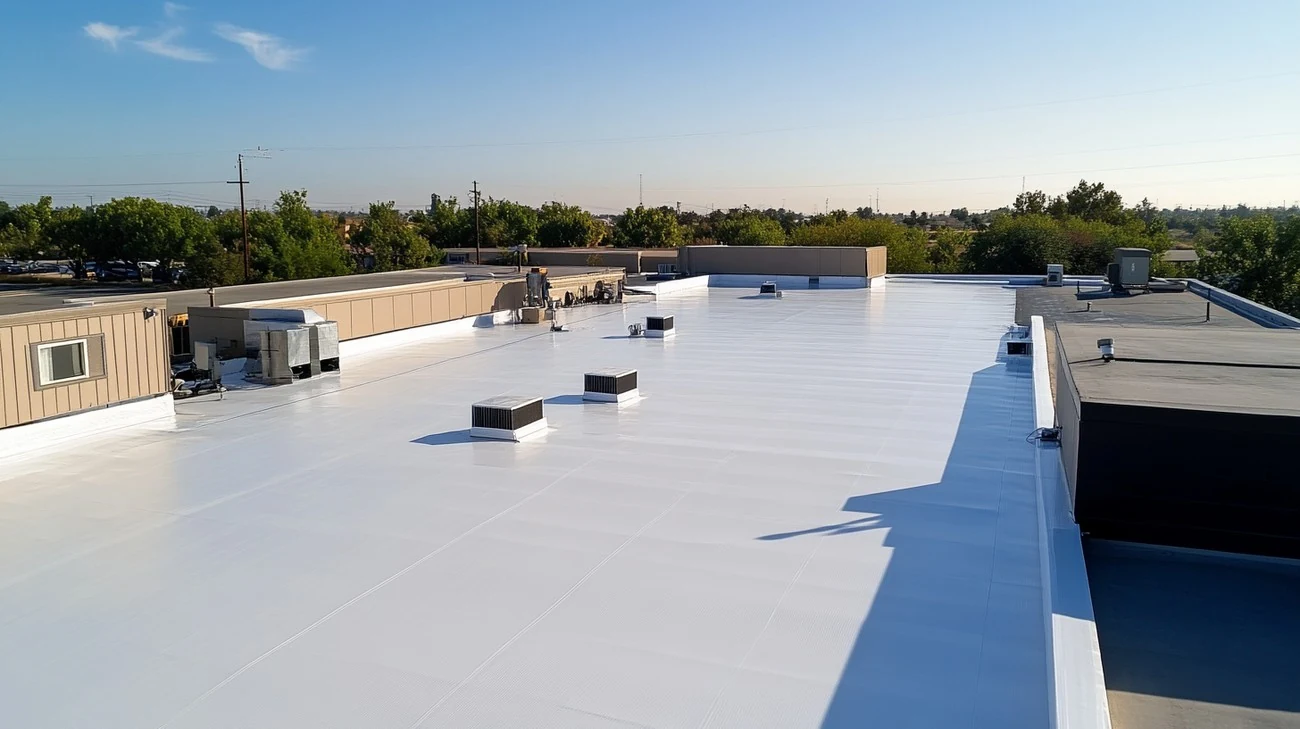
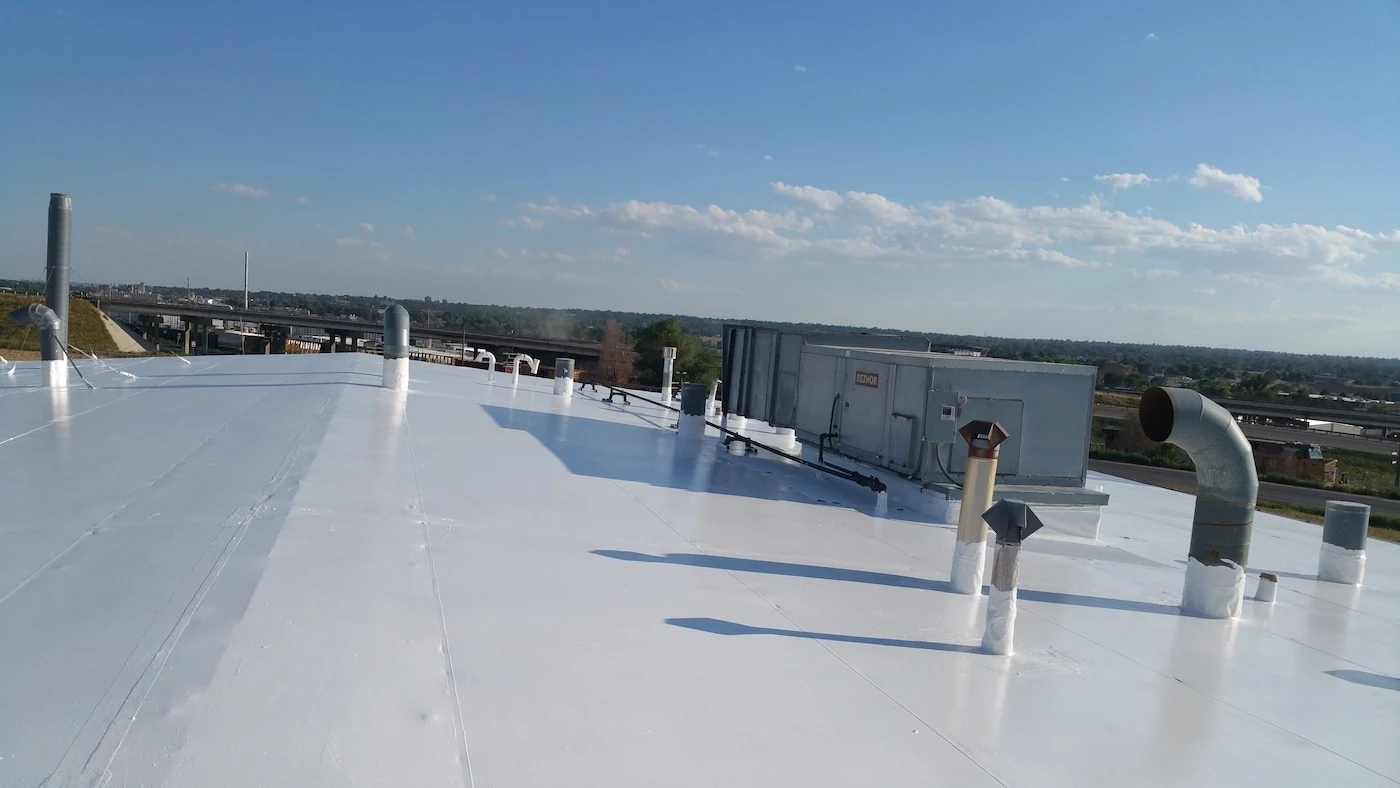
PVC single-ply roofing for Salem, Oregon food-processing, cold-storage, and institutional buildings, covering chemical resistance and wet-season seam welding.
Commercial Roofing Assessment Framework
Document
Membrane and seams
Trace
Drainage and water paths
Review
Flashings and penetrations
Compare
Repair, recover, coating, replacement
Plan
Access, staging, weather protection
Protect
Occupants, equipment, and operations
Close Out
Photos, details, records, priorities
PVC Roofing Systems in Salem, OR: Roofing Detail
PVC's Advantage on Grease-Exposed Salem Roofs
PVC roofing gets specified for one reason more than any other around Salem's food and ag processing corridor: chemical resistance. Kitchen and processing exhaust puts oils and greases directly onto nearby roof sections in a way that degrades some membranes over time. PVC's chemistry resists that exposure better than most single-ply alternatives, which makes it worth understanding even for owners who aren't running a processing plant.
Why Grease and Exhaust Exposure Matters Here
Salem and the surrounding valley towns run a meaningful concentration of food processing, cold storage, and ag-related manufacturing. Rooftop exhaust from fryers, smokers, and processing equipment routinely settles on the roof surface downwind of the vent. Some membrane types absorb those oils over time, which softens the material and shortens its service life. PVC's polymer structure resists that kind of chemical attack significantly better, which is why we default to it on any roof with a grease-producing exhaust source nearby, even if the rest of the building isn't food-related.
Heat-Welded Seams, Same Wet-Season Discipline as TPO
PVC seams weld with hot air, the same basic process as TPO, and the same rules apply for installation quality in a climate this wet: dry substrate, dry weld, and probe testing on every seam rather than a sample. PVC seams have a particularly strong reputation for weld strength when done correctly, which is part of why the system shows up so often on institutional buildings with long-term ownership horizons, hospitals, schools, and government facilities that plan to keep the roof for its full warranty term rather than sell the building in five years.
Cold Storage and Refrigeration Roofs Add Complexity
Cold storage buildings, common around Salem's food distribution network, create their own roofing challenge: condensation from the temperature differential between refrigerated interior space and the roof deck can drive moisture into the roof assembly from below, not only from rain above. Vapor retarders and insulation design matter as much as membrane choice on these buildings, and PVC's weldable detail work makes it easier to seal complex penetrations around refrigeration equipment tightly.
- Confirm the membrane spec explicitly addresses grease and chemical exposure, not only general weathering
- Ask whether the installer probe-tests all seams, particularly around exhaust and refrigeration penetrations
- Check that vapor retarder design is addressed separately on any cold storage or refrigerated building
- Verify flashing details around processing exhaust stacks use the same weld standard as the field membrane
- Ask about the plasticizer formulation and expected flexibility retention over the warranty term
Drainage Still Comes First
Chemical resistance solves one problem, not every problem. A PVC roof with poor drainage still ponds, and ponding near a grease-exposed area concentrates both moisture and residue in the same low spot, the worst combination for long-term membrane health. We look at slope and drain placement before recommending PVC as the fix for a roof that's really struggling with standing water.
Institutional Buildings and Long Ownership Horizons
Hospitals, school districts, and state agencies tend to hold buildings for decades rather than years, which changes how they should think about roofing. PVC's stronger long-term weld reputation and resistance to a broader range of rooftop chemical exposure fits an ownership horizon where the roof needs to perform reliably for fifteen or twenty years with predictable maintenance, not only clear a warranty inspection.
Occasional Ice and Cold-Weather Installation
Like other welded membranes, PVC installation needs a dry, reasonably mild window to weld properly. During the valley's rare ice events, we're more focused on protecting an already-installed roof from ice fall and freeze-thaw at flashing details than on installing new PVC in those conditions.
Ag Equipment Yards and Processing Line Exhaust
Beyond food processing proper, a lot of Salem's ag-support businesses run equipment washdown areas, fertilizer and chemical storage, and diesel equipment yards adjacent to their main structures, sometimes with rooftop-mounted dust collection or exhaust systems tied to grain or seed handling. Those systems can put particulate and chemical residue on a roof surface in ways that are easy to overlook during a standard roof evaluation focused only on the main building envelope. When we assess a roof for PVC, we walk the full rooftop and ask what's actually venting nearby, not only what's listed on the building's original mechanical plans, since additions and retrofits often outpace the paperwork.
PVC's resistance to this kind of exposure is a genuine advantage, but it isn't unlimited. Certain aggressive chemical exposures still warrant a conversation with the manufacturer about formulation compatibility before installation, rather than assuming any PVC product handles any chemical environment equally well.
PVC Roofing Questions From Salem Owners
Is PVC roofing only worth it for food processing buildings?
No. It's the strongest choice there, but its weld strength and detail flexibility make it a solid option for any complex roof with heavy penetrations, regardless of industry.
How does PVC compare to TPO in cost?
PVC typically costs more per square than standard TPO, reflecting its chemical resistance and weld performance advantages.
Does PVC handle ponding water differently than TPO?
Both tolerate ponding reasonably well as materials, but neither corrects a drainage problem. Slope design matters more than membrane choice for standing water.
Can PVC be installed over an existing built-up roof?
Often, once the existing roof and deck are evaluated for suitability as a recover substrate.
Does grease exposure void a PVC warranty?
Warranty terms vary by manufacturer and project, which is why we confirm chemical exposure conditions are documented in the spec before installation, not after.
Assessment Priorities
Membrane condition, seams, flashings, penetrations, drains, scuppers, edge metal, rooftop equipment, traffic patterns, and visible moisture evidence are reviewed together before a repair, coating, recover, or replacement path is recommended.
Planning Around the Facility
Access, staging, noise, odor, delivery windows, weather protection, occupied spaces, interior protection, and daily dry-in procedures are planned for the way the commercial property must continue operating.
From Findings to a Clear Scope
Observed conditions are documented so building owners and facility teams can compare immediate repairs, maintenance priorities, system options, budget timing, and closeout requirements without losing sight of the building below the deck.
Ready to review the roof scope?
Roof Systems
1 of 2
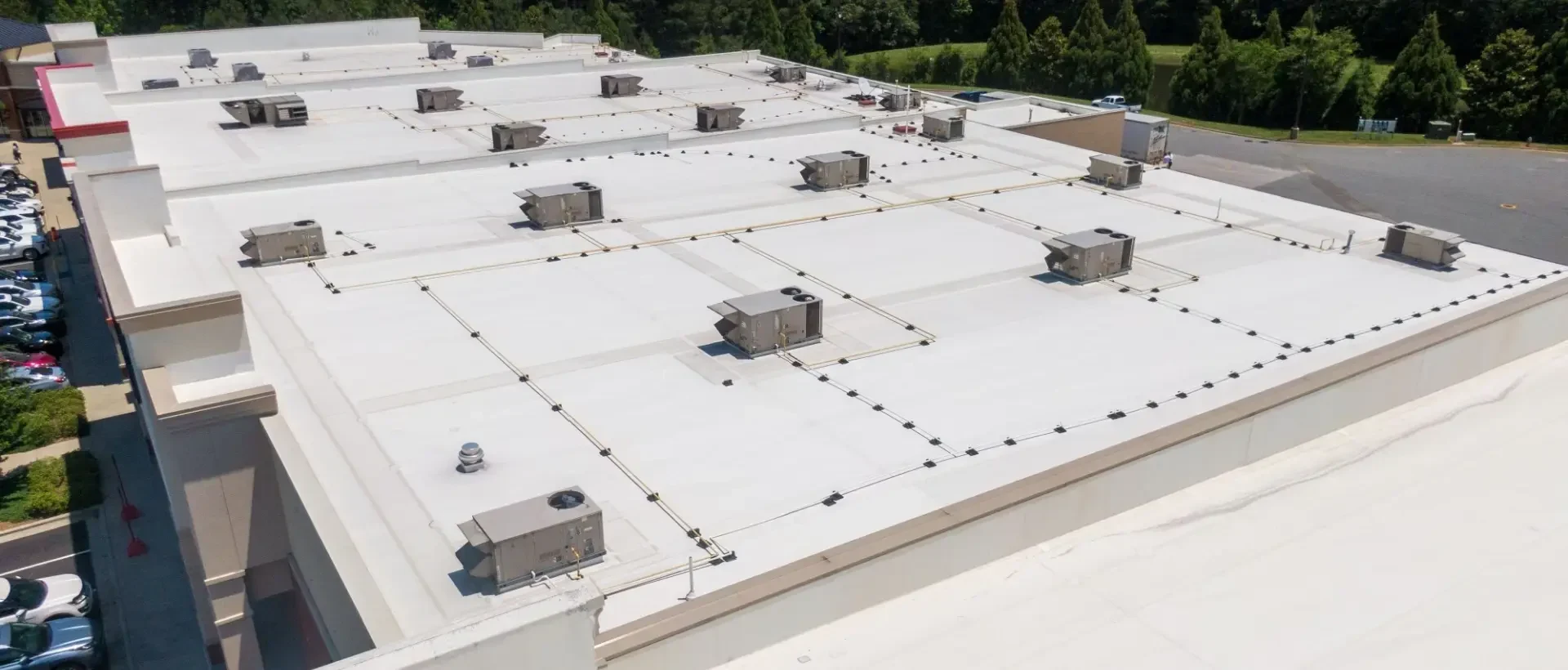
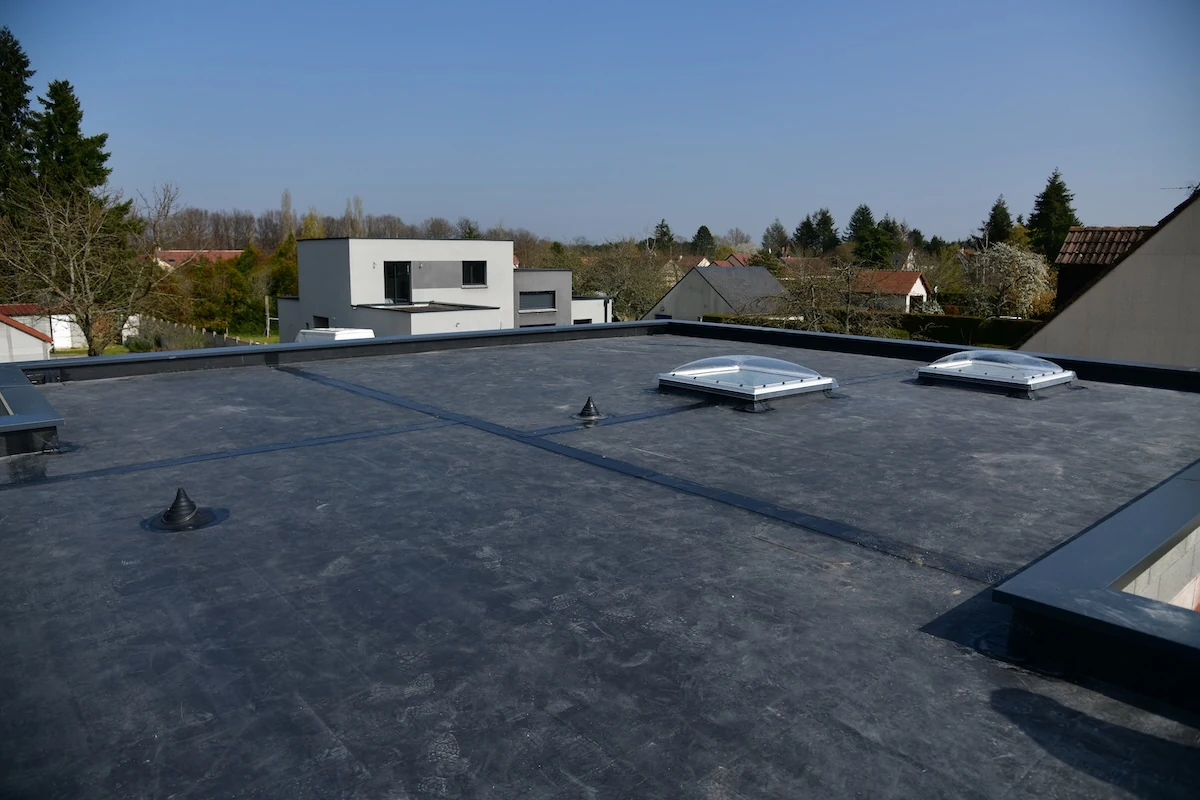
Commercial Roofing Across the Salem Area