Silicone Roof Coatings in Salem, OR
Roof SystemsServing Salem and the central Willamette Valley
Request a Roof Assessment
Commercial roofing in Salem, Oregon
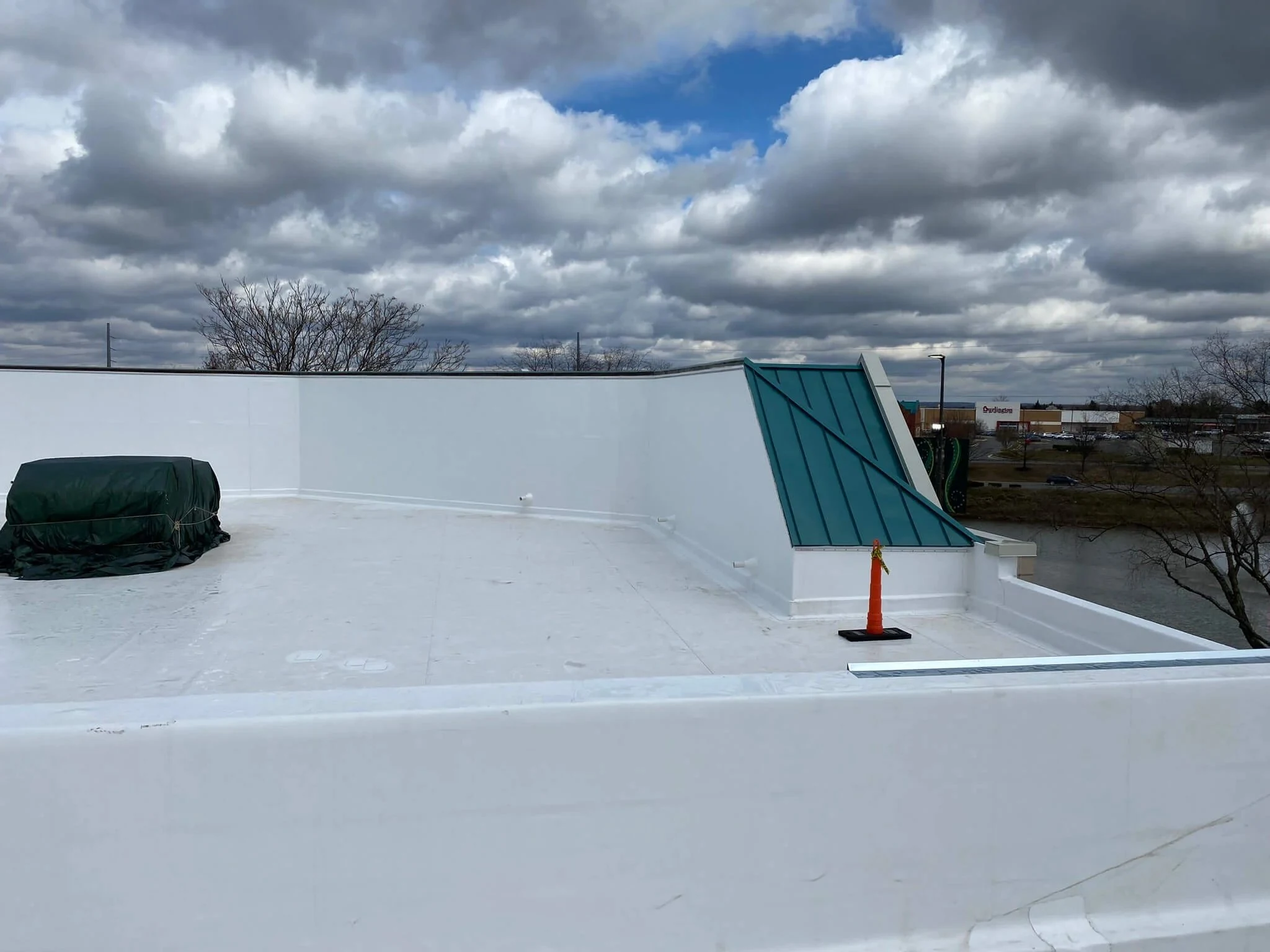
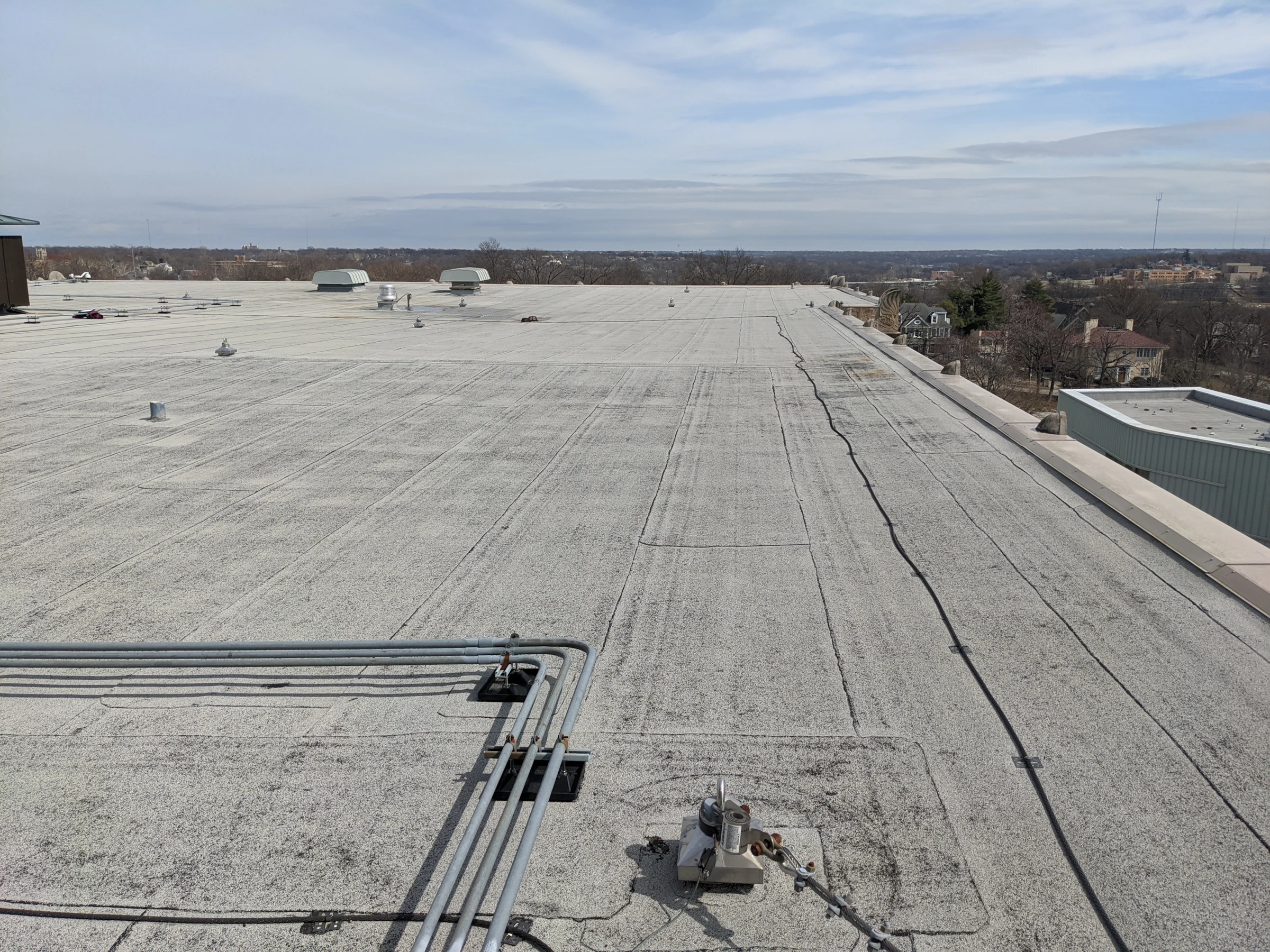
Silicone roof coating restoration for Salem, Oregon commercial buildings, covering ponding tolerance, moisture-cure chemistry, and recover-versus-replace calls.
Commercial Roofing Assessment Framework
Document
Membrane and seams
Trace
Drainage and water paths
Review
Flashings and penetrations
Compare
Repair, recover, coating, replacement
Plan
Access, staging, weather protection
Protect
Occupants, equipment, and operations
Close Out
Photos, details, records, priorities
Silicone Roof Coatings in Salem, OR: Roofing Detail
Restoring, Not Replacing, an Aging Salem Roof
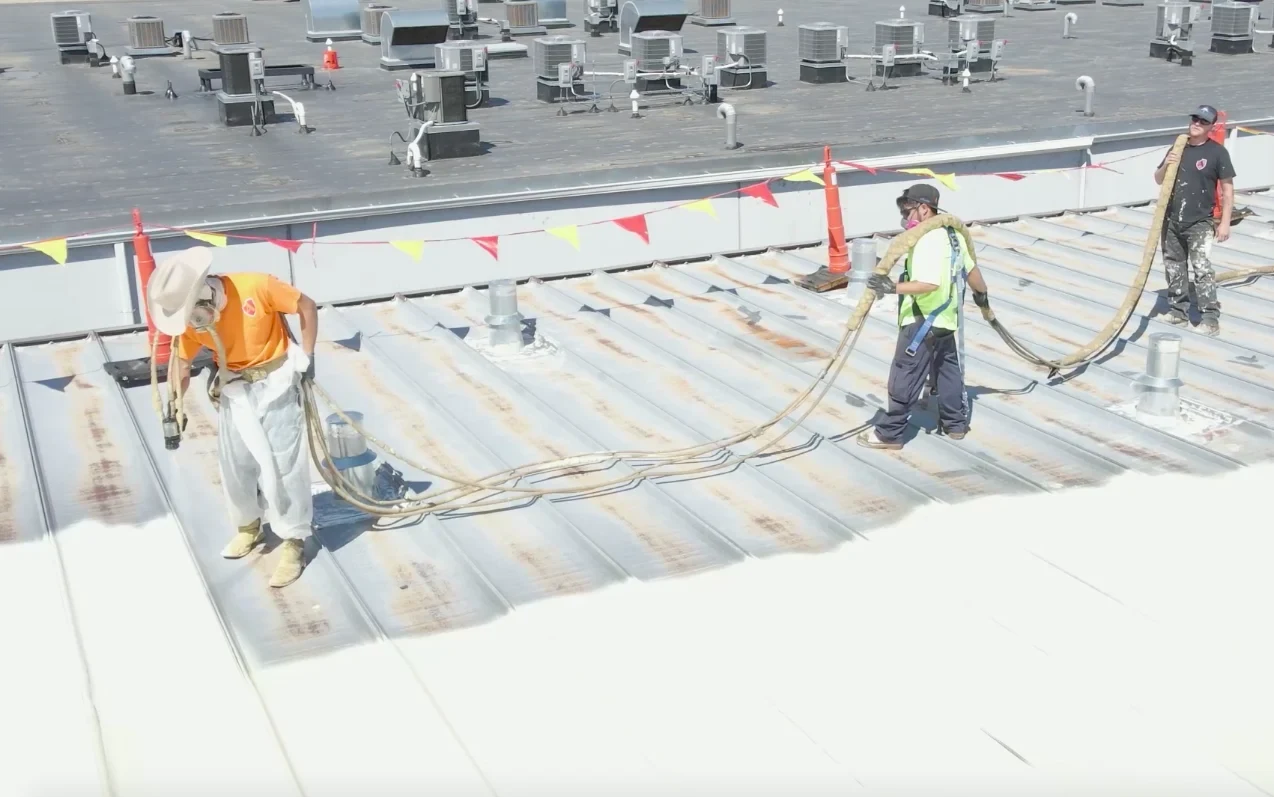
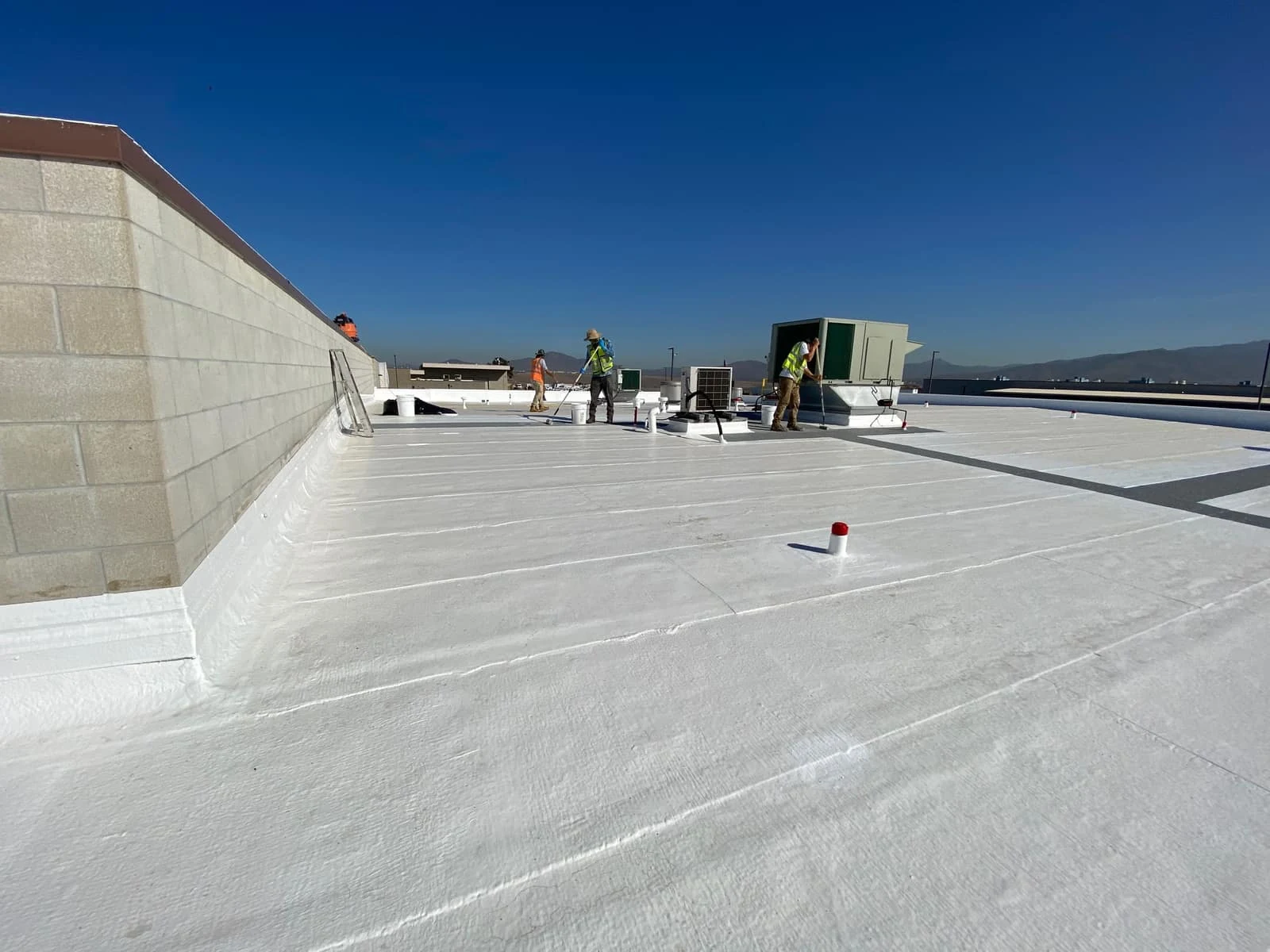
Not every roof that's showing its age needs a tear-off. If the membrane underneath is structurally sound and the problem is UV degradation, minor seam wear, or surface aging, a silicone coating can restore weatherproofing and add years of service life at a fraction of full replacement cost. It's not the right call for every roof, but for a lot of Salem's older commercial buildings it's worth evaluating before jumping to full replacement.
Why Silicone Fits a Climate That's Wet Nine Months a Year
Silicone coatings cure through a moisture-triggered chemical reaction, which means ambient humidity actually helps the coating cure rather than working against it. That's a meaningful practical advantage in a climate where dry, low-humidity install windows are scarce for much of the year. Acrylic coatings, by contrast, cure through water evaporation and need genuinely dry weather to set properly, a tougher ask here for a good stretch of the calendar.
Ponding Tolerance Is Silicone's Signature Strength
Most roof coatings degrade under standing water over time. Silicone is the exception, it holds up to ponding conditions that would break down an acrylic coating within a season or two. For a roof with known low spots that aren't practical to fully correct with tapered insulation, silicone extends the coating's useful life in exactly the areas that fail fastest under other coating chemistries.
That said, silicone tolerating ponding doesn't mean ponding is fine to ignore. A coating that resists standing water still doesn't stop organic growth from developing in a low spot that never fully dries, moss and algae can establish on a coated surface the same as an uncoated one.
What Coating Doesn't Fix
A silicone coating restores and extends an existing roof's weatherproofing. It does not correct structural slope problems, replace failed insulation, or fix a deck with moisture already trapped underneath. Before recommending a coating over a tear-off, we check the existing roof for trapped moisture with an infrared or capacitance moisture scan, coating over a wet substrate seals moisture in rather than solving the problem.
- Confirm a moisture scan was done before any coating project, not skipped to save time
- Ask what surface preparation the existing membrane needs before coating adhesion is reliable
- Check that seams and flashing details get reinforced separately, not only coated over
- Verify the coating's mil thickness meets manufacturer specification for the roof's ponding conditions
- Get a clear maintenance recoat schedule in writing, since coatings need periodic renewal, not a one-time application
Which Existing Roofs Are Good Candidates
Aging modified bitumen, EPDM, and metal roofs are the most common coating candidates around Salem, buildings where the substrate is structurally intact but the surface has aged past its original UV protection. A membrane with active leaks, extensive seam failure, or deteriorated insulation underneath usually needs repair or replacement first, with coating as a longer-term maintenance step afterward rather than an immediate fix.
Cost and Timeline Advantages
Because coating doesn't require tear-off or deck replacement, projects move faster and generate far less disruption to building operations, a real consideration for occupied government buildings, active retail, or food processing facilities that can't easily shut down rooftop operations for a full reroof. The tradeoff is that coating extends an existing roof's life rather than resetting the clock the way full replacement does.
Ice and Cold-Weather Cure Windows
Silicone coatings still need workable temperatures to apply and cure properly, even with their moisture-tolerant chemistry. During the valley's occasional ice events, we hold off application until temperatures are back in a workable range rather than rushing a coating job into marginal weather.
How a Coating Project Fits a Constrained Capital Budget
Government facility managers and school district maintenance departments around Salem tend to work with capital budgets set years in advance, which makes a full tear-off and replacement hard to schedule on short notice even when a roof is clearly aging. A coating project fits a smaller annual maintenance line item rather than a multi-year capital request, which is part of why we get called in to evaluate coating candidacy well before a roof is failing outright, it's often easier to fund proactively than a full replacement is to approve reactively.
That budget logic only works if the coating decision is made early enough to actually extend the roof's life rather than patch over a roof that's already past the point where coating helps. We'd rather tell an owner honestly that a roof needs replacement now than sell a coating job that buys two years before the same conversation happens anyway, with less budget runway to plan the replacement properly.
Coating Questions From Building Owners
How long does a silicone coating last?
Coating life varies by mil thickness and existing roof condition, though most systems are designed to extend roof service life meaningfully before a recoat is needed.
Can silicone coating be applied over any roof type?
It works well over several common substrates, but compatibility and surface prep requirements vary, we confirm compatibility before recommending it.
Does a coating stop an active leak?
No. Active leaks need to be repaired first. Coating is a preventive and restorative measure, not a leak repair method on its own.
Will coating make ponding water disappear?
No, coating doesn't change roof slope. It makes the membrane more tolerant of ponding, but doesn't eliminate standing water.
How do you know if a roof is too far gone for coating?
A moisture scan showing significant trapped water under the membrane, or extensive structural seam failure, usually means repair or replacement should come first.
Assessment Priorities
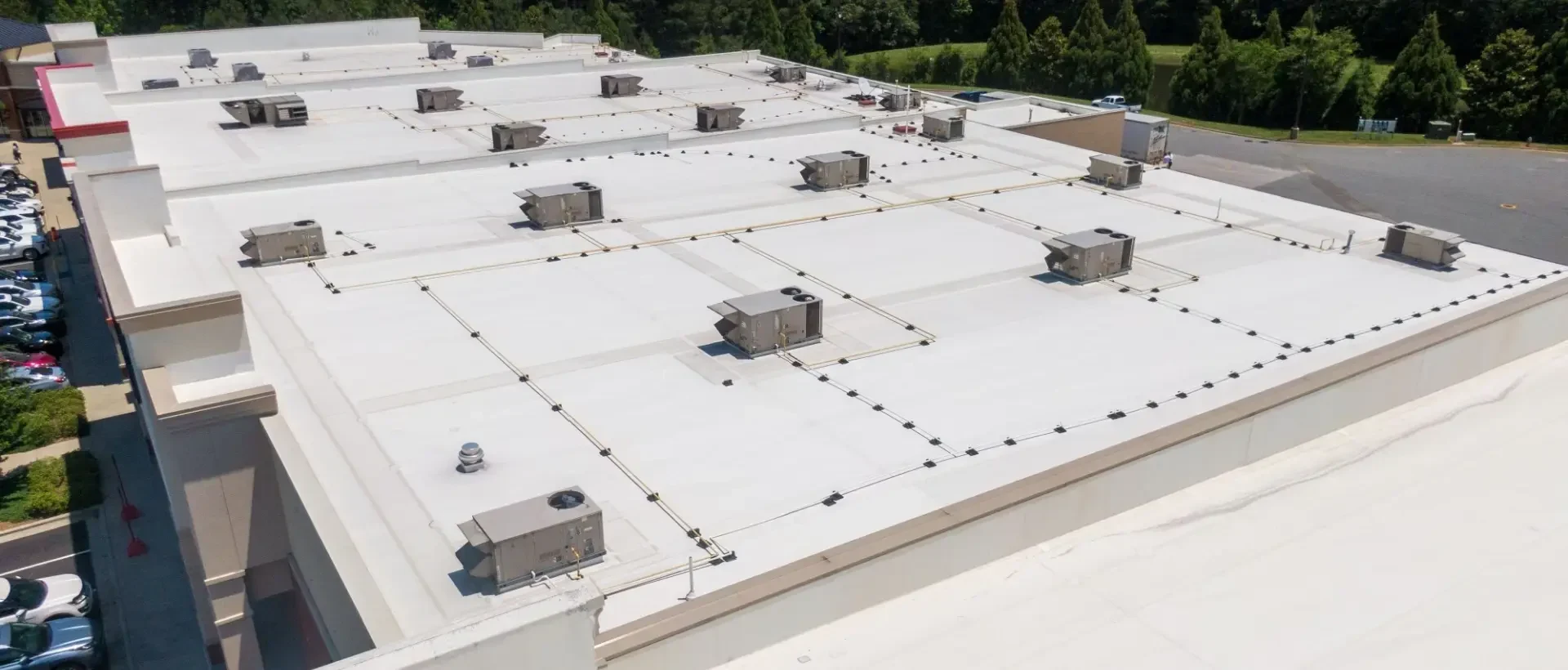
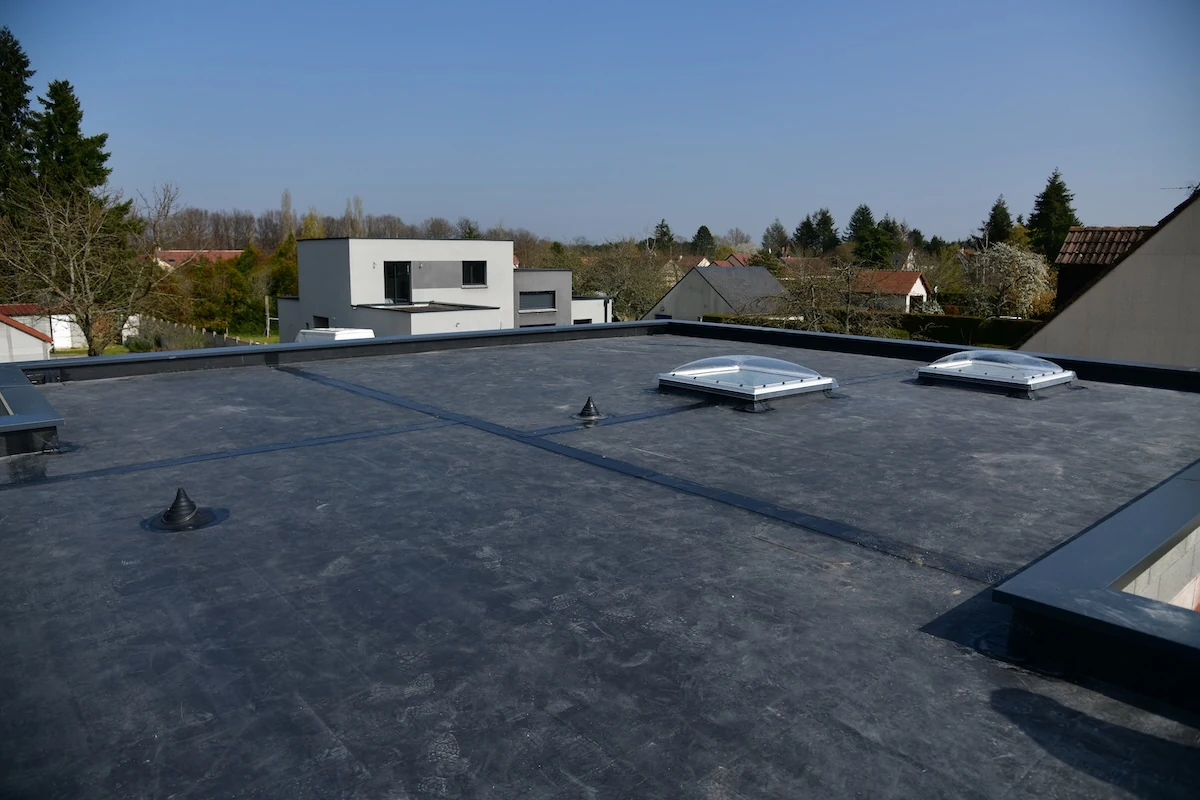
Membrane condition, seams, flashings, penetrations, drains, scuppers, edge metal, rooftop equipment, traffic patterns, and visible moisture evidence are reviewed together before a repair, coating, recover, or replacement path is recommended.
Planning Around the Facility
Access, staging, noise, odor, delivery windows, weather protection, occupied spaces, interior protection, and daily dry-in procedures are planned for the way the commercial property must continue operating.
From Findings to a Clear Scope
Observed conditions are documented so building owners and facility teams can compare immediate repairs, maintenance priorities, system options, budget timing, and closeout requirements without losing sight of the building below the deck.
Ready to review the roof scope?
Roof Systems
1 of 2
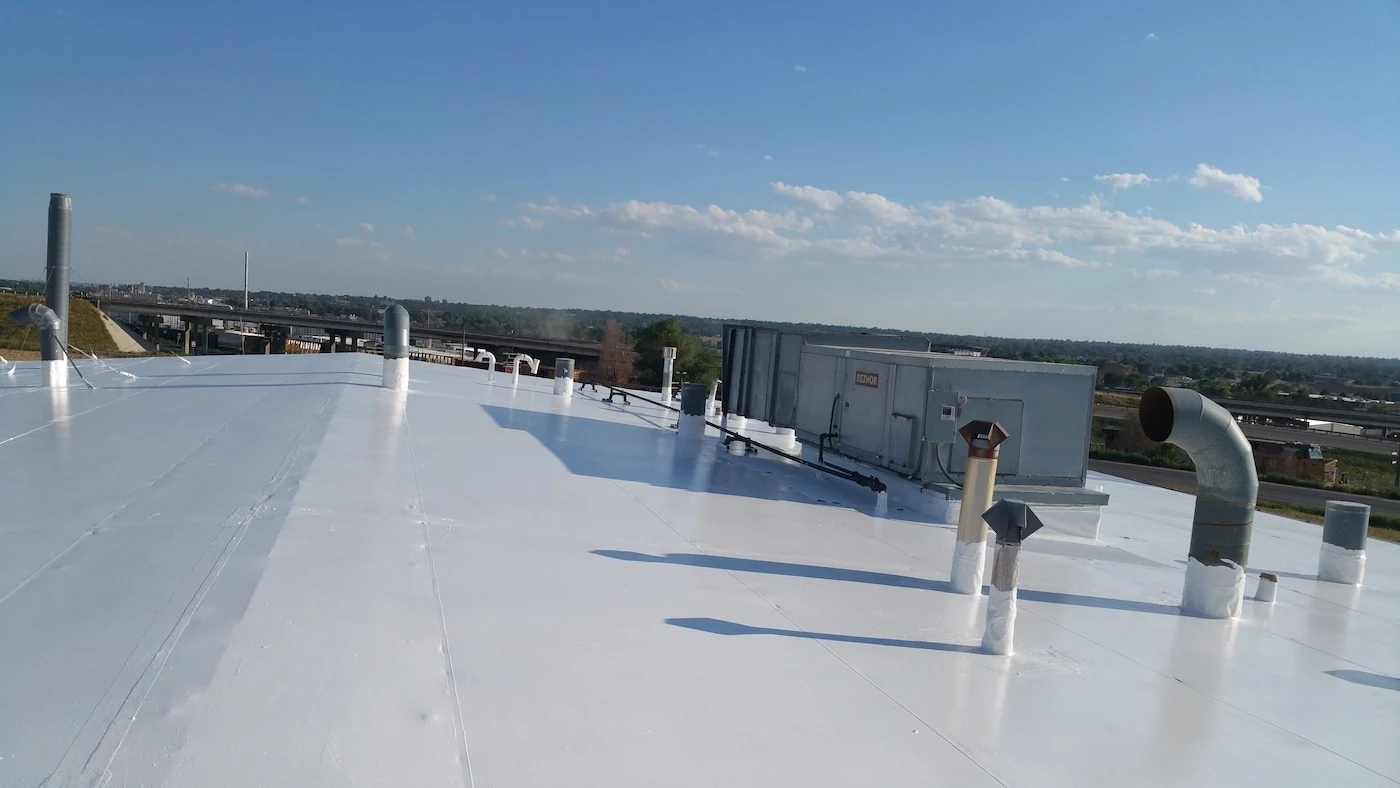
Commercial Roofing Across the Salem Area