
Commercial Roofing Contractors Albany, OR
Service AreasServing Salem and the central Willamette Valley
Request a Roof Assessment
Commercial roofing in Salem, Oregon
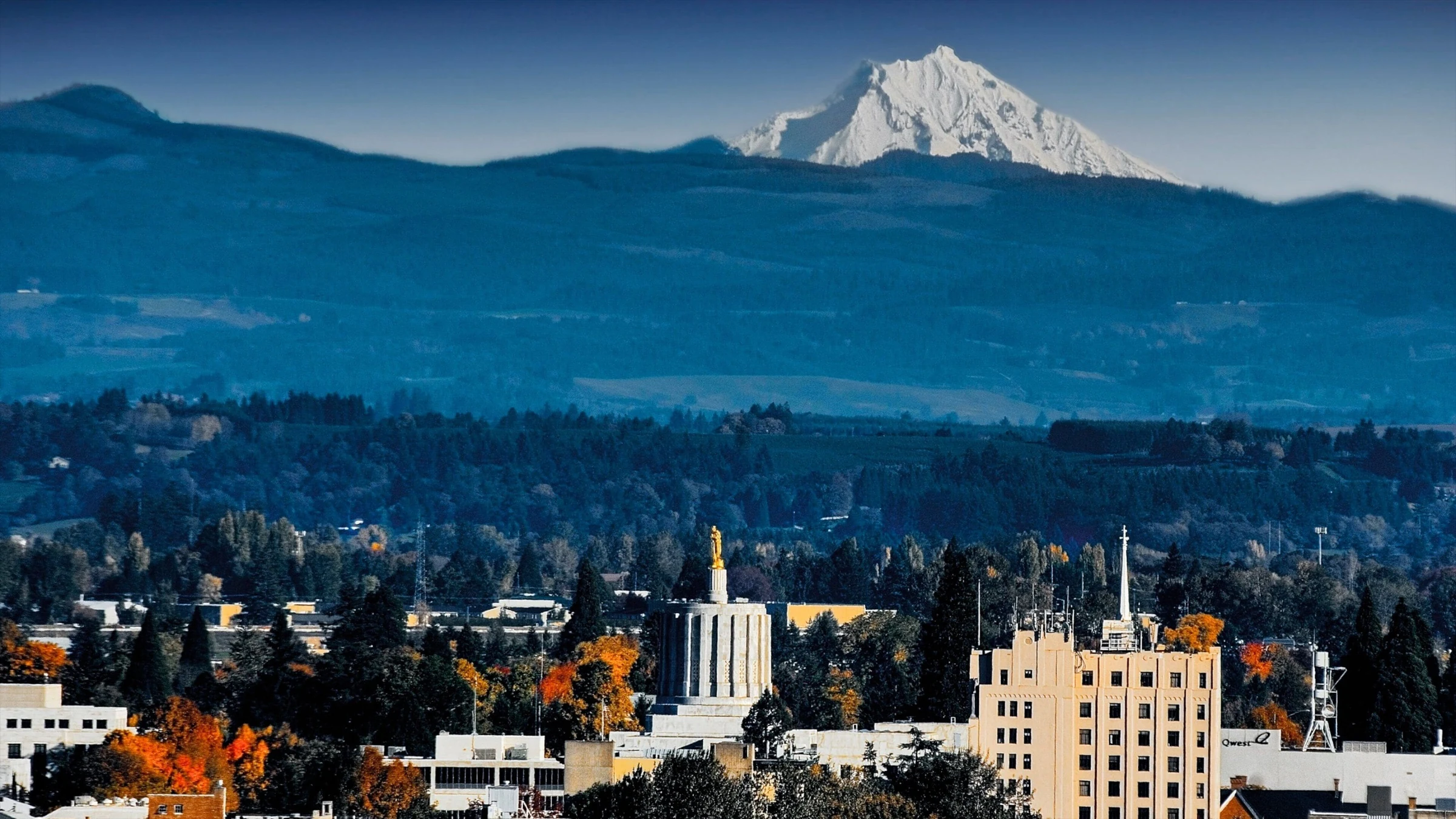
Commercial roofing contractors serving Albany, OR with commercial roof repair, replacement, coatings, maintenance programs, inspections, and documented roof reports.
Commercial Roofing Assessment Framework
Document
Membrane and seams
Trace
Drainage and water paths
Review
Flashings and penetrations
Compare
Repair, recover, coating, replacement
Plan
Access, staging, weather protection
Protect
Occupants, equipment, and operations
Close Out
Photos, details, records, priorities
Commercial Roofing Contractors Albany, OR: Roofing Detail
Commercial Roofers in Albany
For commercial properties in Albany, the defensible choice between repair, restoration, and replacement starts with roof-system condition, moisture findings, drainage performance, and remaining service life. Albany carries three very different roofing conversations under one city limit: the specialty metals plant that runs some of the hottest, dirtiest rooftop conditions in the valley, the seed-processing buildings that cluster near the rail yard, and the century-old storefronts downtown. An owner who treats all three the same is usually the owner who gets a bad bid.
The ATI Wah Chang Corridor and Heavy Industrial Roofs
The specialty metals operation on Albany's south side runs processes that put more heat, particulate, and equipment load on a roof than almost anything else in this market. Buildings around that corridor often have roof-mounted exhaust, scrubber ductwork, and penetrations added in phases over decades, which means no two roof sections match the original drawings anymore.
We treat every penetration on a building like that as its own problem rather than assuming a standard flashing detail will hold. A membrane that's rated for general commercial exposure can still fail early next to a stack that runs hotter than the spec sheet assumed, and by the time that shows up as a leak, the substrate underneath has usually already taken damage.
Owners who lease space near this corridor sometimes inherit a roof that was patched around industrial equipment installed by a previous tenant. We walk those roofs assuming there's history we don't know yet, and we tell the owner honestly when a section needs more than a patch.
Rail Yard Warehouses and Grass Seed Processing Buildings
Albany sits at the junction of two rail lines, and the classification yard nearby has shaped the warehouse and processing buildings that grew up around it. A lot of these structures handle grass seed, cleaning, drying, and storage tied to the Willamette Valley's seed industry, and dust management matters as much on the roof as it does inside the building.
Seed dust settles on roof surfaces and drains the same way any fine particulate does, clogging scuppers and slowing water off a low-slope roof during the wet months. We check drain and scupper condition on these buildings more often than we would on a clean retail roof, because a blocked drain here backs up faster than an owner expects.
Vibration from nearby rail switching is a smaller factor than at an active quarry, but on older buildings with loose fastener patterns it still shows up over years as slowly working seams. It's worth a look during a routine inspection rather than waiting for a leak to force the issue.
Downtown Albany's Historic Storefronts
Albany's downtown historic district has held onto its early-1900s storefronts better than most Willamette Valley towns, and the flat and low-slope roofs behind those facades carry real age. Parapet walls, shared party walls between adjoining buildings, and roof drains tied into old plumbing runs all complicate a straightforward reroof.
We see owners downtown put off a reroof because the building looks fine from the street, not realizing the roof behind that parapet has been patched past the point where patching still makes sense. A membrane failure in a shared-wall building downtown doesn't stay contained to one tenant space, so the cost of waiting is usually higher than the cost of the repair itself.
What We Watch For in Albany
- Heat and particulate exposure near the specialty metals plant degrading membranes faster than rated life
- Seed dust clogging drains and scuppers on processing and storage buildings
- Fastener loosening on older warehouses near active rail switching
- Aging parapets and shared party walls on downtown historic storefronts
- Undocumented penetrations added by past tenants on industrial buildings
Most of these issues share a pattern: they're invisible from ground level and get worse quietly until a tenant reports water on the floor. A scheduled roof walk catches them while they're still a repair line item instead of a replacement decision.
Nine Wet Months and What That Means for an Albany Roof
Willamette Valley weather gives Albany roofs about nine months of the year where standing water, slow drainage, and moss growth are live issues rather than seasonal concerns. Shaded roof sections downtown, tucked behind taller adjoining buildings, hold moisture longer than open industrial roofs and grow moss at a rate that surprises owners who haven't had a roof inspected in a few years.
We factor that into how we sequence work here. A reroof scheduled without a real weather window in mind risks trapping moisture under new material, which costs an owner far more to fix later than it would have cost to wait two weeks for a dry stretch.
Questions Albany Property Owners Ask Us
Does the specialty metals plant's heat exposure affect nearby roofs too?
It can, especially on buildings close to exhaust stacks or ductwork, so we inspect those sections more closely than a standard commercial roof.
How often should a seed-processing building's roof drains get checked?
More often than a typical retail roof. Seed dust accumulates on top of normal debris, and we recommend checking drains before the wet season starts each year.
Can you work on a shared-wall building downtown without disrupting neighboring tenants?
Yes, we plan access and staging around shared walls and adjoining businesses before work starts, and we flag any shared drainage issues we find.
What happens if a downtown roof gets patched instead of replaced?
Patching buys time on a sound roof, but on a roof that's already past its service life it usually costs more over a few years than a planned replacement would have.
Do you handle roofs with penetrations added by a previous tenant?
Yes, and we treat those as unknowns until we've inspected them directly rather than assuming they match a standard detail.
Assessment Priorities
Membrane condition, seams, flashings, penetrations, drains, scuppers, edge metal, rooftop equipment, traffic patterns, and visible moisture evidence are reviewed together before a repair, coating, recover, or replacement path is recommended.
Planning Around the Facility
Access, staging, noise, odor, delivery windows, weather protection, occupied spaces, interior protection, and daily dry-in procedures are planned for the way the commercial property must continue operating.
From Findings to a Clear Scope
Observed conditions are documented so building owners and facility teams can compare immediate repairs, maintenance priorities, system options, budget timing, and closeout requirements without losing sight of the building below the deck.
Ready to review the roof scope?
Service Areas
1 of 2
Commercial Roofing Contractors Albany, OR
Commercial roofing contractors serving Albany, OR with commercial roof repair.
Commercial Roofing Contractors Keizer, OR
Commercial roofing contractors serving Keizer, OR with commercial roof repair.
Commercial Roofing Contractors Woodburn, OR
Commercial roofing contractors serving Woodburn, OR with commercial roof.
Commercial Roofing Contractors Millersburg, OR
Commercial roofing contractors serving Millersburg, OR with commercial roof.Commercial Roofing Across the Salem Area