
Commercial Roofing Contractors Millersburg, OR
Service AreasServing Salem and the central Willamette Valley
Request a Roof Assessment
Commercial roofing in Salem, Oregon
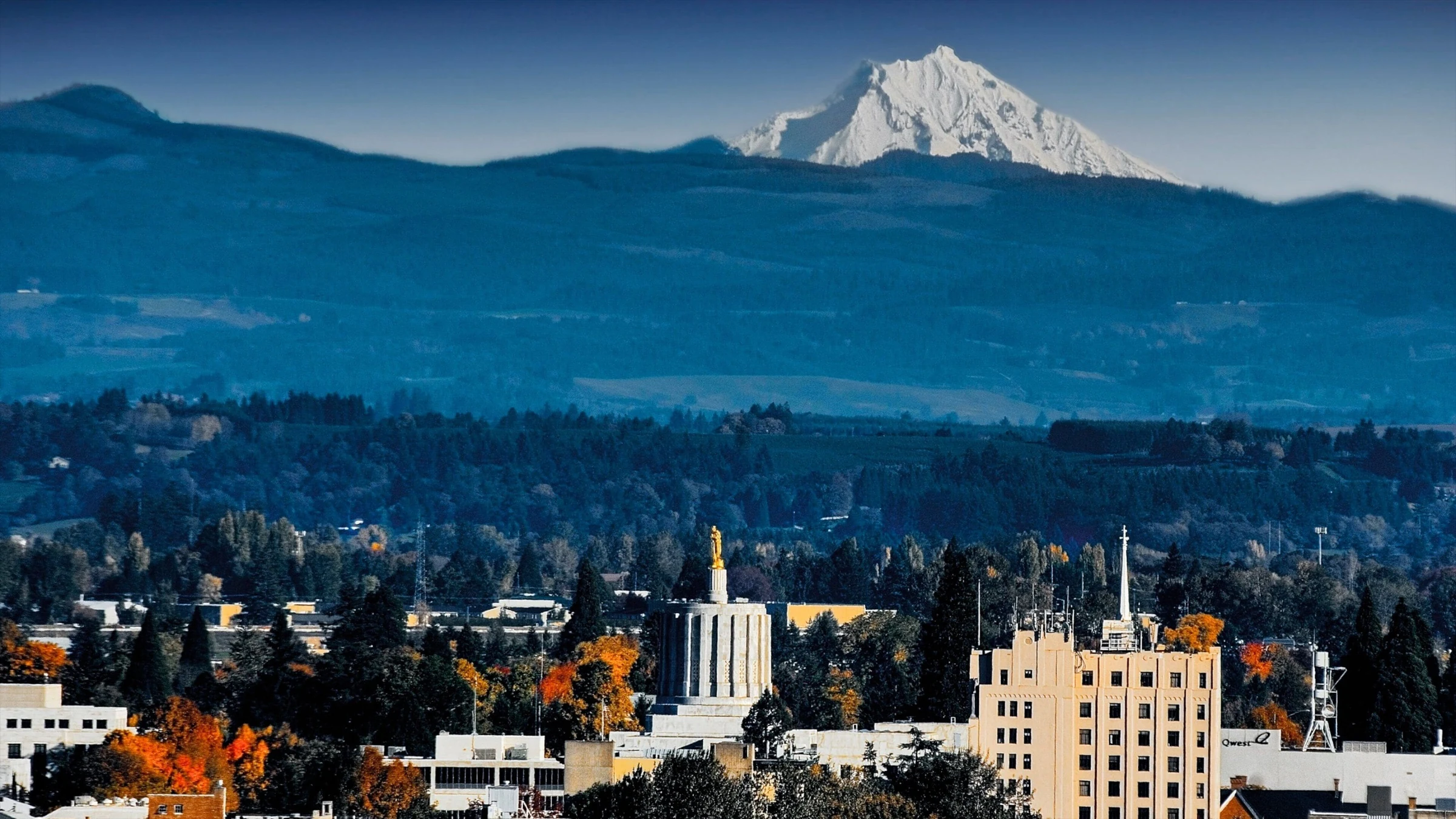
Commercial roofing contractors serving Millersburg, OR with commercial roof repair, replacement, coatings, maintenance programs, inspections, and documented roof reports.
Commercial Roofing Assessment Framework
Document
Membrane and seams
Trace
Drainage and water paths
Review
Flashings and penetrations
Compare
Repair, recover, coating, replacement
Plan
Access, staging, weather protection
Protect
Occupants, equipment, and operations
Close Out
Photos, details, records, priorities
Commercial Roofing Contractors Millersburg, OR: Roofing Detail
Commercial Roofers in Millersburg
Commercial roofers serving Millersburg should document leak sources, wet insulation, drainage, edge details, penetrations, and repair history before recommending a scope. Millersburg is almost entirely industrial, a paper mill, specialty metals operations, and warehouse and rail-served buildings packed into a small city with barely any retail storefronts at all. The roofing here reflects that: large-span industrial roofs carrying heavy equipment loads, corrosive process exposure, and access requirements that don't look anything like a typical commercial job.
Paper Mill Roofs and Steam Exposure
The pulp and paper operation in Millersburg runs continuous steam and process heat that vents through rooftop stacks and equipment housings across a wide roof area. Sustained steam exposure ages a membrane differently than simple weathering does, softening some materials and accelerating seam degradation around stack penetrations faster than the rated product life would suggest.
We've learned to treat every stack and vent penetration on a mill roof as a higher-risk detail than a standard flashing, because the failure pattern here starts small, a seam edge lifting near a heat source, and spreads faster than it would on a roof without that thermal stress. Catching it in that early stage is a repair. Catching it after a section has delaminated is a much bigger job, one that often means opening insulation that's already absorbed steam condensation and no longer performs the way it did when it was installed.
Mill roofs also carry more foot traffic from maintenance crews servicing rooftop equipment than a typical commercial building does, and that traffic wears walkway areas faster than the surrounding field membrane. We recommend dedicated walkway pads on high-traffic mill roofs rather than letting crews wear a path directly into unprotected membrane. It's a small material cost against the alternative, which is a worn field membrane that fails along the exact route maintenance staff already walk every week.
ATI's Metals Operations and Heavy Equipment Loads
Millersburg sits alongside Albany's specialty metals corridor, and buildings here carry some of the same heat and particulate exposure we see on the Albany side, along with structural loads from heavy equipment that a standard commercial roof deck was never designed to support without reinforcement. Any roof work near active metals processing means coordinating with plant safety protocols that go well beyond what a typical warehouse requires.
Owners of buildings in this corridor sometimes assume a roof replacement is a straightforward swap of one membrane for another, but on a heavy industrial building the deck condition underneath, and whether it still meets current load requirements for the equipment now sitting on it, matters as much as the membrane choice itself. We check deck condition and load history before quoting membrane options, because a new membrane over a deck that can't safely carry today's equipment load is a repair that solves the wrong problem.
Rail-Served Warehouses
The Portland and Western rail line running through this corridor feeds several warehouse and storage buildings in Millersburg directly, and those buildings see the same vibration and dust exposure we watch for at other rail-adjacent sites in the metro, just at industrial scale rather than agricultural scale. Fastener patterns on these warehouses deserve a second look during any inspection, since loosening from sustained switching vibration rarely announces itself until a seam has already started to lift.
What We Watch For in Millersburg
- Accelerated membrane aging near mill steam stacks and process vents
- Walkway wear from frequent rooftop maintenance traffic at the mill
- Structural load questions on decks supporting heavy metals-processing equipment
- Vibration and particulate exposure on rail-served warehouse roofs
- Safety coordination requirements for work near active industrial processes
An owner deciding whether to patch or replace a mill or metals-adjacent roof needs to weigh the coordination cost of getting a crew safely on site again in six months against the cost of doing a fuller repair now while access is already arranged. We lay that tradeoff out plainly rather than defaulting to whichever option is easier for us to sell.
Winter Rain on a Working Industrial Roof
The Willamette Valley's wet season doesn't pause mill or plant operations, which means industrial roofs in Millersburg often need repair work done during active production rather than during a convenient shutdown window. We plan material staging and crew access around that reality, since a mill can't idle its process to accommodate a roofing schedule the way a vacant building could. That planning usually starts with a conversation between our crew lead and the plant's own operations manager well before materials are ordered, so both sides know exactly which sections of roof will be open and when.
Common Questions From Millersburg Facility Managers
Does steam exposure really age a roof membrane faster?
Yes, sustained heat and steam near stacks and vents degrades seams faster than normal weathering, so we inspect those areas more frequently.
Do you install walkway protection on high-traffic mill roofs?
We recommend it on roofs with frequent maintenance foot traffic, since unprotected membrane wears fastest along the paths crews already walk.
Can an older industrial deck support new rooftop equipment?
Not always. We check structural load capacity before assuming a deck can handle equipment that wasn't part of the original design.
How do you handle safety requirements near active metals processing?
We coordinate directly with the facility's own safety protocols before scheduling any work near active operations.
Can roof repairs happen while a mill is still running?
In most cases yes, we plan staging and access around active production rather than requiring a full shutdown.
Assessment Priorities
Membrane condition, seams, flashings, penetrations, drains, scuppers, edge metal, rooftop equipment, traffic patterns, and visible moisture evidence are reviewed together before a repair, coating, recover, or replacement path is recommended.
Planning Around the Facility
Access, staging, noise, odor, delivery windows, weather protection, occupied spaces, interior protection, and daily dry-in procedures are planned for the way the commercial property must continue operating.
From Findings to a Clear Scope
Observed conditions are documented so building owners and facility teams can compare immediate repairs, maintenance priorities, system options, budget timing, and closeout requirements without losing sight of the building below the deck.
Ready to review the roof scope?
Service Areas
1 of 2
Commercial Roofing Contractors Albany, OR
Commercial roofing contractors serving Albany, OR with commercial roof repair.
Commercial Roofing Contractors Keizer, OR
Commercial roofing contractors serving Keizer, OR with commercial roof repair.
Commercial Roofing Contractors Woodburn, OR
Commercial roofing contractors serving Woodburn, OR with commercial roof.
Commercial Roofing Contractors Millersburg, OR
Commercial roofing contractors serving Millersburg, OR with commercial roof.Commercial Roofing Across the Salem Area