
Commercial Roofing Contractors Woodburn, OR
Service AreasServing Salem and the central Willamette Valley
Request a Roof Assessment
Commercial roofing in Salem, Oregon
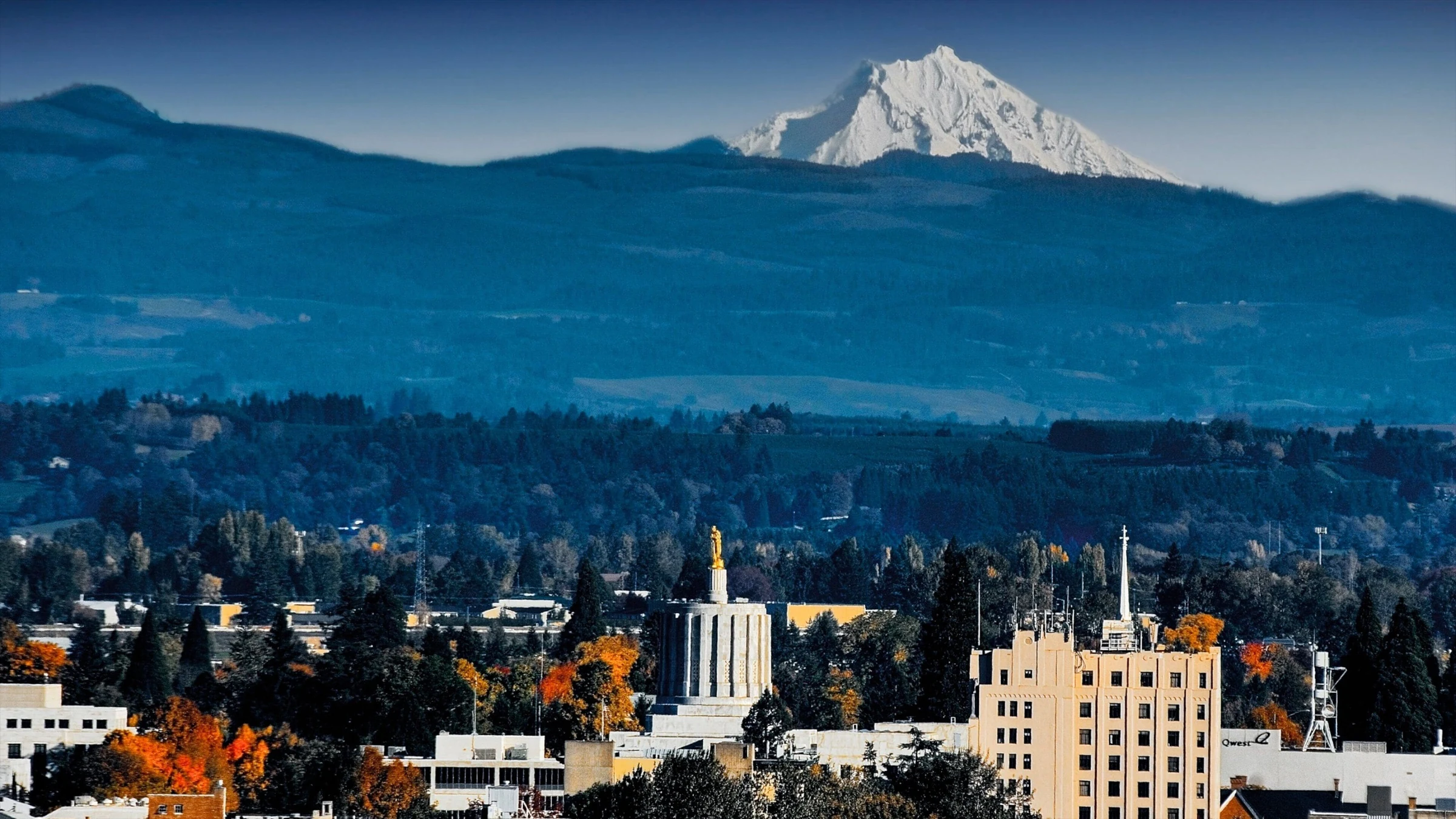
Commercial roofing contractors serving Woodburn, OR with commercial roof repair, replacement, coatings, maintenance programs, inspections, and documented roof reports.
Commercial Roofing Assessment Framework
Document
Membrane and seams
Trace
Drainage and water paths
Review
Flashings and penetrations
Compare
Repair, recover, coating, replacement
Plan
Access, staging, weather protection
Protect
Occupants, equipment, and operations
Close Out
Photos, details, records, priorities
Commercial Roofing Contractors Woodburn, OR: Roofing Detail
Commercial Roofers in Woodburn
Commercial roofing in Woodburn should begin with a documented assessment of membrane condition, seams, flashings, drainage, penetrations, and moisture before repair, coating, or replacement is selected. Woodburn's roofing mix runs from the individual storefronts at the outlet mall off I-5 to the freezer and cooler roofs at the food processing plants that have operated here for decades, plus the distribution buildings that keep multiplying along the interstate. Each type carries its own failure pattern, and getting the wrong one applied to the wrong building is an expensive mistake.
The Premium Outlets and Multi-Tenant Storefront Roofs
The outlet center off exit 271 is really dozens of individual tenant spaces under a shared roof structure, and that creates a coordination problem most single-tenant buildings don't have. A leak over one storefront can originate from a rooftop unit or penetration installed for a different tenant entirely, sometimes years earlier during a different buildout.
We map penetrations and rooftop equipment against tenant boundaries before we scope a repair here, because charging the wrong lease for a shared roof issue creates problems that outlast the roofing job itself. Property managers at centers like this need documentation that holds up when a tenant asks why they're being billed for a leak that started three storefronts away. We keep dated photos and a rooftop equipment map on file for each visit, which has settled more than one billing dispute between neighboring storefronts without dragging the mall's own management office into the argument.
Retail traffic at the outlets also peaks hard around holidays, and a mall management company generally can't tolerate a leak dripping into a storefront during that stretch. We prioritize outlet center calls differently than we would a slower-traffic building, because a delayed fix here costs a storefront both water damage and a run of lost holiday sales days.
Food Processing and Cold Storage Roofs
Woodburn's food processing plants, tied to the valley's berry, vegetable, and nursery industries, run freezer and cooler space that puts a different kind of stress on a roof than dry warehouse storage does. Interior humidity and temperature differentials drive condensation into the roof assembly from below, which is a failure mode that shows up as insulation degradation long before it shows up as a visible leak.
We check vapor barrier condition and insulation moisture content on these buildings rather than just looking at the membrane surface, because a food plant roof can look fine on top while the insulation underneath has already lost most of its R-value to trapped moisture. That's a more expensive problem to catch late than a straightforward membrane leak, since replacing waterlogged insulation under an intact membrane means opening up sections of roof that never showed an outward sign of failure.
Seasonal processing runs also mean some of these plants only run at full capacity during harvest months, which limits the roofing windows when a crew can work without interfering with production. We plan around that seasonal calendar with plant operations rather than assuming year-round access.
I-5 Distribution Warehouses
Woodburn's position on I-5 has pulled in a steady run of distribution and logistics buildings over the past two decades, and these are generally newer roofs than what we see downtown or at the older food plants. Newer doesn't mean maintenance-free. Rooftop solar arrays, added HVAC units, and dock-area equipment all add penetrations that weren't part of the original roof plan.
What We Watch For in Woodburn
- Shared-roof leaks at the outlet mall that cross tenant boundaries
- Condensation-driven insulation loss on food processing and cold storage roofs
- Seasonal access limits at plants running full production during harvest
- Added penetrations from solar and equipment retrofits on newer distribution roofs
- Holiday-season leak response timing at high-traffic retail buildings
The common thread across all three building types is that the visible symptom rarely matches the real cause. A storefront leak might start at a neighboring tenant's rooftop unit, and a food plant leak might actually be condensation from inside rather than rain from outside. We diagnose before we quote.
Rain, Fog, and the Valley Floor
Woodburn sits low on the valley floor, and the fog and standing moisture that settle here through fall and winter add to the nine wet months the rest of the metro deals with. Flat distribution and processing roofs here hold moisture in low spots longer than roofs on higher ground, which is part of why we push drain and scupper inspections on these properties before the rain really sets in each year.
Questions We Hear From Woodburn Property Owners
How do you figure out which tenant is responsible for a shared roof leak at the outlets?
We map rooftop equipment and penetrations against tenant lease lines and document the source before assigning responsibility.
Can a food plant roof look fine and still have a moisture problem?
Yes, condensation from cold storage can degrade insulation from underneath while the surface membrane still looks intact.
Do you work around a plant's seasonal production schedule?
Yes, we coordinate with operations to schedule roof work outside peak harvest processing whenever possible.
What's different about roofing a newer distribution warehouse versus an older building?
Newer roofs are generally in better base condition, but added equipment like solar arrays introduces new penetrations that need the same attention as an older roof's original ones.
How fast can you respond to a leak at the outlet mall during a busy season?
We prioritize high-traffic retail leak calls given how much a dripping ceiling can cost a storefront in lost sales during peak weekends.
Assessment Priorities
Membrane condition, seams, flashings, penetrations, drains, scuppers, edge metal, rooftop equipment, traffic patterns, and visible moisture evidence are reviewed together before a repair, coating, recover, or replacement path is recommended.
Planning Around the Facility
Access, staging, noise, odor, delivery windows, weather protection, occupied spaces, interior protection, and daily dry-in procedures are planned for the way the commercial property must continue operating.
From Findings to a Clear Scope
Observed conditions are documented so building owners and facility teams can compare immediate repairs, maintenance priorities, system options, budget timing, and closeout requirements without losing sight of the building below the deck.
Ready to review the roof scope?
Service Areas
1 of 2
Commercial Roofing Contractors Albany, OR
Commercial roofing contractors serving Albany, OR with commercial roof repair.
Commercial Roofing Contractors Keizer, OR
Commercial roofing contractors serving Keizer, OR with commercial roof repair.
Commercial Roofing Contractors Woodburn, OR
Commercial roofing contractors serving Woodburn, OR with commercial roof.
Commercial Roofing Contractors Millersburg, OR
Commercial roofing contractors serving Millersburg, OR with commercial roof.Commercial Roofing Across the Salem Area