
Commercial Roofing Contractors Aurora, OR
Service AreasServing Salem and the central Willamette Valley
Request a Roof Assessment
Commercial roofing in Salem, Oregon
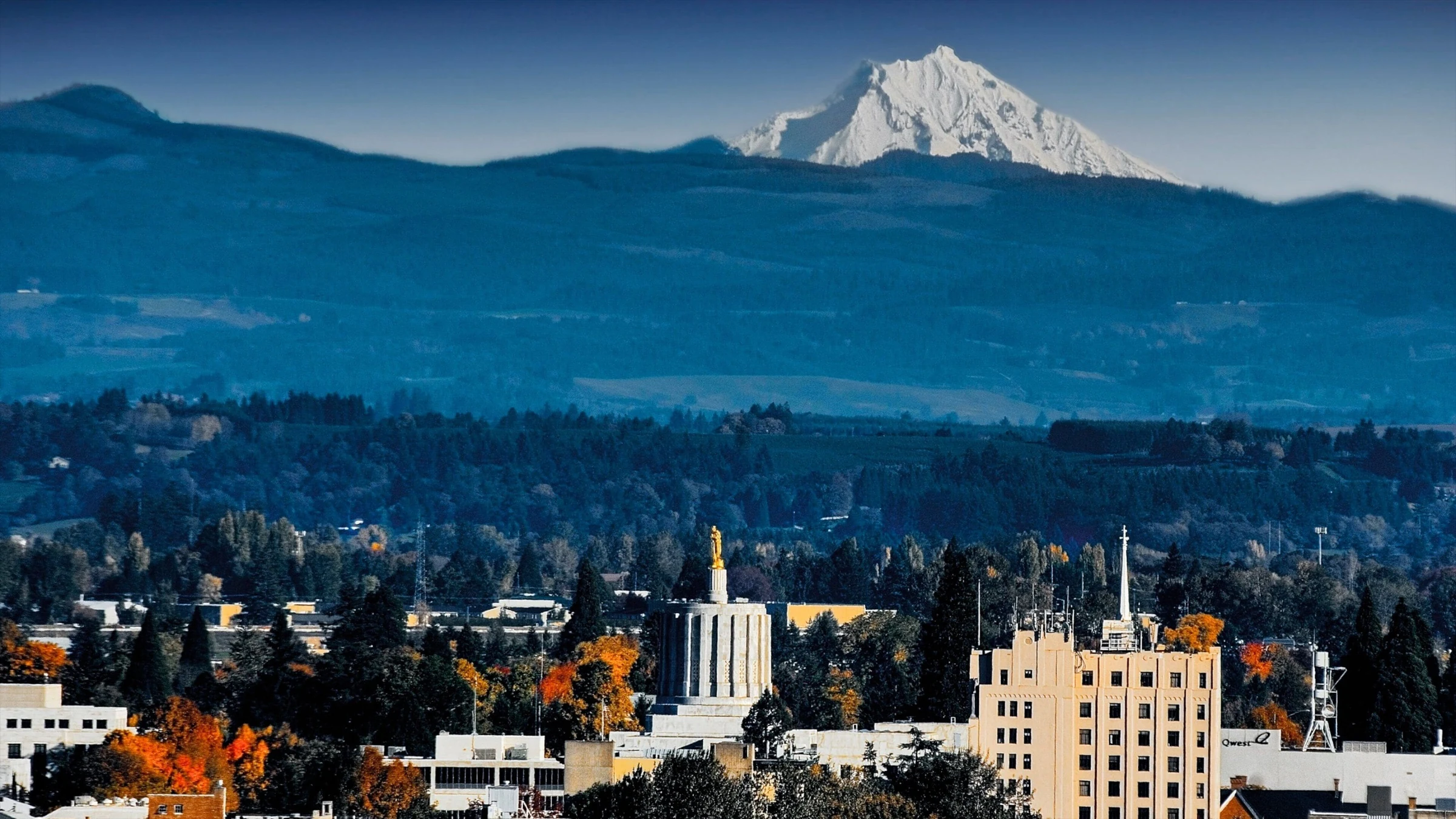
Commercial roofing contractors serving Aurora, OR with commercial roof repair, replacement, coatings, maintenance programs, inspections, and documented roof reports.
Commercial Roofing Assessment Framework
Document
Membrane and seams
Trace
Drainage and water paths
Review
Flashings and penetrations
Compare
Repair, recover, coating, replacement
Plan
Access, staging, weather protection
Protect
Occupants, equipment, and operations
Close Out
Photos, details, records, priorities
Commercial Roofing Contractors Aurora, OR: Roofing Detail
Commercial Roofers in Aurora
Commercial roofing in Aurora should begin with a documented assessment of membrane condition, seams, flashings, drainage, penetrations, and moisture before repair, coating, or replacement is selected. Aurora is small, and its commercial roofing needs are concentrated almost entirely around one asset: Aurora State Airport. The businesses here are aviation maintenance shops, avionics operations, and a handful of light industrial tenants in the small park off Airport Road, not a downtown retail strip. That focus changes what matters on a roof inspection here compared to a bigger Salem-area suburb.
Because the town's commercial base is so tightly tied to the airport, roof problems here carry a different kind of consequence than they would in a diversified retail corridor. A tenant's ability to keep operating, and sometimes an aircraft owner's ability to store equipment safely, depends directly on that roof holding up through the winter, which is why we treat every Aurora inspection as an operational issue first and a maintenance item second.
Hangar Roofs Are a Different Roofing Problem
A hangar roof spans a much wider clear opening than a typical commercial building, which usually means a metal building system with long standing-seam panel runs and fewer interior columns to help carry snow or ponded-water load. Panel seam integrity matters more here than it does on a standard low-slope membrane roof, because a seam failure over an aircraft is a different order of problem than a seam failure over a storage rack.
We inspect hangar roofs with that distinction in mind, checking seam fastener backout and panel-to-panel sealant condition rather than treating it like a generic TPO inspection.
Winter Rain and Hangar Door Header Flashing
Large hangar doors need header flashing that can move with the door track without opening a gap, and repeated winter rain cycles work that flashing loose faster than most owners expect. Once water gets behind a door header, it tends to travel along the header beam before it shows up as a stain, which makes the leak source hard to pin down without someone who knows to look there first.
We trace those leaks back to the header rather than patching wherever the ceiling stain happens to be, since a cosmetic patch on the wrong spot just resets the clock.
The Small Industrial Park Off Airport Road
The light industrial tenants near the airport run smaller metal buildings with simpler roof geometry, but they still deal with the same nine wet months everyone in the Willamette Valley deals with. Gutter capacity on these buildings is often undersized for the roof area draining into it, which turns a routine rain event into standing water at the low eave.
We check gutter and downspout capacity against actual roof area rather than assuming the original build got it right, because a lot of these buildings were sized for a smaller footprint before an addition went on.
Keeping Aviation Operations Running During Roof Work
Nobody wants a roof crew working directly over an aircraft, and most hangar operators need clear notice before any work happens above stored equipment. We plan hangar roof work around what's parked underneath, moving section by section rather than opening up the whole roof at once when the tenant needs continuous use of the space.
Scheduling Around Flight Operations
Aviation businesses generally can't afford an open-ended roof project, since a hangar taken out of service for an extended repair means aircraft sitting exposed or displaced to another facility. We break hangar roof work into defined phases with a clear timeline up front, so a tenant knows exactly how many days a section will be tarped or opened before it closes back up.
That phased approach matters more here than it would on a typical warehouse, because a delayed hangar roof job has a direct cost in displaced aircraft and disrupted maintenance schedules, well beyond an inconvenienced tenant.
We coordinate directly with airport operations staff when work requires any taxiway or ramp access, since Aurora State Airport has its own procedures for ground vehicles and equipment near active aircraft movement areas.
Even routine maintenance visits get scheduled with an eye toward flight activity, since a busy weekend at the airport is a poor time to have a lift staged near a hangar apron. That kind of low-friction planning tends to matter more to aviation tenants than an aggressive turnaround promise, and we hear that directly from operators who've dealt with roofing contractors who didn't bother asking first.
- Standing-seam fastener backout at panel laps
- Sealant failure at hangar door header flashing
- Undersized gutters overflowing at low eaves
- Rust streaking at exposed fastener heads
- Condensation staining on interior metal deck
- Loose or missing ridge cap trim after wind events
Questions Aviation and Industrial Tenants Ask
Can roof inspections happen without moving aircraft out of a hangar?
Often yes, for a visual and moisture-scan inspection. Repair work that requires walking directly over a stored aircraft needs coordination with the tenant first.
Why does a hangar door leak show up somewhere other than the door itself?
Water tends to travel along the header beam before finding a low point to drip from, so the stain location and the actual entry point are often several feet apart.
Are standing-seam metal roofs harder to repair than membrane roofs?
Repairs are different, not necessarily harder. Seam and fastener issues need panel-specific fixes rather than a patched membrane, and matching factory panel profiles matters for a clean repair.
How often should a hangar roof be inspected in this climate?
We generally recommend checking before and after the wet season, since fastener backout and sealant failure tend to accelerate once the rain sets in for the winter.
Does Aurora's small size mean roof contractors treat it as an afterthought?
It shouldn't. Aviation and industrial roofs here carry real operational stakes even though the town itself is small, and we scope the work accordingly rather than by population.
Assessment Priorities
Membrane condition, seams, flashings, penetrations, drains, scuppers, edge metal, rooftop equipment, traffic patterns, and visible moisture evidence are reviewed together before a repair, coating, recover, or replacement path is recommended.
Planning Around the Facility
Access, staging, noise, odor, delivery windows, weather protection, occupied spaces, interior protection, and daily dry-in procedures are planned for the way the commercial property must continue operating.
From Findings to a Clear Scope
Observed conditions are documented so building owners and facility teams can compare immediate repairs, maintenance priorities, system options, budget timing, and closeout requirements without losing sight of the building below the deck.
Ready to review the roof scope?
Service Areas
1 of 2
Commercial Roofing Contractors Albany, OR
Commercial roofing contractors serving Albany, OR with commercial roof repair.
Commercial Roofing Contractors Keizer, OR
Commercial roofing contractors serving Keizer, OR with commercial roof repair.
Commercial Roofing Contractors Woodburn, OR
Commercial roofing contractors serving Woodburn, OR with commercial roof.
Commercial Roofing Contractors Millersburg, OR
Commercial roofing contractors serving Millersburg, OR with commercial roof.Commercial Roofing Across the Salem Area