
Commercial Roofing Contractors Four Corners, OR
Service AreasServing Salem and the central Willamette Valley
Request a Roof Assessment
Commercial roofing in Salem, Oregon
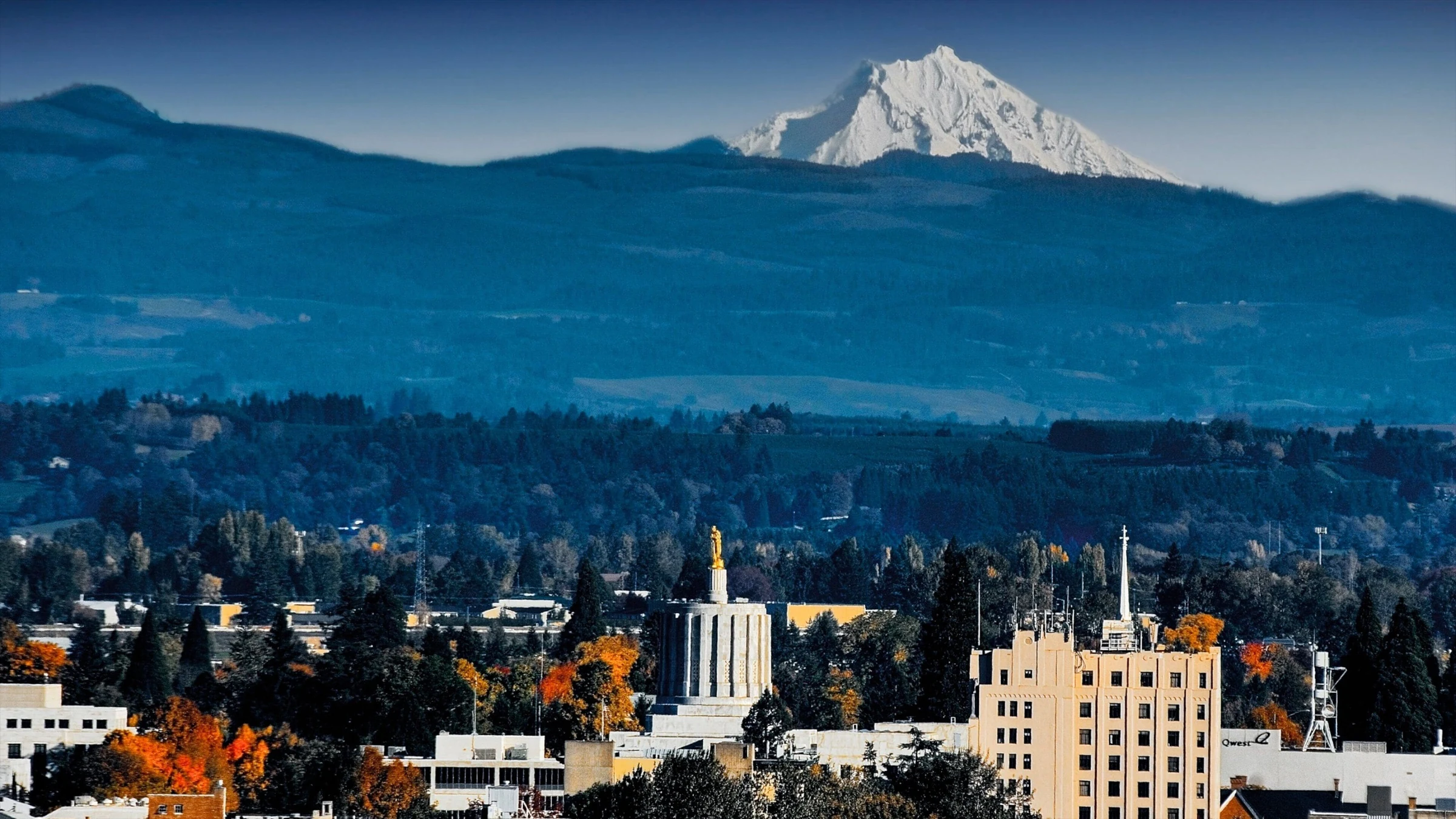
Commercial roofing contractors serving Four Corners, OR with commercial roof repair, replacement, coatings, maintenance programs, inspections, and documented roof reports.
Commercial Roofing Assessment Framework
Document
Membrane and seams
Trace
Drainage and water paths
Review
Flashings and penetrations
Compare
Repair, recover, coating, replacement
Plan
Access, staging, weather protection
Protect
Occupants, equipment, and operations
Close Out
Photos, details, records, priorities
Commercial Roofing Contractors Four Corners, OR: Roofing Detail
Commercial Roofers in Four Corners
A practical commercial roofing plan for Four Corners properties separates urgent leak control from repair, coating, maintenance, and replacement decisions supported by photos and condition findings. Four Corners, on Salem's east side, is built almost entirely around the Lancaster Drive commercial corridor, one of the busiest retail strips in the metro. The roofs here range from decades-old strip centers to newer pad-site buildings, often sitting side by side, and that age mix means no two roofs on the same block are necessarily dealing with the same problems.
The corridor's density is a double-edged fact for roofing. High traffic and consistent customer volume make Lancaster Drive valuable retail real estate, but that same density means downtime on any single roof gets noticed fast, by customers walking under a leaking ceiling tile and by neighboring tenants who feel the effects of a shared drainage problem before an owner even knows there is one to address in the first place, let alone one already worth calling a contractor about.
Lancaster Drive's Mixed-Age Roof Stock
Older strip centers along Lancaster still run built-up or modified bitumen systems from previous decades, patched over time as tenants changed and rooftop equipment got swapped out. Newer pad buildings nearby went up with TPO or PVC systems that behave very differently under the same rain load. Treating them the same way during an inspection misses what's actually happening on each roof.
We assess each roof on Lancaster by its actual system and age, not by a generic checklist built for one material.
Tenant Turnover and Rooftop Equipment Changes
Lancaster Drive sees more tenant turnover than most Salem-area retail corridors, and every new tenant buildout tends to bring rooftop HVAC swaps, new signage penetrations, or reconfigured curbs. Each of those changes is a chance for a flashing detail to get done wrong, and we regularly find leaks traced back to a penetration added during a buildout years earlier, long after the original contractor responsible for it has moved on or closed up shop entirely.
We ask for buildout history when we can get it, because knowing when a penetration was added narrows down where to look first.
Heavy Traffic Volume and Rooftop Access Logistics
Lancaster Drive carries some of the heaviest traffic volume in Salem, which affects something owners don't usually think about: getting a lift or material delivery safely staged for roof work without disrupting a busy parking lot during business hours. We plan access and staging around the corridor's traffic patterns rather than treating every strip center like it has open, quiet frontage.
Wet-Season Drainage on Flat Strip Center Roofs
Strip center roofs along Lancaster are almost universally low-slope, and the Willamette Valley's nine wet months put real pressure on drains that were sized decades ago for a different tenant mix and roof configuration. Ponding at interior drains is common on the older sections, and it's usually a sizing or slope problem rather than a membrane failure by itself.
Working With Property Managers Who Run Multiple Units
A lot of the ownership along Lancaster Drive is institutional or multi-property, with a property manager overseeing several buildings across the corridor rather than a single owner-operator on site. That changes how we report findings: a manager juggling a dozen properties needs a clear, prioritized condition summary, not a vague verbal update after a walk-through.
We put findings in writing with photos tied to specific roof locations, so a manager can weigh a Lancaster Drive roof repair against whatever else is competing for the same maintenance budget that quarter, with real information instead of a gut feeling.
That documentation also matters when a lease renewal or a tenant improvement allowance is on the table, since a roof condition report can shape which capital expenses get prioritized ahead of a new buildout.
We've found that a straightforward written report, plain language rather than jargon, gets used far more often by a busy property manager than a technical inspection form that needs translation before it's useful. Clarity gets a repair authorized faster than volume of detail does.
- Ponding at interior drains on older built-up roofs
- Flashing failures traced to past tenant buildouts
- Cracked pitch pockets around signage conduit
- Membrane splits at rooftop HVAC curb transitions
- Clogged scuppers from parking lot debris
- Granule loss on high-traffic service paths
What Property Managers on Lancaster Ask
How do you inspect a strip center with several different roof ages on one block?
Each unit's roof gets assessed on its own system and history rather than lumped into one inspection standard, since a 1980s built-up roof and a five-year-old TPO roof fail in completely different ways.
Can roof access work happen without closing parking spaces during business hours?
Usually yes, with staging planned around the corridor's traffic and the center's busiest hours. We coordinate that ahead of time with property management.
Why do new leaks keep showing up after a tenant buildout?
New rooftop penetrations from a buildout are a common source of leaks that surface months or years later if the flashing wasn't detailed correctly at the time.
Is a full re-roof necessary for an aging built-up system on Lancaster?
Not always. We check deck and insulation condition before recommending full replacement over a recover, since a sound deck under a worn membrane doesn't always need to be replaced.
What causes ponding on the older strip center roofs specifically?
Interior drains sized for a different original roof configuration are the most frequent cause, especially after decades of small modifications during tenant changes.
Assessment Priorities
Membrane condition, seams, flashings, penetrations, drains, scuppers, edge metal, rooftop equipment, traffic patterns, and visible moisture evidence are reviewed together before a repair, coating, recover, or replacement path is recommended.
Planning Around the Facility
Access, staging, noise, odor, delivery windows, weather protection, occupied spaces, interior protection, and daily dry-in procedures are planned for the way the commercial property must continue operating.
From Findings to a Clear Scope
Observed conditions are documented so building owners and facility teams can compare immediate repairs, maintenance priorities, system options, budget timing, and closeout requirements without losing sight of the building below the deck.
Ready to review the roof scope?
Service Areas
1 of 2
Commercial Roofing Contractors Albany, OR
Commercial roofing contractors serving Albany, OR with commercial roof repair.
Commercial Roofing Contractors Keizer, OR
Commercial roofing contractors serving Keizer, OR with commercial roof repair.
Commercial Roofing Contractors Woodburn, OR
Commercial roofing contractors serving Woodburn, OR with commercial roof.
Commercial Roofing Contractors Millersburg, OR
Commercial roofing contractors serving Millersburg, OR with commercial roof.Commercial Roofing Across the Salem Area