
Commercial Roofing Contractors Independence, OR
Service AreasServing Salem and the central Willamette Valley
Request a Roof Assessment
Commercial roofing in Salem, Oregon
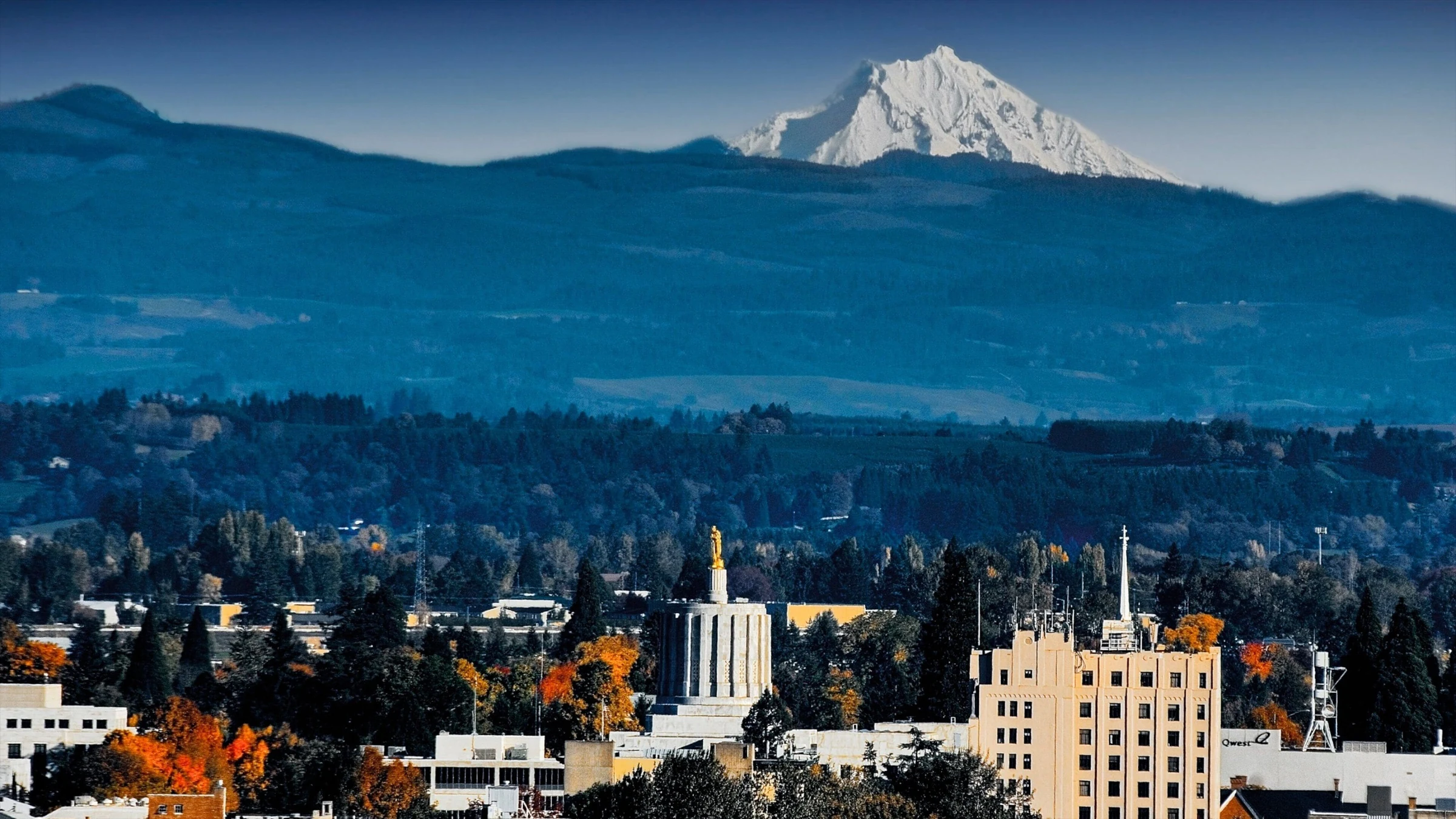
Commercial roofing contractors serving Independence, OR with commercial roof repair, replacement, coatings, maintenance programs, inspections, and documented roof reports.
Commercial Roofing Assessment Framework
Document
Membrane and seams
Trace
Drainage and water paths
Review
Flashings and penetrations
Compare
Repair, recover, coating, replacement
Plan
Access, staging, weather protection
Protect
Occupants, equipment, and operations
Close Out
Photos, details, records, priorities
Commercial Roofing Contractors Independence, OR: Roofing Detail
Commercial Roofers in Independence
Commercial roofing in Independence should begin with a documented assessment of membrane condition, seams, flashings, drainage, penetrations, and moisture before repair, coating, or replacement is selected. Independence built its identity on hops, and while the industry looks different today than it did a century ago when the town called itself the hop capital of the world, hop processing and storage buildings are still part of the roofing mix here alongside a revitalized riverfront downtown and a commercial strip that keeps expanding along the highway toward Monmouth.
Riverfront Downtown and Restaurant Roofs
Independence has invested in its riverfront district, and the restaurants and retail spaces along Main Street and near Riverview Park run busier kitchen exhaust and grease-trap systems than a typical small-town storefront. Grease-laden exhaust venting through a roof penetration is a real risk to membrane integrity if it's not detailed correctly, and we've corrected more than one downtown roof where exhaust ductwork was routed without adequate grease containment. In each case the membrane damage traced back to the same root cause, grease residue breaking down a seam that would have held up fine under normal weathering alone.
Restaurant roofs also carry heavier rooftop HVAC loads than retail space of the same size, since commercial kitchens need more cooling capacity, and that means more curbs, more penetrations, and more points where a seal can fail. We inspect grease exhaust penetrations specifically on these buildings rather than treating them like a standard vent.
The riverfront's popularity also means downtime costs these businesses more than it would a slower location. A leak that closes a riverfront restaurant during a summer weekend, when foot traffic from the park and river activity peaks, costs real revenue, and we prioritize scheduling accordingly. Restaurant owners here tell us the summer season carries a disproportionate share of annual revenue, which makes any weekend closure a bigger hit than it would be at a business with steadier year-round traffic.
Hop Processing and Agricultural Storage
The hop yards and processing operations still active around Independence run kiln and storage buildings that handle heat and humidity cycles tied to the drying process, a different environment than a standard dry-goods warehouse, with more sustained heat and organic moisture moving through the roof assembly during active drying runs than a typical storage building ever sees. Older hop kilns in particular were built for a specific process and era, and adapting them for current storage or processing use sometimes means the roof is carrying equipment or humidity loads it wasn't originally designed for, decades after the last hop harvest that structure was actually built to dry.
We treat these buildings individually rather than assuming a standard ag-warehouse spec applies, because the drying and curing process still practiced at some of these operations puts moisture into the building envelope in a way that a simple grain or equipment storage building never experiences.
The Growing Commercial Strip Toward Monmouth
Independence's commercial development has pushed outward along the highway connecting to Monmouth, newer retail and service buildings that are generally in better base condition than downtown's older stock but still need the same attention to drainage and rooftop equipment installation that any new commercial roof requires, regardless of how recently the building went up. A newer roof installed poorly still fails on the same schedule as an older one installed correctly, so we don't let a building's age substitute for an actual inspection.
What We Watch For in Independence
- Grease exhaust penetrations improperly detailed on riverfront restaurant roofs
- Heavier HVAC curb loads on kitchen-equipped commercial spaces
- Humidity cycling on converted hop kiln and processing buildings
- Weekend and peak-season downtime costs at riverfront businesses
- New rooftop equipment installation quality on the growing highway strip
Independence's mix of legacy agricultural buildings and a revitalizing downtown means an owner here often inherits roofing decisions made decades apart on the same block. We walk each building on its own history rather than assuming the property next door tells us what to expect.
River Moisture and the Valley's Wet Season
Sitting directly on the Willamette River adds humidity to Independence's already wet valley climate, and riverfront buildings see condensation and moisture issues a few blocks inland don't deal with to the same degree. We factor that river-adjacent humidity into how we spec ventilation and vapor management on downtown roofs specifically, especially on older buildings where the original design never anticipated the level of moisture the building now sits in through the wet months. A vapor barrier that would hold up fine a few blocks inland can fall short right on the riverfront.
Questions From Independence Business Owners
Can grease exhaust really damage a roof membrane?
Yes, if it's not vented and contained correctly, grease residue degrades most standard membranes faster than normal weathering.
Do old hop kilns need special roofing consideration?
Often yes, especially if the building still handles drying or curing processes that put more humidity into the roof assembly than standard storage would.
How quickly can you respond to a leak at a riverfront restaurant on a weekend?
We prioritize these calls given how much foot traffic and revenue riverfront businesses see during peak weekends.
Are the newer buildings along the highway strip built to a higher standard?
Generally the base construction is newer and sounder, but we still check drainage design and equipment installation quality rather than assuming new means problem-free.
Does being close to the river actually change how you approach a roof here?
Yes, we account for the added humidity river-adjacent buildings experience when specifying ventilation and vapor management.
Assessment Priorities
Membrane condition, seams, flashings, penetrations, drains, scuppers, edge metal, rooftop equipment, traffic patterns, and visible moisture evidence are reviewed together before a repair, coating, recover, or replacement path is recommended.
Planning Around the Facility
Access, staging, noise, odor, delivery windows, weather protection, occupied spaces, interior protection, and daily dry-in procedures are planned for the way the commercial property must continue operating.
From Findings to a Clear Scope
Observed conditions are documented so building owners and facility teams can compare immediate repairs, maintenance priorities, system options, budget timing, and closeout requirements without losing sight of the building below the deck.
Ready to review the roof scope?
Service Areas
1 of 2
Commercial Roofing Contractors Albany, OR
Commercial roofing contractors serving Albany, OR with commercial roof repair.
Commercial Roofing Contractors Keizer, OR
Commercial roofing contractors serving Keizer, OR with commercial roof repair.
Commercial Roofing Contractors Woodburn, OR
Commercial roofing contractors serving Woodburn, OR with commercial roof.
Commercial Roofing Contractors Millersburg, OR
Commercial roofing contractors serving Millersburg, OR with commercial roof.Commercial Roofing Across the Salem Area