Commercial Roofing Contractors Serving Lyons, OR
Service AreasServing Salem and the central Willamette Valley
Request a Roof Assessment
Commercial roofing in Salem, Oregon
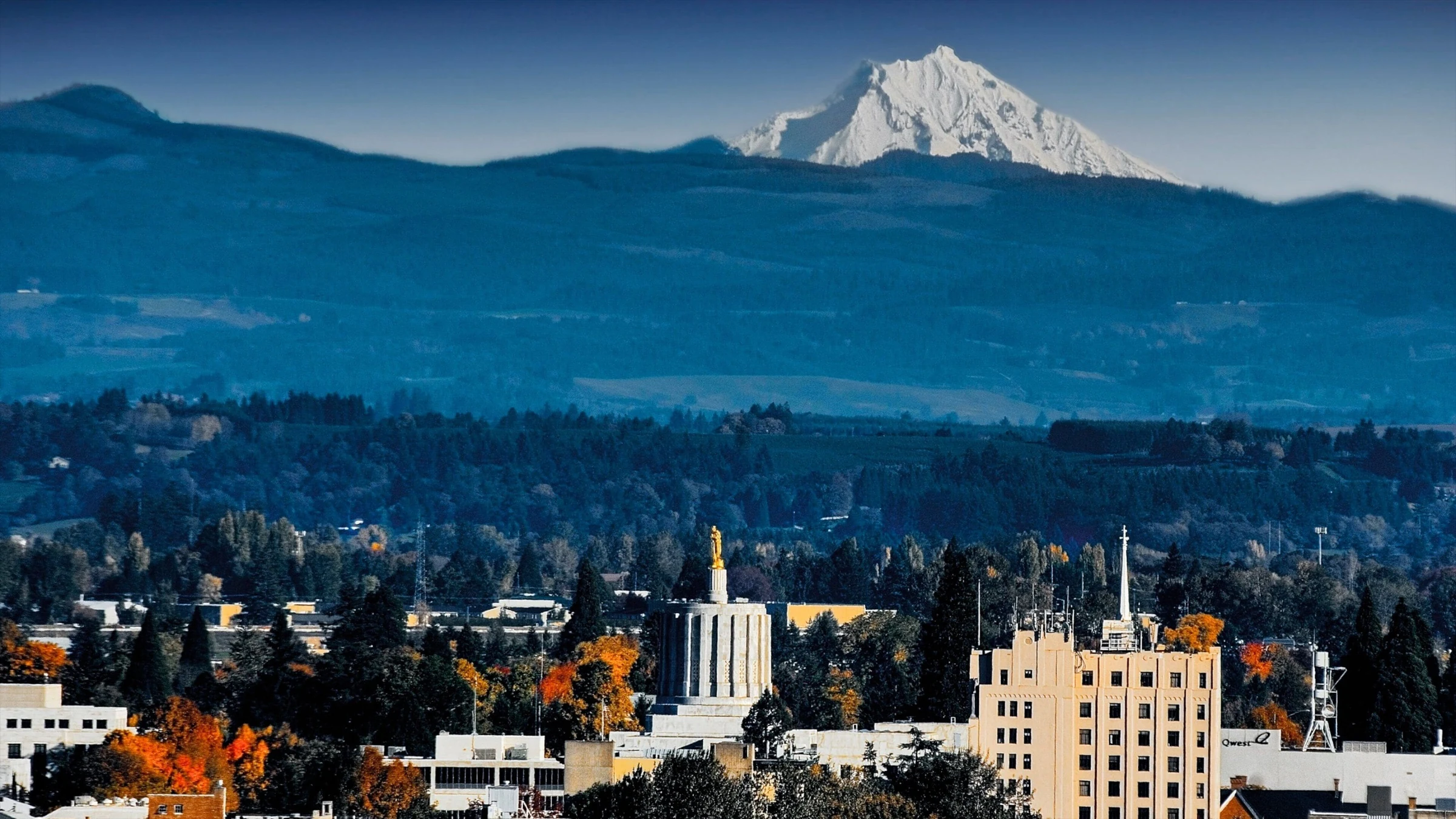
Commercial roofing contractors serving Serving Lyons, OR with commercial roof repair, replacement, coatings, maintenance programs, inspections, and documented roof reports.
Commercial Roofing Assessment Framework
Document
Membrane and seams
Trace
Drainage and water paths
Review
Flashings and penetrations
Compare
Repair, recover, coating, replacement
Plan
Access, staging, weather protection
Protect
Occupants, equipment, and operations
Close Out
Photos, details, records, priorities
Commercial Roofing Contractors Serving Lyons, OR: Roofing Detail
Commercial Roofers in Serving Lyons, OR
A practical commercial roofing plan for Serving Lyons, OR properties separates urgent leak control from repair, coating, maintenance, and replacement decisions supported by photos and condition findings. Lyons sits in the Santiam Canyon along Highway 22, a small timber-area town where commercial buildings serve loggers, mill workers, and the businesses that support them. The canyon setting means more tree cover, more shade, and more organic debris on every roof than you'd find on a Salem-area distribution building, and that changes how we approach maintenance here.
Timber Country Buildings and What Surrounds Them
Commercial structures in Lyons tend to be small: service shops, supply stores, a handful of buildings tied to the timber economy that's defined this canyon for generations. Roofs are practical metal or composition systems on modest buildings, not designed for anything beyond keeping the weather out of a working shop or storefront.
What makes these roofs different from flatland commercial buildings isn't the roof system itself, it's the environment around it. Dense tree canopy means constant shade, slower drying after rain, and a steady supply of needles, leaves, and branches landing on the roof surface.
Shade and Debris Change the Failure Pattern
On a roof that dries out fast between rain events, organic debris is mostly a nuisance. In a shaded canyon setting where a roof section might stay damp for days after a storm passes, that same debris becomes a moisture trap. Needles and leaf litter pack into valleys and against parapet edges, hold water against the roofing material, and accelerate moss growth that works its way under shingle edges or membrane seams.
We factor this into our inspection approach in Lyons specifically, checking for debris accumulation and moss encroachment as seriously as we check for membrane wear, because in this setting the debris often causes the wear.
Standing Water Takes Longer to Clear in the Canyon
Beyond the tree cover, Lyons sits low in the canyon where drainage runoff from surrounding terrain adds to what falls directly on a roof. Gutters and downspouts here have to handle rainfall onto the roof plus a share of the surrounding hillside runoff, and undersized systems show it first at the lowest roof corners and valleys.
We've walked buildings in Lyons where the gutter system was perfectly adequate for the roof's own square footage but never accounted for the water sheeting off the slope behind the building during a hard rain. That extra volume overwhelms the downspouts fast, backs water up under the roof edge, and creates a leak pattern that looks like a roof problem but is really a site drainage problem.
- Moss and needle buildup trapping moisture against roof surfaces in shaded areas
- Clogged valleys and gutters from constant tree debris
- Extended drying time after storms compared to open-canopy locations
- Panel and flashing corrosion accelerated by prolonged surface dampness
- Undersized drainage systems overwhelmed by canyon runoff during heavy rain
What We Recommend for Canyon-Set Buildings
For most Lyons buildings, we push harder on debris management and drainage maintenance than we would on an open-lot commercial building, because that's genuinely where the risk concentrates. A preventive maintenance program that includes debris clearing ahead of the wet season prevents a lot of the moss and moisture damage we otherwise see develop over years.
When repair or recover work is needed, we also look at whether the original drainage design accounts for the surrounding terrain rather than the roof's footprint alone, sometimes the fix includes upsizing gutters in addition to repairing the membrane, since fixing one without the other leaves the underlying problem in place.
We also recommend keeping any overhanging branches trimmed back from the roofline where that's practical, since direct contact between limbs and roofing material accelerates both physical wear and debris accumulation in exactly the spots that are hardest to inspect from the ground.
Working Around Limited Canyon Access
Highway 22 is the main route through this stretch of canyon, and access for equipment or material delivery takes more planning than it would in an open commercial area. We account for that in scheduling and logistics rather than treating every job like it's on a city street.
Winter weather in the canyon can also close or slow sections of Highway 22 that wouldn't affect a valley-floor job at all, and we build that risk into how we schedule tear-off or recover work that needs multiple consecutive dry days to complete properly.
Questions From Lyons Building Owners
Why does my roof stay damp longer than roofs in Salem?
Tree canopy in the canyon blocks sun and airflow, slowing evaporation after rain. That extended dampness is a real factor in how fast moss and membrane wear develop here.
How often does my roof need debris cleared?
We generally recommend clearing valleys and gutters at least twice a year in heavily wooded settings like Lyons, more often if surrounded by conifers that shed needles year-round.
Does moss actually damage the roof or just look bad?
It does real damage. Moss holds moisture against the surface and can work under shingle edges or membrane seams, accelerating material breakdown underneath.
Can you get equipment in for repairs on a canyon-access building?
Yes, we plan logistics around Highway 22 access and the specific site conditions before scheduling work.
Is a metal roof or composition roof better suited to this setting?
Both can work well if maintained properly. The bigger factor is debris and moisture management, which matters more here than the specific roofing material choice, so we spend more time on maintenance planning than on material comparison during an initial consultation.
Assessment Priorities
Membrane condition, seams, flashings, penetrations, drains, scuppers, edge metal, rooftop equipment, traffic patterns, and visible moisture evidence are reviewed together before a repair, coating, recover, or replacement path is recommended.
Planning Around the Facility
Access, staging, noise, odor, delivery windows, weather protection, occupied spaces, interior protection, and daily dry-in procedures are planned for the way the commercial property must continue operating.
From Findings to a Clear Scope
Observed conditions are documented so building owners and facility teams can compare immediate repairs, maintenance priorities, system options, budget timing, and closeout requirements without losing sight of the building below the deck.
Ready to review the roof scope?
Service Areas
1 of 2
Commercial Roofing Contractors Albany, OR
Commercial roofing contractors serving Albany, OR with commercial roof repair.
Commercial Roofing Contractors Keizer, OR
Commercial roofing contractors serving Keizer, OR with commercial roof repair.
Commercial Roofing Contractors Woodburn, OR
Commercial roofing contractors serving Woodburn, OR with commercial roof.
Commercial Roofing Contractors Millersburg, OR
Commercial roofing contractors serving Millersburg, OR with commercial roof.Commercial Roofing Across the Salem Area