Commercial Roofing Contractors Serving Mill City, OR
Service AreasServing Salem and the central Willamette Valley
Request a Roof Assessment
Commercial roofing in Salem, Oregon
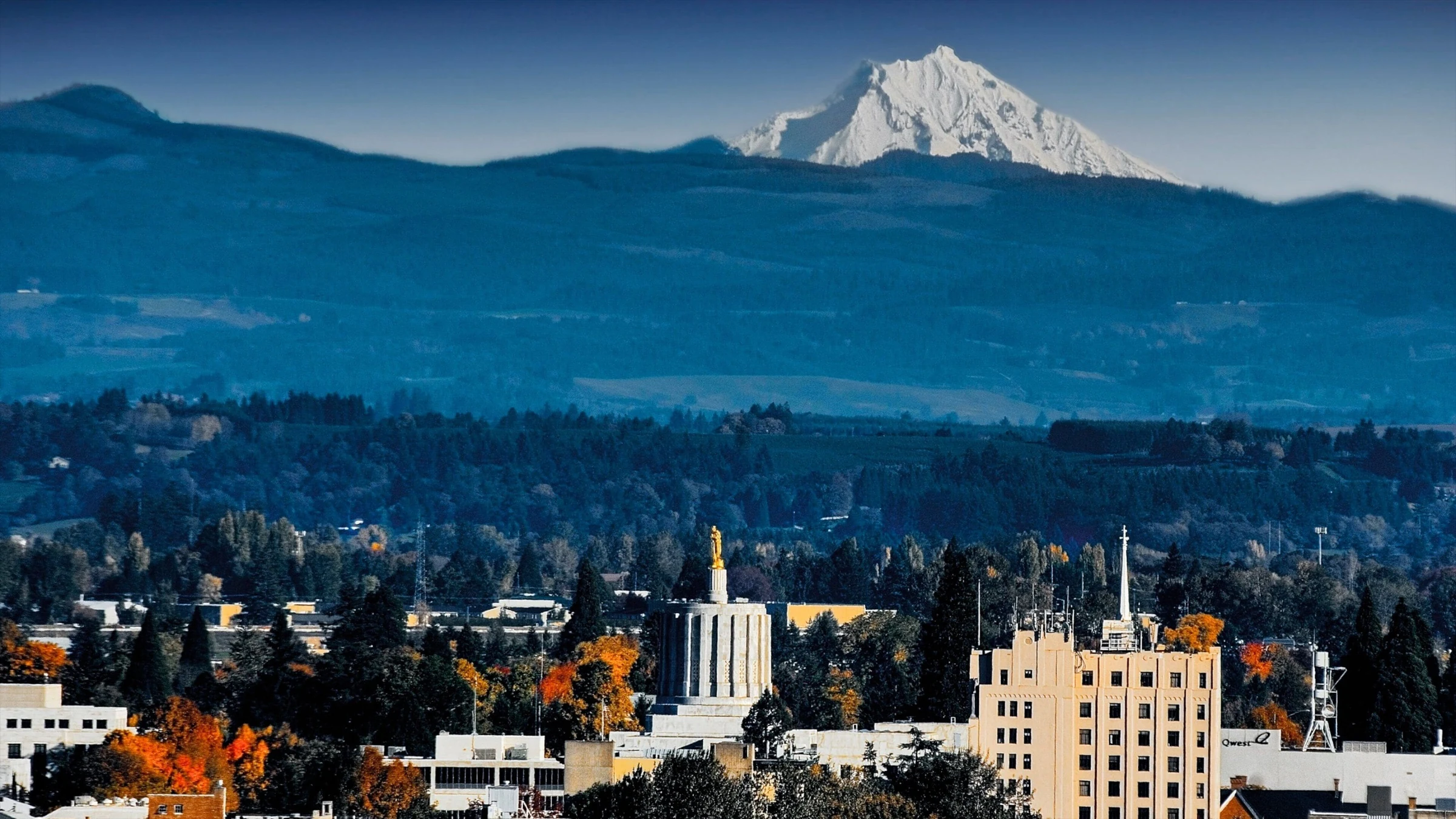
Commercial roofing contractors serving Serving Mill City, OR with commercial roof repair, replacement, coatings, maintenance programs, inspections, and documented roof reports.
Commercial Roofing Assessment Framework
Document
Membrane and seams
Trace
Drainage and water paths
Review
Flashings and penetrations
Compare
Repair, recover, coating, replacement
Plan
Access, staging, weather protection
Protect
Occupants, equipment, and operations
Close Out
Photos, details, records, priorities
Commercial Roofing Contractors Serving Mill City, OR: Roofing Detail
Commercial Roofers in Serving Mill City, OR
Commercial roofing in Serving Mill City, OR should begin with a documented assessment of membrane condition, seams, flashings, drainage, penetrations, and moisture before repair, coating, or replacement is selected. Mill City's name tells you where its commercial identity comes from, and while the timber economy here has changed shape over the decades, the small downtown core and the surrounding service buildings still carry that heritage in how they're built. We work on the modest commercial roofs in this canyon town without treating it like a bigger market than it is.
A Compact Canyon Commercial Core
Mill City's downtown is small, a stretch of storefronts and service buildings along Highway 22 that serve both the town itself and the broader Santiam Canyon community. Roof construction here ranges from older composition roofing on original storefronts to newer metal roofing on more recently built or renovated structures. None of it is complex, but all of it sits in a setting that's harder on roofing than flatland Salem or Keizer.
Being in the canyon means more shade from surrounding terrain and tree cover, slower drying after storms, and a longer effective wet season than buildings just a few miles west toward the valley floor.
Timber-Heritage Buildings and Their Roof Histories
Some of Mill City's commercial buildings date back to the town's active mill years, and roofs on these older structures often carry decades of patchwork repair rather than a single coherent system. We frequently find mixed materials on one roof, an old built-up section here, a newer membrane patch there, each with different failure characteristics that need to be assessed separately rather than treated as one uniform surface.
That kind of roof history means a simple visual check from the ground tells you almost nothing. We walk these roofs section by section to understand what's actually protecting the building underneath.
Ownership changes compound the record-keeping gap. A building that's changed hands two or three times since its mill-era construction rarely comes with a folder of roofing invoices, and the new owner often has no idea whether the last repair was done to code or just stopped a leak temporarily. We treat every mixed-material roof as an unknown until we've inspected it directly, regardless of what a listing or a prior owner claimed.
Canyon Weather Extends the Risk Window
Because Mill City sits low in the Santiam Canyon, moisture lingers here longer than in more open parts of the Willamette Valley. Nine wet months is already the regional norm, but shade and terrain compound that locally, meaning membrane and metal roofing don't get the drying breaks they'd get elsewhere in the market.
- Mixed-material patchwork roofs from decades of incremental repair on older buildings
- Extended surface dampness from canyon shade slowing evaporation after storms
- Moss and debris accumulation compounding moisture retention on older roofs
- Flashing failure at transitions between different roofing materials on the same building
- Gutter systems undersized for combined roof runoff and surrounding terrain drainage
Our Approach to Older, Mixed-System Roofs
For a building with a patchwork roof history, we start by mapping what's actually up there before recommending anything, identifying each material, its condition, and where transitions between sections are most vulnerable. From there we can usually recommend targeted roof leak repair at the weak points rather than a full replacement, if the underlying structure supports it.
When a roof has enough age and enough mixed failure points that patching no longer makes sense, we say so directly and lay out what a full recover or reroofing project would look like for a building this size.
We're also candid about a scenario specific to older mixed-material roofs: sometimes what looks like one leak is actually two or three separate failures happening at different transition points, each requiring its own fix. Bundling those into a single visit and a single clear scope of work saves an owner from paying for repeat service calls that only address one symptom at a time.
Scheduling Around Canyon Weather and Access
We plan larger roofing projects in Mill City around the driest stretch of the year given how much slower this canyon dries out compared to the open valley, and we account for Highway 22 access when scheduling material delivery and crew logistics.
We also coordinate with owners on how long a section of roof can realistically stay open during tear-off, since a sudden canyon rain event can move in faster than the forecast suggests. Staging work in smaller sections rather than opening a whole roof at once reduces that exposure on older mixed-material buildings.
Questions From Mill City Building Owners
My building's roof has different materials in different sections. Is that a problem?
Not necessarily on its own, but the transitions between materials are common failure points that need specific attention. We assess each section and each transition separately.
Why does my roof seem to stay wet longer than roofs I've had elsewhere?
Canyon shade and terrain slow drying time significantly compared to open valley locations, which is a real factor in accelerated wear here.
How do you assess an older building with an unclear roofing history?
We walk the roof section by section, checking material type, seam condition, and flashing details, since ground-level observation doesn't reveal enough on a patchwork roof.
Is repair or full replacement the better call for an old mixed-material roof?
It depends on how much of the deck and structure underneath is still sound. We evaluate that directly before recommending either path.
Do you handle emergency leak response in Mill City?
Yes, we provide tarp and dry-in response for active leaks, accounting for canyon access when scheduling the response.
Assessment Priorities
Membrane condition, seams, flashings, penetrations, drains, scuppers, edge metal, rooftop equipment, traffic patterns, and visible moisture evidence are reviewed together before a repair, coating, recover, or replacement path is recommended.
Planning Around the Facility
Access, staging, noise, odor, delivery windows, weather protection, occupied spaces, interior protection, and daily dry-in procedures are planned for the way the commercial property must continue operating.
From Findings to a Clear Scope
Observed conditions are documented so building owners and facility teams can compare immediate repairs, maintenance priorities, system options, budget timing, and closeout requirements without losing sight of the building below the deck.
Ready to review the roof scope?
Service Areas
1 of 2
Commercial Roofing Contractors Albany, OR
Commercial roofing contractors serving Albany, OR with commercial roof repair.
Commercial Roofing Contractors Keizer, OR
Commercial roofing contractors serving Keizer, OR with commercial roof repair.
Commercial Roofing Contractors Woodburn, OR
Commercial roofing contractors serving Woodburn, OR with commercial roof.
Commercial Roofing Contractors Millersburg, OR
Commercial roofing contractors serving Millersburg, OR with commercial roof.Commercial Roofing Across the Salem Area