
Commercial Roofing Contractors Monmouth, OR
Service AreasServing Salem and the central Willamette Valley
Request a Roof Assessment
Commercial roofing in Salem, Oregon
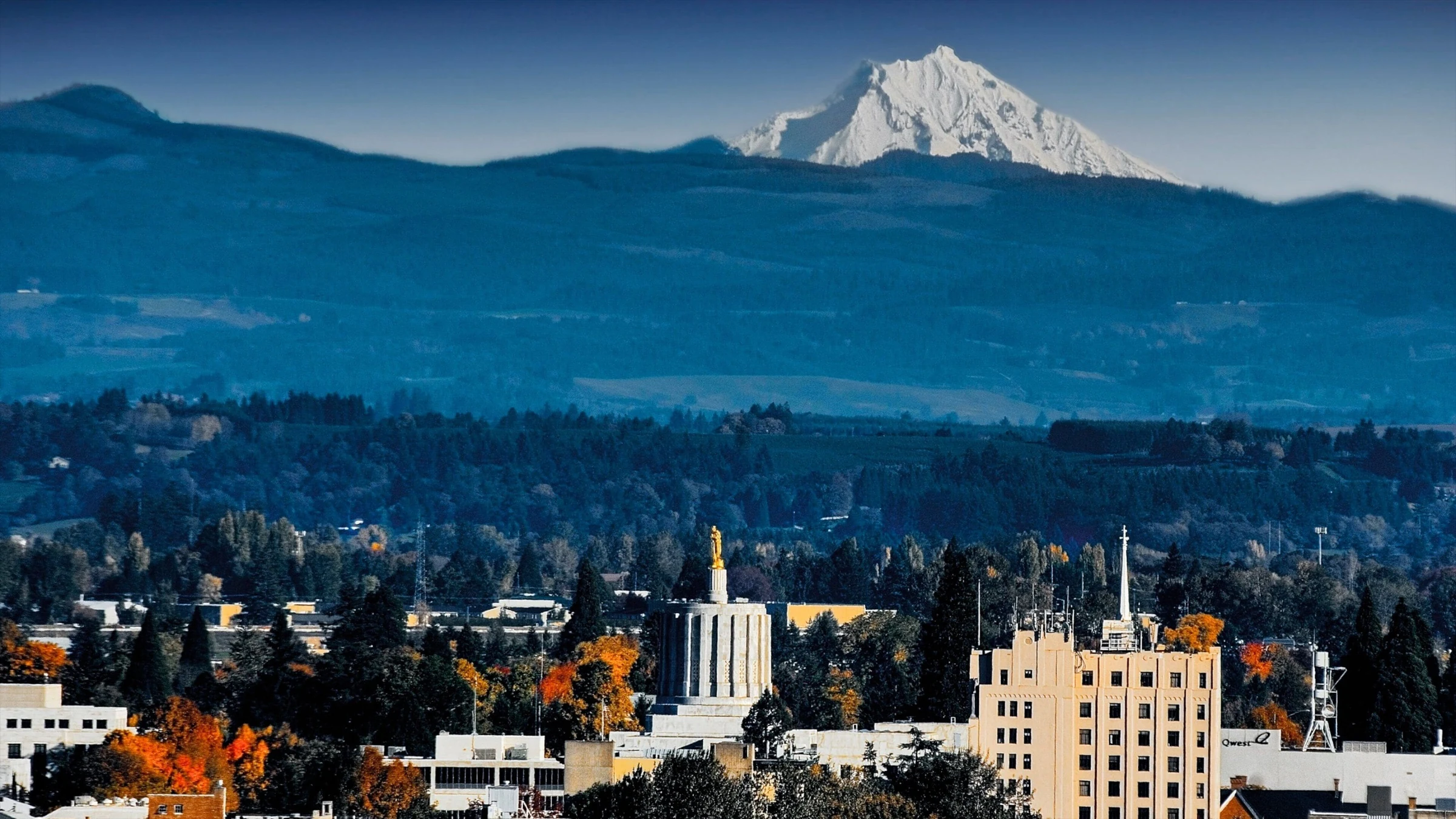
Commercial roofing contractors serving Monmouth, OR with commercial roof repair, replacement, coatings, maintenance programs, inspections, and documented roof reports.
Commercial Roofing Assessment Framework
Document
Membrane and seams
Trace
Drainage and water paths
Review
Flashings and penetrations
Compare
Repair, recover, coating, replacement
Plan
Access, staging, weather protection
Protect
Occupants, equipment, and operations
Close Out
Photos, details, records, priorities
Commercial Roofing Contractors Monmouth, OR: Roofing Detail
Commercial Roofers in Monmouth, OR
A practical commercial roofing plan for Monmouth, OR properties separates urgent leak control from repair, coating, maintenance, and replacement decisions supported by photos and condition findings. Monmouth's commercial roofing is shaped almost entirely by Western Oregon University, the academic and residential buildings on campus, and the small retail and service strip that depends on student and staff traffic just off it. It's a genuinely small market, but the university's own academic calendar drives roofing decisions here more directly than in almost any other town in this metro area.
Academic and Administrative Building Roofs
WOU's campus buildings range from older academic halls to newer construction, and the roofing condition varies as much as the buildings' ages do. Older halls often carry roofing that's been recovered multiple times over decades of state budget cycles, and we see the same deferred-maintenance pattern here that shows up on other public buildings in this market, real need identified years before capital funding actually catches up with the building's condition. That gap is exactly where a small leak turns into a larger structural repair, since the delay isn't a lack of awareness, it's a budget cycle that hasn't caught up to the building's actual condition yet.
We document roof condition on these buildings in a way that helps facilities staff make the case internally for capital funding, since a university roofing decision usually has to compete with a long list of other maintenance priorities across campus.
Residence Hall and Dining Roofs
Dormitory and dining hall roofs on a college campus carry occupancy patterns unlike almost any other commercial building type: packed during the academic year, largely empty over summer break, then a hard reset each fall. That empty summer window is the best access period for roof work on these buildings, and we plan major campus jobs around the academic calendar specifically, coordinating with facilities to hit that window rather than trying to work around a full dorm. Missing that summer window on a dorm roof usually means waiting a full year for the next real opportunity, since a partially occupied building complicates access in ways a fully empty one doesn't.
Dining hall roofs also deal with kitchen exhaust loads similar to what we see at any commercial restaurant, grease-laden venting that needs correctly detailed penetrations to avoid degrading the surrounding membrane faster than normal.
Campus-Adjacent Retail and Service Businesses
The small retail and service strip along Main Street near campus, restaurants, coffee shops, student services, runs on a business cycle tied directly to the academic year rather than a typical retail calendar. Slow summer months here are the equivalent of the dorm's empty period, a natural window for a business owner to schedule roof work without losing revenue during the academic year's steady foot traffic, when the sidewalks and storefronts stay busy from morning classes through evening study sessions.
These buildings tend to be smaller and older than campus construction, and owners here are more often paying for roof work directly out of a small business budget, which puts the same pressure on the patch-versus-replace decision that we see with small operators throughout this market. A coffee shop or bookstore owner near campus generally has less flexibility to absorb a surprise repair bill than a chain retailer with a corporate maintenance budget behind it.
What We Watch For in Monmouth
- Deferred maintenance cycles on older academic buildings awaiting capital funding
- Occupancy-driven access windows at dormitory and dining hall roofs
- Grease exhaust penetration quality at campus dining facilities
- Cash-flow-sensitive roof timing at small campus-adjacent businesses
- Roof condition documentation needed to support university funding requests
The academic calendar is the single biggest scheduling factor in Monmouth, more than weather, more than anything else. We build our project timelines around it first and adjust everything else, including our own crew scheduling, to fit that window.
Valley Rain on a Campus That Doesn't Stop
Monmouth sees the same nine-month wet stretch as the rest of the valley, and campus buildings that sit occupied through the academic year, even when it's raining, don't get the luxury of waiting for a dry season the way a vacant building might. We plan interim protection and staged work for roofs that need attention outside the ideal summer window, so a leak during fall or winter term doesn't have to wait until June to get addressed properly. Temporary protection buys real time without pretending it's a permanent fix, and we're clear with facilities staff about which category any interim work falls into.
Common Questions From Monmouth Facilities Staff and Business Owners
Why do you push to schedule campus roof work in the summer?
Occupancy drops sharply once the academic year ends, giving us the best access window without disrupting students or staff.
Can you help us document roof condition for a university funding request?
Yes, we provide a clear written assessment that facilities staff can use to support internal capital funding decisions.
Do dining hall roofs need different detailing than a regular building roof?
Yes, kitchen exhaust venting needs correctly detailed penetrations, similar to what we'd spec for any commercial restaurant.
What if a leak happens during the school year, not summer?
We provide interim protection and can stage partial repairs during the year, saving the full scope of work for the next access window.
Do small businesses near campus face the same roofing decisions as bigger retailers?
The building types are similar, but owners here are usually paying directly out of a small business budget, which changes how we present the patch-versus-replace tradeoff.
Assessment Priorities
Membrane condition, seams, flashings, penetrations, drains, scuppers, edge metal, rooftop equipment, traffic patterns, and visible moisture evidence are reviewed together before a repair, coating, recover, or replacement path is recommended.
Planning Around the Facility
Access, staging, noise, odor, delivery windows, weather protection, occupied spaces, interior protection, and daily dry-in procedures are planned for the way the commercial property must continue operating.
From Findings to a Clear Scope
Observed conditions are documented so building owners and facility teams can compare immediate repairs, maintenance priorities, system options, budget timing, and closeout requirements without losing sight of the building below the deck.
Ready to review the roof scope?
Service Areas
1 of 2
Commercial Roofing Contractors Albany, OR
Commercial roofing contractors serving Albany, OR with commercial roof repair.
Commercial Roofing Contractors Keizer, OR
Commercial roofing contractors serving Keizer, OR with commercial roof repair.
Commercial Roofing Contractors Woodburn, OR
Commercial roofing contractors serving Woodburn, OR with commercial roof.
Commercial Roofing Contractors Millersburg, OR
Commercial roofing contractors serving Millersburg, OR with commercial roof.Commercial Roofing Across the Salem Area