Commercial Roofing Contractors Serving Rickreall, OR
Service AreasServing Salem and the central Willamette Valley
Request a Roof Assessment
Commercial roofing in Salem, Oregon
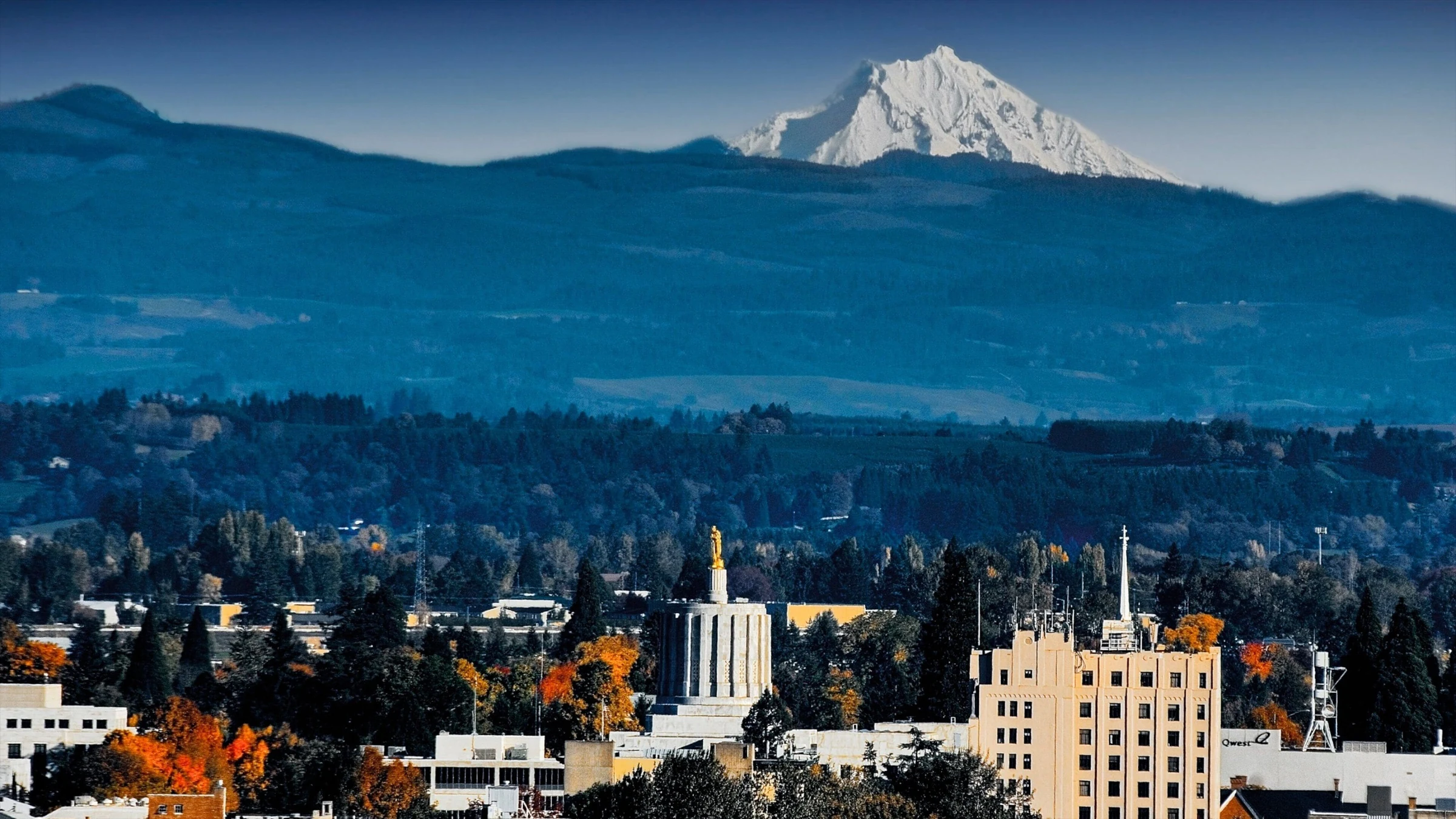
Commercial roofing contractors serving Serving Rickreall, OR with commercial roof repair, replacement, coatings, maintenance programs, inspections, and documented roof reports.
Commercial Roofing Assessment Framework
Document
Membrane and seams
Trace
Drainage and water paths
Review
Flashings and penetrations
Compare
Repair, recover, coating, replacement
Plan
Access, staging, weather protection
Protect
Occupants, equipment, and operations
Close Out
Photos, details, records, priorities
Commercial Roofing Contractors Serving Rickreall, OR: Roofing Detail
Commercial Roofers in Serving Rickreall, OR
A practical commercial roofing plan for Serving Rickreall, OR properties separates urgent leak control from repair, coating, maintenance, and replacement decisions supported by photos and condition findings. Rickreall sits right where Highway 99W meets Highway 22, and the roof stock reflects that crossroads function: fairgrounds buildings, ag warehousing, and large-span metal structures built for storage and events rather than daily foot traffic. We've worked on the kind of long-span, low-slope roofs this area depends on, and drainage over that much surface area is the whole game.
Fairgrounds Buildings Are a Different Roof Problem
The Polk County Fairgrounds anchors a lot of Rickreall's built environment, and exhibition or event buildings are a specific animal. They're often long-span metal or built-up roofs designed to cover wide open interiors with minimal support columns, which means the roof structure itself has to manage a lot of water movement across a big deck with fewer natural high points to shed from.
Buildings like this see uneven use, packed during fair season, empty most of the rest of the year, which means leaks can sit undetected for weeks between events. We build inspection timing around that usage pattern rather than assuming someone's inside checking the ceiling every week.
The scale of these buildings also changes how we sequence repair work. A leak on a small storefront roof might be a single afternoon's job. A leak on a fairgrounds exhibition hall roof means tracing a water path across a much larger deck, sometimes finding that the entry point is fifty feet from where the stain shows up inside, because water traveled along a purlin or a seam before finding a way through the ceiling assembly.
Ag Warehousing at the Highway Junction
Being at a junction of two highways makes Rickreall a natural spot for ag storage and distribution buildings serving the surrounding farmland. These are typically metal-clad structures on slab, built for cheap wide coverage rather than architectural finish, with roof systems that trade complexity for economy, until a seam starts failing and the economy math changes fast.
We look closely at panel seam condition, penetration flashing around vents and fans, and whether the roof's drainage design still matches what's actually happening on the ground, especially where buildings have been expanded or connected over time.
Connected buildings are common in this corridor, where an operation adds a second or third bay to an existing warehouse rather than building fresh. Each connection point between roof sections is a seam that has to be detailed correctly, and we've found more than one leak here traced directly to where two roof systems meet and the transition flashing was never properly integrated.
Long-Span Roofs Need a Different Drainage Read
On a smaller commercial building, drainage problems tend to be localized, one bad valley, one clogged scupper. On a long-span warehouse or exhibition roof, water has a lot more distance to travel before it reaches an edge or a drain, which means low spots that seem minor can hold standing water for days after Willamette Valley rain moves through.
- Ponding across wide low-slope sections of long-span metal or membrane roofs
- Seam and fastener failure on ag-warehouse metal panel systems
- Undetected leaks in seasonally-used fairgrounds and exhibition buildings
- Flashing failure around roof-mounted ventilation and exhaust fans
- Gutter and downspout capacity mismatched to expanded roof footprints
What We Recommend for Seasonal-Use Buildings
For buildings that see heavy use during a short season, we push toward proactive scheduling rather than reactive repair. A commercial roof inspection timed before fair season and again before the wet months set in catches problems while they're still a repair, not a full section replacement.
For roofs nearing the end of a serviceable lifespan, we'll walk owners through whether a targeted recover makes sense on a long-span structure or whether the drainage design itself needs to change during the work, sometimes the original roof geometry is part of the problem.
We're also candid about cost scaling on a building this size. A recover across a long-span roof involves more material and more crew days than a comparable job on a small commercial building, and we lay that math out clearly during the estimate so there's no surprise once work is underway.
Coordinating Work Around Event Calendars
Fairgrounds and exhibition-adjacent buildings run on an event schedule, not a typical business week. We plan tear-off, recover, or major repair work for the gaps in that calendar, and we keep tarp-and-dry-in response available if a leak surfaces during an active event window when full repair has to wait.
Questions From Rickreall Building Owners
How do you inspect a roof on a building that's only used part of the year?
We recommend inspections timed to bracket the usage season, before it starts and after the wet months hit, so ceiling damage or membrane failure doesn't sit unnoticed for months.
Why does my long-span metal roof pond water in certain spots?
Wide roof decks often have subtle low points built into the original structure. Over time, panel deflection or added rooftop equipment can make these worse, and we map them during inspection.
Can you work around fairgrounds and event schedules?
Yes, we plan major work around the off-season and keep emergency response available if something surfaces during an active event period.
What's the biggest risk for ag warehouse roofs out here?
Seam and fastener failure on metal panel systems, usually from age and repeated wet-dry cycling, letting water track into the building at panel laps.
Do you handle documentation if storm damage affects an insurance claim?
We provide factual written and photo documentation of roof conditions for your insurance process. We don't guarantee claim outcomes, only accurate records.
Assessment Priorities
Membrane condition, seams, flashings, penetrations, drains, scuppers, edge metal, rooftop equipment, traffic patterns, and visible moisture evidence are reviewed together before a repair, coating, recover, or replacement path is recommended.
Planning Around the Facility
Access, staging, noise, odor, delivery windows, weather protection, occupied spaces, interior protection, and daily dry-in procedures are planned for the way the commercial property must continue operating.
From Findings to a Clear Scope
Observed conditions are documented so building owners and facility teams can compare immediate repairs, maintenance priorities, system options, budget timing, and closeout requirements without losing sight of the building below the deck.
Ready to review the roof scope?
Service Areas
1 of 2
Commercial Roofing Contractors Albany, OR
Commercial roofing contractors serving Albany, OR with commercial roof repair.
Commercial Roofing Contractors Keizer, OR
Commercial roofing contractors serving Keizer, OR with commercial roof repair.
Commercial Roofing Contractors Woodburn, OR
Commercial roofing contractors serving Woodburn, OR with commercial roof.
Commercial Roofing Contractors Millersburg, OR
Commercial roofing contractors serving Millersburg, OR with commercial roof.Commercial Roofing Across the Salem Area