
Commercial Roofing Contractors Serving St. Paul, OR
Service AreasServing Salem and the central Willamette Valley
Request a Roof Assessment
Commercial roofing in Salem, Oregon
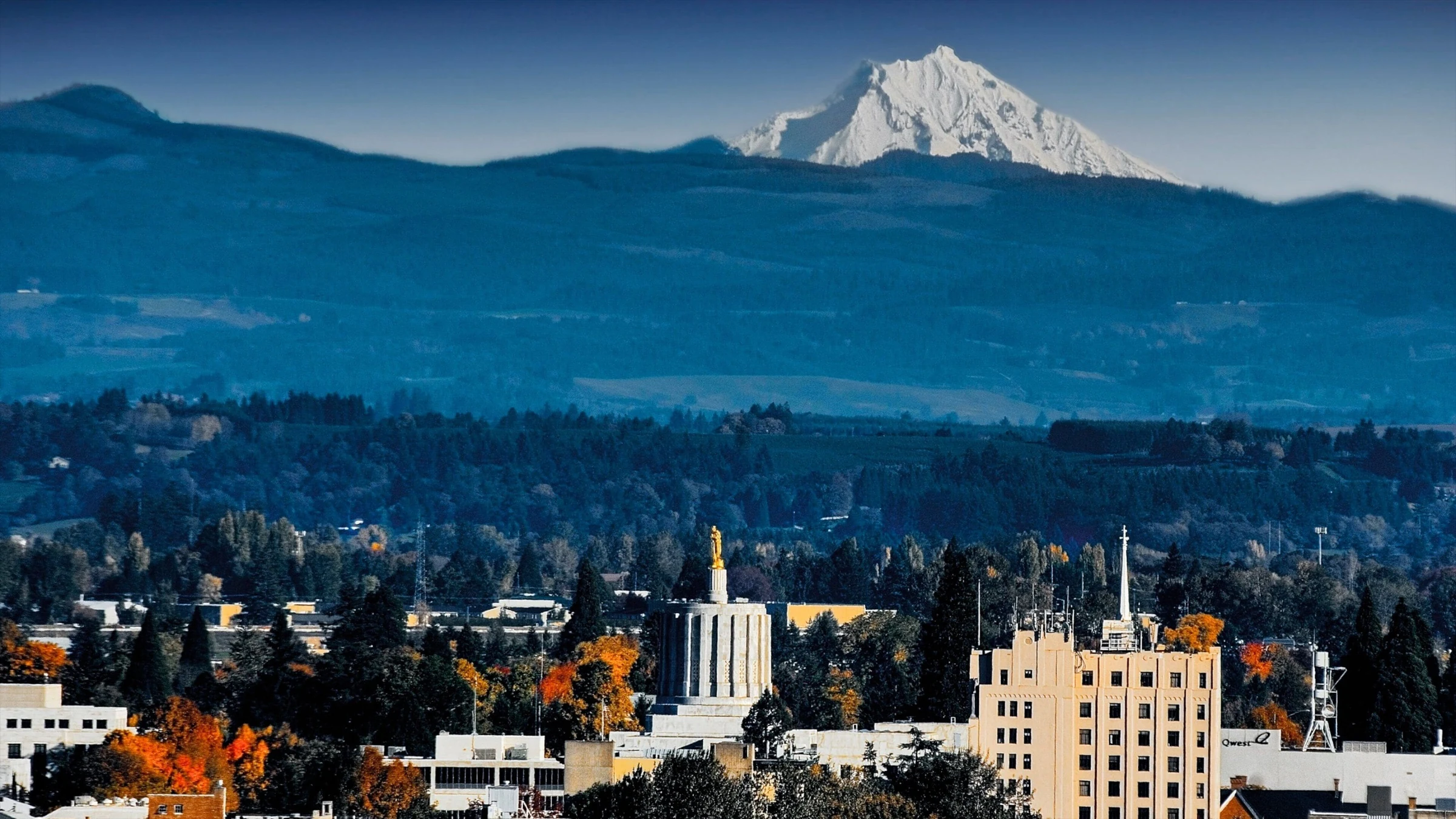
Commercial roofing contractors serving Serving St. Paul, OR with commercial roof repair, replacement, coatings, maintenance programs, inspections, and documented roof reports.
Commercial Roofing Assessment Framework
Document
Membrane and seams
Trace
Drainage and water paths
Review
Flashings and penetrations
Compare
Repair, recover, coating, replacement
Plan
Access, staging, weather protection
Protect
Occupants, equipment, and operations
Close Out
Photos, details, records, priorities
Commercial Roofing Contractors Serving St. Paul, OR: Roofing Detail
Commercial Roofers in Serving St. Paul, OR
Commercial roofing in Serving St. Paul, OR should begin with a documented assessment of membrane condition, seams, flashings, drainage, penetrations, and moisture before repair, coating, or replacement is selected. St. Paul is a farming community best known outside the area for its rodeo grounds, and the commercial roof stock here reflects an agricultural economy first and everything else second. We work on the arena buildings, grandstand structures, and rural ag facilities that make up most of what needs a roofing contractor in this town, and we don't dress it up as more than it is.
Rodeo Grounds and Event Structures Have Unusual Roof Demands
Grandstand coverings, arena roofs, and event support buildings around the St. Paul Rodeo grounds are used intensely for a short window each year and largely dormant the rest of the time. That pattern means roof damage from winter storms can go unnoticed for months if nobody's specifically checking these structures during the off-season, and then surfaces right before the one week a year when the buildings need to perform.
We recommend inspection timing that gets ahead of that calendar, checking these roofs well before event season, not scrambling the week before, when there's no time left to do anything but a temporary patch.
Grandstand roofs also carry a structural wrinkle that flat commercial roofs don't: the covering is often built over open seating rather than a solid deck, which means a failed seam or a missing fastener doesn't just risk interior damage, it risks water dropping directly onto people during an event. We treat any deficiency on these structures as a priority item, not something to schedule for later.
Rural Ag Buildings Are the Rest of the Story
Outside the rodeo grounds, St. Paul's commercial roof needs are mostly ag-support buildings, equipment storage, processing sheds, small ag-business offices, built as simple metal structures without much architectural complexity. These roofs are functional first, and owners generally want straightforward answers about what's failing and what it costs to fix, not a sales pitch.
Metal roofs on ag buildings in this climate show predictable wear: fastener backout from thermal cycling, sealant failure at panel laps, and rust starting at any point where the protective coating has worn through from foot traffic or equipment contact.
Storage buildings holding equipment or product add a cost dimension beyond the roof itself. A slow leak over a hay barn or an equipment shed can ruin stored inventory long before the roof damage looks serious from the outside, which is why we push owners to weigh what's stored underneath the roof, alongside the roof condition itself, when deciding how urgently to act.
What Nine Wet Months Does to a Seasonal-Use Roof
A roof that only gets attention once a year is exactly the kind of roof that suffers most in the Willamette Valley's long wet season. Water doesn't need a big storm to cause damage here, it needs time, and a roof that sits unchecked from October through the following summer gives moisture plenty of it.
- Storm damage on grandstand or arena coverings discovered late, right before event season
- Fastener backout and panel lap sealant failure on ag-building metal roofs
- Rust initiation at worn coating points from equipment traffic or foot travel
- Ponding around low-slope transitions on flat sections of ag storage buildings
- Gutter and downspout blockage from surrounding farmland debris
Practical Recommendations for Working Ag Buildings
For most St. Paul roofs, we start with a straightforward inspection and repair conversation rather than proposing full replacement. A commercial roof inspection ahead of the wet season catches fastener and seam issues while they're still a maintenance item, not a leak that's already damaged stored equipment or product below.
When a metal roof has genuinely reached the point of diminishing returns on repair, we'll say so and lay out recover or replacement options sized to a working ag operation's budget, not a corporate capital plan.
Scheduling Around Farm and Event Calendars
We plan roof work around planting, harvest, and event seasons rather than assuming a building is available whenever it's convenient for us. That means tear-off or major repair work often happens in the shoulder seasons when both weather and building use allow it.
We stay in touch with owners about when their buildings sit empty versus when equipment or livestock are actively inside, since access needs and safety precautions differ a lot between the two. A shed that's holding hay bales gets scheduled differently than one that's fully cleared for a season.
Questions From St. Paul Building Owners
How often should rodeo grounds structures get roof inspections?
At minimum once ahead of event season, ideally with a second check after winter storms pass, since these structures often sit unused and unchecked for months.
What's the most common failure point on ag building metal roofs here?
Fastener and sealant failure at panel laps from repeated thermal cycling, which lets water track underneath the panels over time.
Can you fix a roof problem quickly before an event?
We can do emergency tarp and temporary repair work if damage surfaces close to an event date, though we always recommend catching issues earlier with scheduled inspection.
Is a metal roof recover an option for ag storage buildings?
Often yes, if the structural panels and fasteners are still sound. We assess that on site before recommending recover versus full replacement.
Do you work around farm operating schedules?
Yes, we plan major roof work around planting and harvest windows so it doesn't interfere with active farm use of the building.
Assessment Priorities
Membrane condition, seams, flashings, penetrations, drains, scuppers, edge metal, rooftop equipment, traffic patterns, and visible moisture evidence are reviewed together before a repair, coating, recover, or replacement path is recommended.
Planning Around the Facility
Access, staging, noise, odor, delivery windows, weather protection, occupied spaces, interior protection, and daily dry-in procedures are planned for the way the commercial property must continue operating.
From Findings to a Clear Scope
Observed conditions are documented so building owners and facility teams can compare immediate repairs, maintenance priorities, system options, budget timing, and closeout requirements without losing sight of the building below the deck.
Ready to review the roof scope?
Service Areas
1 of 2
Commercial Roofing Contractors Albany, OR
Commercial roofing contractors serving Albany, OR with commercial roof repair.
Commercial Roofing Contractors Keizer, OR
Commercial roofing contractors serving Keizer, OR with commercial roof repair.
Commercial Roofing Contractors Woodburn, OR
Commercial roofing contractors serving Woodburn, OR with commercial roof.
Commercial Roofing Contractors Millersburg, OR
Commercial roofing contractors serving Millersburg, OR with commercial roof.Commercial Roofing Across the Salem Area