
Commercial Roofing Contractors Serving Sublimity, OR
Service AreasServing Salem and the central Willamette Valley
Request a Roof Assessment
Commercial roofing in Salem, Oregon
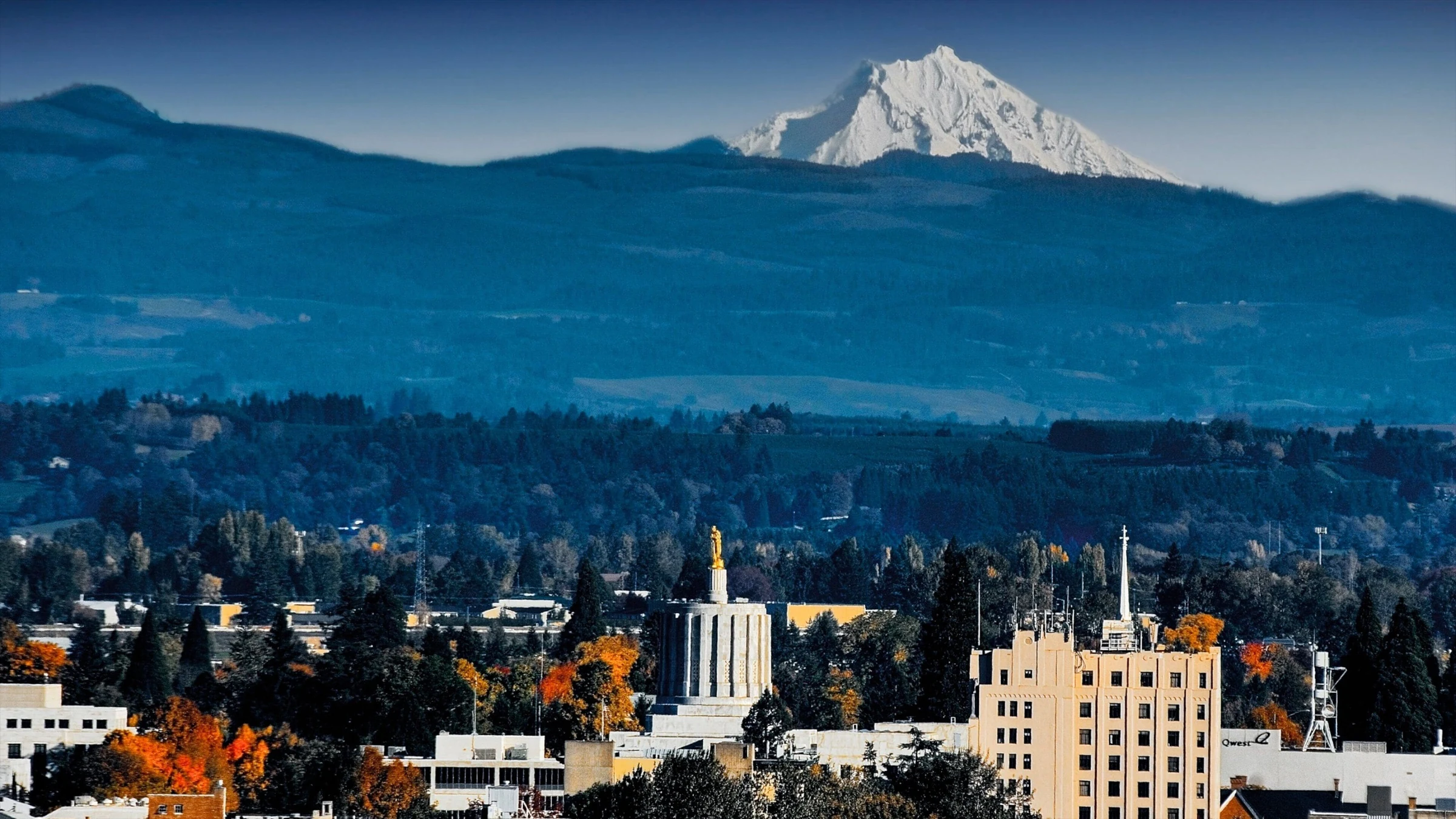
Commercial roofing contractors serving Serving Sublimity, OR with commercial roof repair, replacement, coatings, maintenance programs, inspections, and documented roof reports.
Commercial Roofing Assessment Framework
Document
Membrane and seams
Trace
Drainage and water paths
Review
Flashings and penetrations
Compare
Repair, recover, coating, replacement
Plan
Access, staging, weather protection
Protect
Occupants, equipment, and operations
Close Out
Photos, details, records, priorities
Commercial Roofing Contractors Serving Sublimity, OR: Roofing Detail
Commercial Roofers in Serving Sublimity, OR
Commercial roofers serving Serving Sublimity, OR should document leak sources, wet insulation, drainage, edge details, penetrations, and repair history before recommending a scope. Sublimity is a bedroom community off Highway 22, and its commercial roof stock matches that description: a small core of retail and service buildings, a few older storefronts, and light commercial construction that mostly serves the town itself rather than outside traffic. We size our approach here to that reality instead of treating it like a bigger market than it is.
A Small, Real Commercial Core
Sublimity doesn't have an industrial park or a distribution corridor. What it has is a compact main street with a handful of retail buildings, some professional offices, and service businesses that residents drive to instead of going into Salem. Roofs on these buildings tend to be older asphalt built-up systems on the original storefronts, with newer additions using single-ply membrane or standing seam metal where buildings have been updated.
Because the commercial footprint is small, individual roof problems get noticed fast, there aren't rows of similar buildings to compare against, and a leak in a storefront awning or a stained ceiling tile in a small office gets a call from the owner within days.
That fast feedback loop cuts both ways. It means small problems get caught early more often than on a sprawling commercial complex, but it also means an owner without a roofing background has to make a decision quickly, usually with limited information about what they're actually looking at. Our first job on most Sublimity calls is simply explaining what's happening on the roof in plain terms before talking about cost.
Older Storefront Roofs and Deferred Maintenance
A number of the buildings along Sublimity's main commercial stretch have roofs that have outlived multiple ownership changes, and maintenance records often don't travel with the sale. We frequently start with a condition assessment that establishes what's actually up there, membrane type, age indicators, flashing condition, before recommending anything, because owners inheriting these buildings often don't know what roof system they have.
On older built-up roofs especially, the failure pattern in this climate is gradual: alligatoring and cracking in the surfacing, followed by moisture tracking into the felt layers at seams and penetrations, well before an obvious leak shows up inside.
Why Nine Wet Months Hits Small Roofs Hard
A small commercial roof doesn't get the maintenance attention a larger complex does, there's no facilities staff walking it regularly. In the Willamette Valley's long wet season, that gap matters. Water finds the weak points on any roof, but on a small storefront roof with limited drainage design, a single clogged scupper or a failed pipe boot can cause disproportionate damage relative to the roof's size.
- Alligatoring and surface cracking on aging built-up roof membranes
- Undocumented roof age and system type on buildings with unclear maintenance history
- Clogged internal or edge drains on small storefront roofs
- Flashing failure at parapet walls on older downtown construction
- Moss and organic growth holding moisture against membrane in shaded sections
What Makes Sense for a Small Building Owner
For a lot of Sublimity's building owners, a full tear-off isn't the right first move, a targeted repair or a roof recover over a sound deck can extend service life at a fraction of the cost, and we'll recommend that when the underlying structure supports it. When a roof is genuinely past that point, we say so directly rather than proposing a patch that won't hold.
We also flag when a small building's drainage design is itself the underlying problem rather than the membrane condition alone, sometimes the fix isn't a new roof, it's better water management on the existing one.
Cost matters more here than on a larger commercial property, since a small storefront owner is often paying for roof work directly out of a modest business's operating budget rather than through a property management reserve fund. We factor that into how we sequence recommendations, tackling the most urgent failure points first and phasing the rest where that's a realistic option.
Working on a Main Street Schedule
Commercial buildings in a small downtown core don't shut down for roof work. We plan repair and recover projects to keep storefronts operating, scheduling around business hours and coordinating access so customers and tenants aren't disrupted.
Parking and street access on a small main street also factor into how we stage material and equipment. There's rarely a large lot to work from, so we plan delivery timing and staging locations in advance rather than showing up and figuring it out on site, which keeps disruption to neighboring businesses to a minimum as well.
Questions From Sublimity Building Owners
How do I find out what roof system is on my building if there are no records?
We assess membrane type, seam construction, and wear patterns during an on-site inspection, which usually tells us enough to determine age range and condition without needing prior documentation.
Is a recover a realistic option for an older storefront roof?
Often yes, if the deck and insulation are still structurally sound. We evaluate that during inspection before recommending recover over full replacement.
What causes moss buildup on my roof and does it matter?
Shaded, slow-draining areas collect organic growth that holds moisture against the membrane far longer than open sun-exposed sections, accelerating wear underneath.
Can you work on my building without closing my storefront?
Yes, most small commercial repair and recover work here is sequenced around business hours with minimal disruption to customer access.
How urgent is a small leak in a storefront ceiling?
Small leaks on small roofs escalate faster than people expect because there's less redundancy in the drainage design. We recommend addressing them promptly rather than waiting.
Assessment Priorities
Membrane condition, seams, flashings, penetrations, drains, scuppers, edge metal, rooftop equipment, traffic patterns, and visible moisture evidence are reviewed together before a repair, coating, recover, or replacement path is recommended.
Planning Around the Facility
Access, staging, noise, odor, delivery windows, weather protection, occupied spaces, interior protection, and daily dry-in procedures are planned for the way the commercial property must continue operating.
From Findings to a Clear Scope
Observed conditions are documented so building owners and facility teams can compare immediate repairs, maintenance priorities, system options, budget timing, and closeout requirements without losing sight of the building below the deck.
Ready to review the roof scope?
Service Areas
1 of 2
Commercial Roofing Contractors Albany, OR
Commercial roofing contractors serving Albany, OR with commercial roof repair.
Commercial Roofing Contractors Keizer, OR
Commercial roofing contractors serving Keizer, OR with commercial roof repair.
Commercial Roofing Contractors Woodburn, OR
Commercial roofing contractors serving Woodburn, OR with commercial roof.
Commercial Roofing Contractors Millersburg, OR
Commercial roofing contractors serving Millersburg, OR with commercial roof.Commercial Roofing Across the Salem Area